Turning Your Old Car into Cash: A Complete Guide
Learn how to maximize value when selling your non-functional vehicle to salvage yards

If you have a vehicle that no longer serves your transportation needs, selling it to a salvage operation can provide quick cash and free up valuable space on your property. Whether your car is damaged, non-functional, or simply outdated, there’s a market for vehicles in virtually any condition. Understanding the process, requirements, and strategies involved in this transaction will help you navigate the sale smoothly and maximize your return.
Understanding Your Starting Point: Documentation Essentials
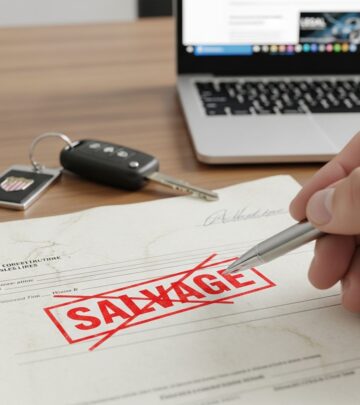
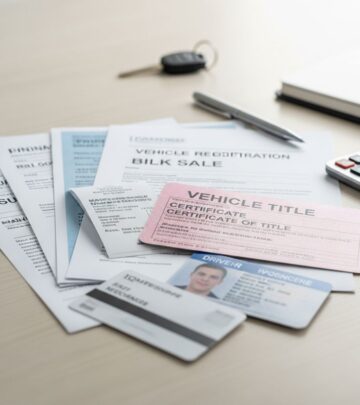
Before you can initiate any sale of your vehicle, you need to establish proof of ownership. The most important document you’ll require is your vehicle’s title, which serves as legal documentation that you have the right to sell the car. This certificate of title is what transfers ownership from you to the buyer or junkyard.
If you’ve misplaced your title, don’t worry—you can obtain a replacement by contacting your state’s Department of Motor Vehicles (DMV). The process varies by state, with some offering electronic copies that can be printed immediately, while others still mail physical titles that may take several weeks to arrive. Some states even allow a holding period of up to 30 days before you can legally sell the vehicle after receiving a replacement title.
It’s also critical to check whether your vehicle has an outstanding loan or lien against it. If a lender holds a lien, you’ll need to settle that debt before you can transfer clear ownership to the buyer. Contact your lender to understand the payoff amount and whether they’ll release the title once the loan is satisfied.
Determining Your Vehicle’s Salvage Value
The amount you’ll receive for your vehicle depends on several interconnected factors that salvage operations evaluate before making an offer:
- Make, model, and year: Certain vehicle makes and models have higher demand in the salvage and parts markets. More recent vehicles typically command higher prices than older models.
- Overall condition: A vehicle with minimal damage will fetch significantly more than one that has been severely damaged in an accident, flood, or fire.
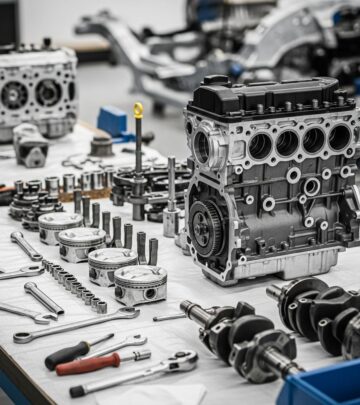
- Engine and transmission functionality: Operational engines and transmissions are valuable components that can be resold or refurbished, substantially increasing your vehicle’s worth.
- Missing components: If your car is missing major parts like the catalytic converter, alternator, or other valuable metals and components, this will reduce the final offer.
- Location: Your geographic location affects the final price, particularly if towing is required to transport the vehicle to the salvage yard.
Strategic Shopping and Price Negotiation
One of the most important steps in selling your vehicle is obtaining multiple quotes before accepting any offer. Just as you would when purchasing a car, research several salvage yards in your area and call for preliminary estimates. Provide potential buyers with accurate information about your vehicle’s make, model, condition, and any damage it has sustained.
While initial offers from salvage yards are typically close to their final price, there’s often room for negotiation. If your vehicle is still drivable, you might offer to deliver it yourself rather than requiring a tow service—this can sometimes justify a higher price. Additionally, if you have valuable aftermarket parts installed, mention them during negotiations, as some yards may account for this in their offer.
Maximizing Returns Through Parts Sales
Before surrendering your entire vehicle to a salvage yard, consider whether selling individual components separately might yield better returns. Aftermarket parts like custom wheels, upgraded stereo systems, GPS units, or performance modifications can have significant standalone value.
Research the market value of any notable customizations or high-demand parts. You might discover that selling five or six components individually for $100 each generates more revenue than the entire vehicle would fetch at a junkyard. List these items on online marketplaces, local classified advertising platforms, or specialized automotive forums to reach buyers interested in specific upgrades.
Preparing Your Vehicle for Transfer
Once you’ve accepted an offer and arranged the sale, take time to properly prepare your vehicle for pickup or delivery. Remove all personal belongings from the interior, including any items in the trunk, glove compartment, or under the seats. It’s easy to forget small items when surrendering a vehicle, so conduct a thorough search.
You should also remove any aftermarket parts you’ve decided to sell separately. Additionally, remove your license plate and any electronic toll payment devices (like EZ-Pass or similar transponders) from the vehicle. These items are yours to keep and should not be left in the car.
Arranging Transportation and Logistics
Most established salvage yards provide free towing or pickup services as part of the sale transaction. When reviewing offers, confirm that pickup and delivery services are included in the quoted price—you should never pay extra for towing services. If you must transport the vehicle yourself, ensure the salvage yard knows this and factor transportation costs into your decision-making.
If your vehicle is still mechanically functional and has valid insurance coverage, some salvage yards may request that you drive it to their location. This can be presented as a negotiating point to potentially increase your offer, since it eliminates their towing expense. However, never drive an uninsured or unsafe vehicle to complete the sale.
Before the tow truck arrives at your property, clear any obstacles that might prevent the driver from accessing the vehicle easily. Move other cars, landscaping, or debris out of the way so the tow operator can reach your car and load it without delay or difficulty.
Handling the Sale Without a Title
In some situations—particularly with older project vehicles or cars where documentation was lost—you may not be able to obtain a traditional title. Many states offer alternative documentation solutions for these scenarios.
Some states issue bills of sale for vehicles older than a certain age (often 15 years or older), allowing ownership transfer without a formal certificate of title. Online templates are available if your state doesn’t provide official bill of sale forms. You’ll need to provide proof of ownership through other means, such as registration documents, purchase receipts, or insurance documentation.
If your state allows it, you may also pursue a transfer of ownership process, which typically requires a legitimate vehicle inspection and proper application to the DMV. For older vehicles, some states, like Vermont, allow registration with only a bill of sale and payment of required fees, providing an alternative pathway when a title cannot be obtained.
Be transparent with potential salvage yard buyers if you cannot provide a title. Reputable salvage operations understand that not all vehicles have complete documentation, and many will still purchase vehicles with alternative proof of ownership.
Legal Requirements and State Reporting
After you’ve completed the sale, you have legal obligations that vary by state. Most states require you to notify the DMV or the appropriate state authority that you’ve sold the vehicle. This notification protects you from potential liability if anything happens to the vehicle after the sale, and it may also protect you from unexpected tax or fee assessments.
Check your state’s specific requirements regarding reporting deadlines—some states have strict timeframes for this notification. As soon as you sign the bill of sale or transfer document, contact your state’s DMV to record the transaction. Keep copies of all documentation related to the sale, including the sale agreement, bill of sale, and any correspondence with the salvage yard.
Understanding Different Selling Channels
While salvage yards are the most common destination for junk cars, you have other options depending on your vehicle’s condition and your personal circumstances:
| Selling Option | Best For | Advantages | Disadvantages |
|---|---|---|---|
| Salvage/Junk Yards | Non-running, severely damaged vehicles | Free towing, quick payment, simple process | Lower offers, bulk pricing |
| Online Cash Offers | Vehicles in decent condition | Competitive bidding, convenience | May require vehicle inspection |
| Private Sale | Vehicles still mechanically sound | Higher profits, direct negotiation | More time-intensive, liability concerns |
| Salvage Dealers | Vehicles with valuable components | Recognition of valuable parts, fair assessment | May require appointment scheduling |
Frequently Asked Questions About Selling Junk Cars
What if my car title has a lien on it?
Contact your lender for the payoff amount. Once you’ve paid off the loan, request that they release the title. You cannot legally sell the vehicle until the lien is satisfied and released.
How long does the sale process typically take?
Most sales can be completed within 24-48 hours of accepting an offer. The salvage yard will arrange towing at a time convenient for you, and payment is typically provided upon vehicle pickup.
Should I remove my license plate before the sale is finalized?
Yes, remove your license plate and any toll transponders before the vehicle is picked up. These items belong to you and must not remain with the car.
Can I sell a vehicle with an expired registration?
Yes. Salvage yards purchase vehicles regardless of registration status. However, ensure you complete all required state reporting after the sale.
What happens if I can’t find my vehicle’s title?
Contact your state’s DMV to request a replacement title. Processing times vary, but many states offer expedited electronic copies. Some salvage yards will work with you using alternative proof of ownership like registration documents.
Final Thoughts on Your Vehicle Sale
Selling a junk car doesn’t need to be a complicated or stressful experience when you understand the essential steps and prepare accordingly. By gathering your documentation, shopping around for the best offer, preparing your vehicle properly, and fulfilling your legal reporting obligations, you can complete the transaction efficiently and maximize your return. The key is approaching the process methodically: secure your paperwork, get multiple quotes, consider selling valuable parts separately, and follow through with state notifications to protect yourself from future liability.
References
- How To Sell a Car to a Junkyard — Progressive. https://www.progressive.com/answers/how-to-sell-a-car-to-a-junkyard/
- How to Sell Your Junk Car Without the Title: 8 Steps — Wealthtender. https://wealthtender.com/other/how-to-sell-your-junk-car-without-the-title-8-steps/
- How to Sell a Junk Car Easily — CARFAX. https://www.carfax.com/selling/how-to-sell-junk-car
- A complete Guide to Selling your Junk Car — We Buy Junk Cars Miami. https://webuyjunkcarsmiami.net/we-buy-junk-cars-miami/f/a-complete-guide-to-selling-your-junk-car
Similar Articles








Read full bio of Sneha Tete