Tulane University of Louisiana: Academics, Rankings & Student Life
Discover Tulane University: A premier research institution in New Orleans offering rigorous academics and vibrant student experiences.
Tulane University of Louisiana: A Comprehensive Profile
Tulane University of Louisiana stands as a premier private research institution located in the heart of New Orleans, Louisiana. Founded in 1834 as the Medical College of Louisiana, Tulane has evolved into a comprehensive university offering over 75 majors and minors across multiple schools and colleges. The university combines rigorous academic standards with the distinctive cultural vibrancy of New Orleans, creating a unique educational experience that prepares students for meaningful careers and engaged citizenship.
Academic Excellence and Program Offerings
Tulane’s academic structure encompasses five main undergraduate schools: Architecture and Built Environment, Business, Liberal Arts, Public Health, and Science & Engineering. Each school provides specialized curriculum while maintaining integration with the broader university mission. The university’s commitment to interdisciplinary education is evident through its well-rounded core curriculum that exposes students to humanities, fine arts, social sciences, and sciences.
Undergraduate Programs and Innovations
In 2025, Tulane launched a slate of innovative undergraduate programs designed to address contemporary challenges and prepare students for evolving career landscapes. The Sustainable Urbanism Minor provides principles and practices for creating resilient urban environments, while the Sustainable Urbanism BS examines the dynamics of the built environment and sustainability practices. The Business Analytics and AI Certificate leverages domain knowledge from the core business curriculum, covering management science, analytics, information systems, operations, finance, marketing, and accounting.
Other significant additions include the Climate Change – Science and Practice Minor, which studies climate change through multidisciplinary foundations of applied, health, natural, and urban science. The Artificial Intelligence Minor provides both core algorithmic and computer science foundations as well as expertise in this rapidly advancing field, preparing students for competitive job markets and advanced academic training. The Public Health Healthcare Administration Minor educates students in advanced healthcare topics while preparing them for entry into the field or graduate study.
Graduate Programs and Professional Development
Tulane’s graduate offerings reflect the university’s commitment to research and professional advancement. The Master of Landscape Architecture and Master of Science in River-Coastal Science & Engineering Dual Degree promotes interdisciplinary research addressing complex urban and ecological challenges using the Gulf Coast as a living laboratory. The Music MFA with a Black American Music Concentration prepares aspiring music-makers with skills and knowledge while acquiring historical and social context.
Graduate certificate programs enhance professional credentials across multiple disciplines. The Cybersecurity Certificate covers design, monitoring, auditing, and maintenance of resilient organizational infrastructures. The Data and Artificial Intelligence Certificate teaches practical data analysis using cloud-based labs and real-world examples, providing hands-on experience working with data at scale. The Educational Leadership Certificate prepares students to lead and create change across early childhood programs, PreK-12 schools, higher education, nonprofits, government, philanthropy, and entrepreneurial ventures.
Advanced degree programs in sciences include Cell and Molecular Biology (MS), Chemistry (MS), and Electrical Engineering (MS), each designed to deepen expertise in specialized fields while fostering critical thinking and problem-solving abilities.
National Rankings and Recognition
Tulane’s academic reputation is reflected in its rankings from major publications. The 2025 U.S. News & World Report ranked Tulane tied for 63rd among U.S. national universities. In specialized rankings, the university earned recognition for tied 113th in “Best Undergraduate Engineering Program,” 5th in “Service Learning,” and 100th for “Best Value” among national universities. College Factual’s 2025 rankings placed Tulane at #95 among best overall colleges in the United States, recognizing the institution among the top colleges after analyzing 2,152 institutions.
Beyond traditional rankings, Tulane maintains distinction as one of 195 U.S. universities recognized by the Carnegie Foundation for the Advancement of Teaching with a “community engagement” classification. This recognition reflects the university’s commitment to public service and community involvement, which became a requirement for undergraduate degrees following the university’s “Renewal Plan” in 2005.
Campus Facilities and Locations
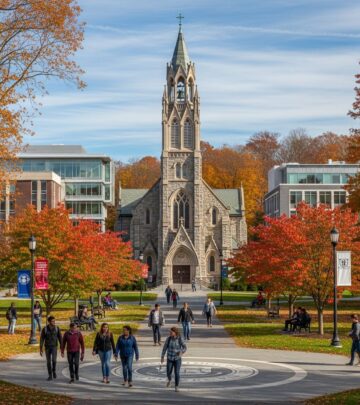
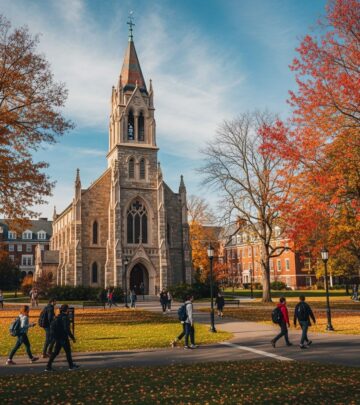
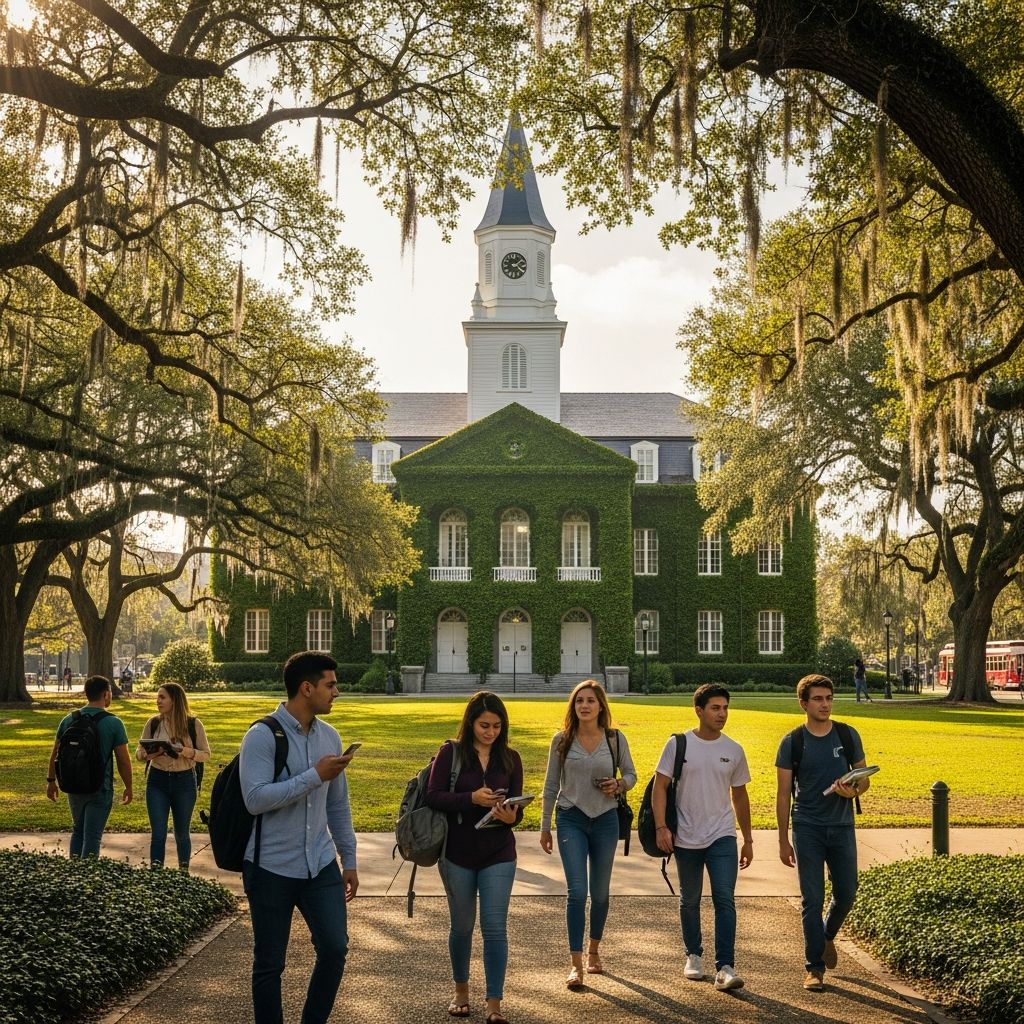
Tulane operates multiple campuses serving different academic and research missions. The primary Uptown campus, established in the 1890s, occupies more than 110 acres on St. Charles Avenue, directly opposite Audubon Park. This historic campus extends north to South Claiborne Avenue through Freret and Willow Street, providing an architecturally distinctive setting that blends academic buildings with the cultural landscape of New Orleans.
The Health Sciences campus is located in downtown New Orleans’ Central Business District, housed in 18 mid/high-rise buildings between the Mercedes-Benz Superdome and Canal Street. This campus accommodates the School of Medicine, School of Public Health and Tropical Medicine, and the main campus of the Tulane Medical Center, serving as the central location for biomedical research and medical education.
Specialized research facilities extend beyond New Orleans. The Tulane National Primate Research Center in Covington, Louisiana represents one of eight such centers funded by the National Institutes of Health, supporting crucial medical research. The F. Edward Hebert Research Center near Belle Chasse, Louisiana provides facilities for graduate training and research in computer science, bioengineering, and biology.
Recent Campus Expansion and Infrastructure
Tulane continues significant capital investment in campus infrastructure. The university completed a major reimagining and expansion of Richardson Memorial Hall, home of the newly-renamed School of Architecture and Built Environment. The five-story building now features 17,000 square feet of new space, enhancing the original 45,000-square-foot structure and positioning the school as a leader in interdisciplinary design education and research.
The new architecture school name reflects Tulane’s positioning as a leader in interdisciplinary design education, research, and impact of the built environment beyond traditional architectural foundations. Major campus expansions also include new residence halls and research facilities, enhancing the student experience and supporting expanded research initiatives.
Student Life and Community
Tulane students benefit from a distinctive college experience combining rigorous academics with the vibrant culture of New Orleans. Many students appreciate the strong commitment from professors, who are often described as caring and invested in student success. The university maintains a freshman retention rate of 93%, indicating that full-time students appreciate their professors and academic experience enough to continue their studies. This high retention rate also reflects the admissions team’s effectiveness in selecting applicants who fit well with the university community.
The on-time graduation rate for first-time, full-time students at Tulane is 77%, significantly exceeding the national average of 33.3%, demonstrating strong student success and program completion rates. This success reflects both the quality of academic programs and comprehensive student support systems.
First-Year Experience and Core Curriculum
All first-year Tulane students participate in TIDES (Tulane Interdisciplinary Experience Seminar), providing an academic lens to view their new home of New Orleans. This seminar-based approach helps students integrate into the university community while developing critical thinking skills applicable across disciplines. The core curriculum exposes students to diverse fields of knowledge while building foundational competencies essential for advanced work in their major disciplines.
The School of Liberal Arts
The School of Liberal Arts represents the largest of Tulane’s nine schools with the greatest number of enrolled students, faculty members, majors, minors, and graduate programs. Encompassing 16 departments and 19 interdisciplinary programs in the social sciences, humanities, and fine and performing arts, the school offers 50 undergraduate majors and multiple graduate programs at the M.A., M.F.A., and Ph.D. levels. Beyond traditional academics, the school supports the Shakespeare Festival, Summer Lyric Theatre, Carroll Gallery, Tulane Marching Band, and the Middle America Research Institute.
Research and Innovation
The Middle America Research Institute, established in 1925 at Tulane, demonstrates the university’s long-standing commitment to advanced research. Originally founded “for the purpose of advanced research into the history (both Indian and colonial), archaeology, tropical botany (both economic and medical), the natural resources and products, of the countries facing New Orleans across the waters to the south,” the institute continues gathering and disseminating data while fostering commercial and friendly relations with Trans-Caribbean peoples.
Tulane’s research infrastructure continues expanding, with the Tulane National Primate Research Center celebrating 60 years of scientific discoveries and the university developing new projects that redefine how we measure national progress.
Public Service Commitment
In 2006, Tulane became the first Carnegie-ranked “high research activity” institution to require undergraduate public service as a graduation requirement. This distinctive commitment to community engagement reflects the university’s philosophy that education extends beyond the classroom into meaningful service. Students engage with New Orleans’ diverse communities, addressing real-world challenges while developing practical skills and civic consciousness.
Frequently Asked Questions
Q: What makes Tulane University unique?
A: Tulane’s distinctive positioning in New Orleans combines rigorous academics with vibrant cultural immersion. The university requires undergraduate public service, offers 75+ majors and minors, and maintains a commitment to interdisciplinary learning through programs like TIDES.
Q: What is Tulane’s undergraduate retention rate?
A: Tulane maintains a 93% freshman retention rate, significantly above national averages, indicating strong student satisfaction and academic fit.
Q: Does Tulane offer graduate programs?
A: Yes, Tulane offers extensive graduate programs across nine schools, including masters degrees, PhDs, and professional certificates in fields ranging from engineering to music to public health.
Q: What recent programs has Tulane launched?
A: In 2025, Tulane launched programs including Sustainable Urbanism BS and Minor, Artificial Intelligence Minor, Climate Change Science and Practice Minor, Business Analytics and AI Certificate, and multiple new graduate degrees in engineering and specialized fields.
Q: How does Tulane rank nationally?
A: The 2025 U.S. News & World Report ranked Tulane tied for 63rd among national universities, with rankings of 5th for Service Learning, 100th for Best Value, and 95th overall by College Factual.
Q: What is the Louisiana Promise program?
A: Created in 2020 by President Michael A. Fitts, Louisiana Promise is a signature program designed to retain the best and brightest students from Louisiana.
Academic Support and Student Resources
Tulane provides comprehensive academic support to ensure student success. While professors are generally praised for their dedication and investment in student outcomes, the university acknowledges that some departments, like chemistry and mathematics, have received feedback regarding consistency in course quality. The university continues working to strengthen all academic departments and provide additional resources where needed.
Conclusion
Tulane University of Louisiana represents a distinctive educational opportunity that combines research excellence, innovative programming, and deep community integration. With its strategic location in New Orleans, commitment to public service, expanding academic offerings, and strong student outcomes, Tulane prepares graduates for meaningful careers and engaged citizenship. Whether through groundbreaking research, interdisciplinary programs, or community-focused learning experiences, Tulane exemplifies contemporary higher education’s potential to transform students and communities alike.
References
- Tulane University: Home — Tulane University. Accessed November 2025. https://tulane.edu
- Tulane University — Wikipedia. Accessed November 2025. https://en.wikipedia.org/wiki/Tulane_University
- New horizons: Tulane expands academic programs for 2025 — Tulane University News. 2025. https://news.tulane.edu/new-horizons-tulane-expands-academic-programs-2025
- Tulane University — Niche. Accessed November 2025. https://www.niche.com/colleges/tulane-university/
- Education Guide 2025: Colleges, universities continue to add new programs and expand — New Orleans City Business. August 7, 2025. https://neworleanscitybusiness.com/blog/2025/08/07/tulane-uno-new-programs-campus-expansion/
- Tulane University of Louisiana Overview — College Factual. 2025. https://www.collegefactual.com/colleges/tulane-university-of-louisiana/
- 2024-2025 Academic Year in Review — Tulane University Publications. 2025. https://publications.tulane.edu/office-of-the-president/2024-2025-academic-year-in-review
Similar Articles








Read full bio of Sneha Tete