Undefined TSA Rules 2026: Essential Guide To Checkpoints
Master the latest TSA regulations for 2026, from REAL ID mandates to relaxed shoe policies and liquid limits, ensuring smooth airport security.
Navigating airport security has evolved significantly by 2026, with stricter identity checks, technological upgrades, and passenger-friendly adjustments. This guide breaks down the key changes, preparation steps, and frequent mistakes to help you breeze through TSA checkpoints.
Key Updates Shaping 2026 Airport Security
The Transportation Security Administration (TSA) has implemented major shifts to enhance safety while improving efficiency.
REAL ID enforcement
became mandatory for domestic flights starting May 7, 2025, requiring compliant identification at all U.S. airport checkpoints. Non-compliant IDs are no longer accepted, pushing travelers toward passports or enhanced state-issued licenses marked with a star.Another innovation is the
Confirm.ID program
, launching February 1, 2026. Travelers without valid ID can pay a $45 non-refundable fee for a 10-day identity verification process, allowing them to proceed after additional screening. This option aims to reduce disruptions but underscores the importance of proper documentation.A welcome change is the
shoes-on policy
, effective July 8, 2025. Most passengers can now keep footwear on during screening, thanks to advanced imaging technology, though certain shoes may still trigger removal requests. These updates reflect a balance between security and convenience amid rising travel volumes.Essential Pre-Travel Preparation Checklist
Preparation is your best defense against delays. Start with these steps well before your trip.
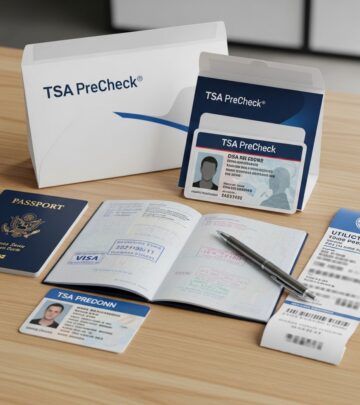
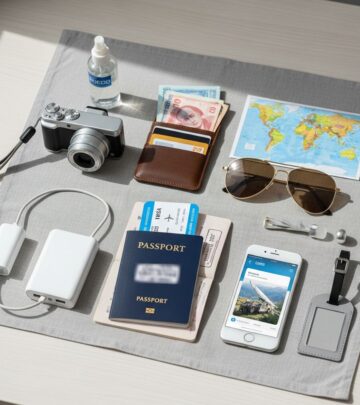
- Verify your ID: Ensure your driver’s license or state ID displays the REAL ID star. Alternatives include U.S. passports, military IDs, or trusted traveler cards like Global Entry.
- Pack medications and essentials: Keep prescription liquids, gels, and medically necessary items accessible; they may exceed standard limits but require declaration.
- Organize electronics: Spare lithium batteries and power banks must stay in carry-ons to mitigate fire risks, per FAA guidelines.
- Review international docs: For global trips, confirm visa requirements and note that TSA handles U.S. departures only.
For domestic flights, double-check your boarding pass digitally via airline apps to minimize paper clutter at checkpoints.
Understanding Carry-On Restrictions
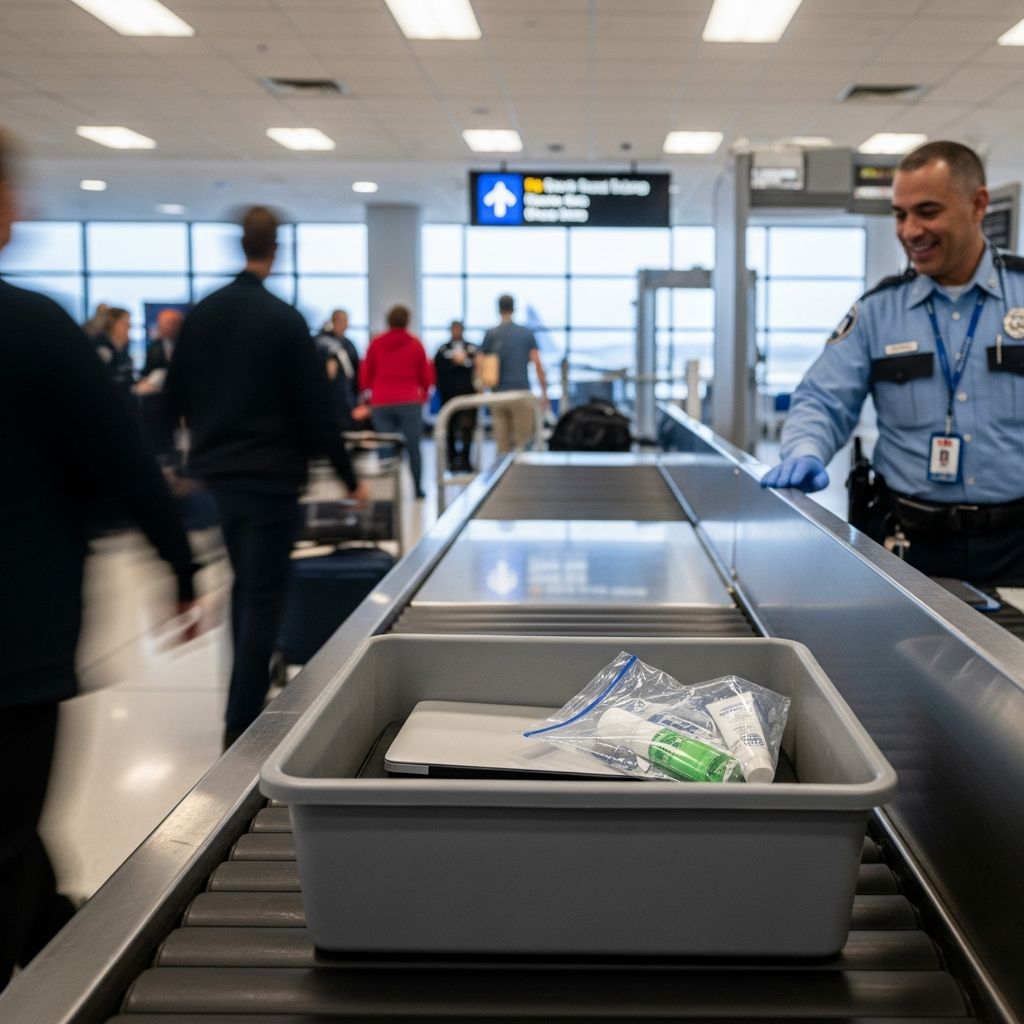
**Liquids, gels, and aerosols** adhere to the longstanding 3-1-1 rule: containers no larger than 3.4 ounces (100 ml) in a single, clear, quart-sized bag per passenger. This applies to the container size, regardless of contents—even partially filled bottles count. Exceptions exist for baby formula, breast milk, and life-sustaining medications, which should be separated for inspection.
| Item Type | Carry-On Allowed | Checked Bag Allowed | Notes |
|---|---|---|---|
| Liquids (3.4 oz max) | Yes, in 1 qt bag | Yes, larger sizes | Declare meds |
| Lithium Batteries | Yes (spares only) | No | Fire hazard |
| Power Banks | Yes, under 100Wh | No | Carry-on only |
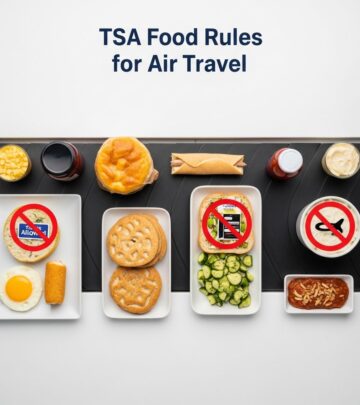
| Food (solid) | Yes | Yes | TSA PreCheck may skip removal |
Carry-on bags face no universal size mandate from TSA, but airlines enforce overhead bin limits—typically 22x14x9 inches. Gate agents increasingly perform visual checks to prevent oversized items from boarding. Personal items like purses or laptops count separately.
Navigating the Checkpoint Experience
Upon arrival, present your
ID and boarding pass
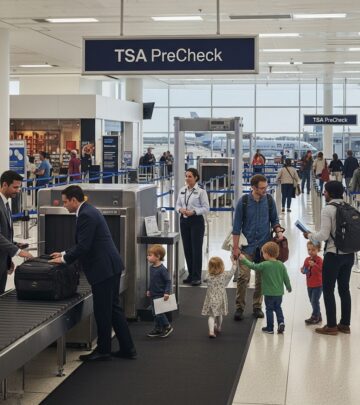
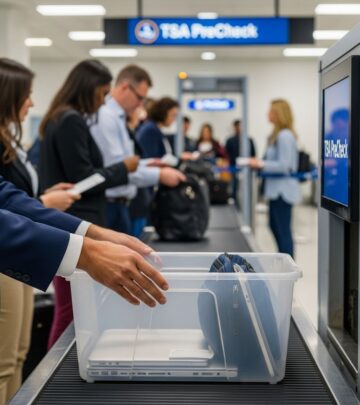
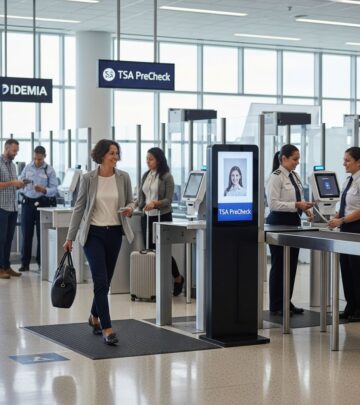
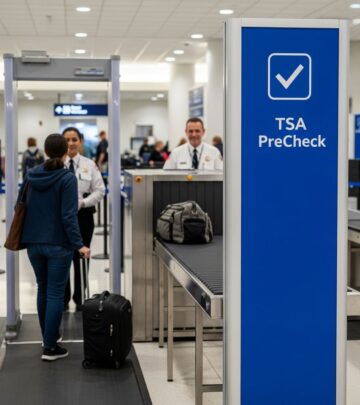
—digital versions work fine. Follow signage for standard, TSA PreCheck, or CLEAR lanes. PreCheck members enjoy expedited processes: keeping shoes, belts, and light jackets on, plus leaving laptops and 3-1-1 bags in bags.Expect
advanced imaging technology (AIT)
scanners, which detect threats without physical contact. Biometric facial recognition is expanding at select airports, matching your face to your ID photo for faster verification. Remain calm and compliant; officers may direct random additional screening.For families, strollers and car seats can be screened with you. Electronics over a certain size must be removed for scanning.
Common Pitfalls and How to Avoid Them
Delays often stem from avoidable errors. Here’s what tripped up travelers in 2025 and persists into 2026.
- ID non-compliance: Forgetting the REAL ID star leads to long lines or the new $45 fee. Solution: Renew early.
- Liquids mishaps: Multiple bags or oversized toothpaste tubes get confiscated. Tip: Use travel-sized toiletries.
- Prohibited placements: Power banks in checked luggage spark safety alarms. Always carry on.
- Forgetting declarations: Undeclared duty-free liquids or large meds invite scrutiny.
- Overpacked carry-ons: Bulging bags slow bin placement and scanning.
Use TSA’s “What Can I Bring?” tool online for item-specific rulings on razors, tools, or souvenirs.
Special Considerations for International Travel
TSA screens all departing U.S. flights, but international rules layer on customs and airline policies. Liquids revert to 3-1-1 post-security for U.S. segments. Declare food items to avoid agricultural fines. EU and other regions maintain similar liquid bans, but check destination-specific electronics rules.
Post-2025 CT scanner rollouts at major hubs allow full-bin loading for some lanes, reducing unpack time. However, enforcement varies by airport—arrive 2-3 hours early for internationals.
Technology and Enrollment Programs
Join
TSA PreCheck
for $78 (five years), granting access to dedicated lanes nationwide.Global Entry
($100, five years) includes PreCheck plus expedited customs.CLEAR
($189/year) uses biometrics to skip ID lines, pairing well with PreCheck.By 2026, more airports deploy
credential authentication technology (CAT-2)
, automating ID scans via facial or iris recognition. Opt-in where available for seamless processing.Frequently Asked Questions (FAQs)
Do I need REAL ID for domestic flights in 2026?
Yes, since May 7, 2025. Use a compliant ID or passport.
Can I keep my shoes on at TSA?
Generally yes, since July 2025, unless flagged.
What if I forget my ID?
From February 1, 2026, pay $45 for Confirm.ID verification.
Are power banks allowed in checked bags?
No, carry-on only due to fire risks.
Does the 3-1-1 rule still apply?
Yes, with medical exceptions.
What’s the carry-on size limit?
TSA doesn’t set it; airlines do—check your carrier.
Pro Tips for Stress-Free Travel
- Enroll in PreCheck or Global Entry months ahead.
- Use TSA’s app for real-time wait times and item checks.
- Pack light: One carry-on, one personal item.
- Contact TSA via @AskTSA on social media for queries.
- Practice packing: Simulate screening at home.
Staying informed empowers confident travel. These 2026 rules prioritize security without sacrificing speed—follow them to focus on your destination.
References
- NEW TSA Carry-On Rules for 2026 – Updated Before You Go Checklist — KOMONI Goods Blog. 2026. https://komonigoods.com/blogs/pathways-intentional-living-and-growth-komoni%C2%AE-blog/new-tsa-carry-on-rules-for-2026-updated-before-you-go-checklist
- 12 New TSA Rules In 2026 That Will SHOCK You (Updated!) — All About Flying (YouTube). 2026-01-05. https://www.youtube.com/watch?v=aqN_QQe10Gk
- NEW Carry-On Rules for 2026? Here’s What’s ACTUALLY Changing — Travel Tips with Megan (YouTube). 2026. https://www.youtube.com/watch?v=xaP4KJPSj-k
- TSA Rules 2026: REAL ID Required, Liquid Rules, & Security — LegalShield Blog. 2025. https://www.legalshield.com/blog/need-help-understanding-new-tsa-rules-2025
Similar Articles








Read full bio of medha deb