TSA PreCheck: Is It Worth the Cost?
Discover if TSA PreCheck's time-saving perks justify the fee for frequent flyers and occasional travelers alike.
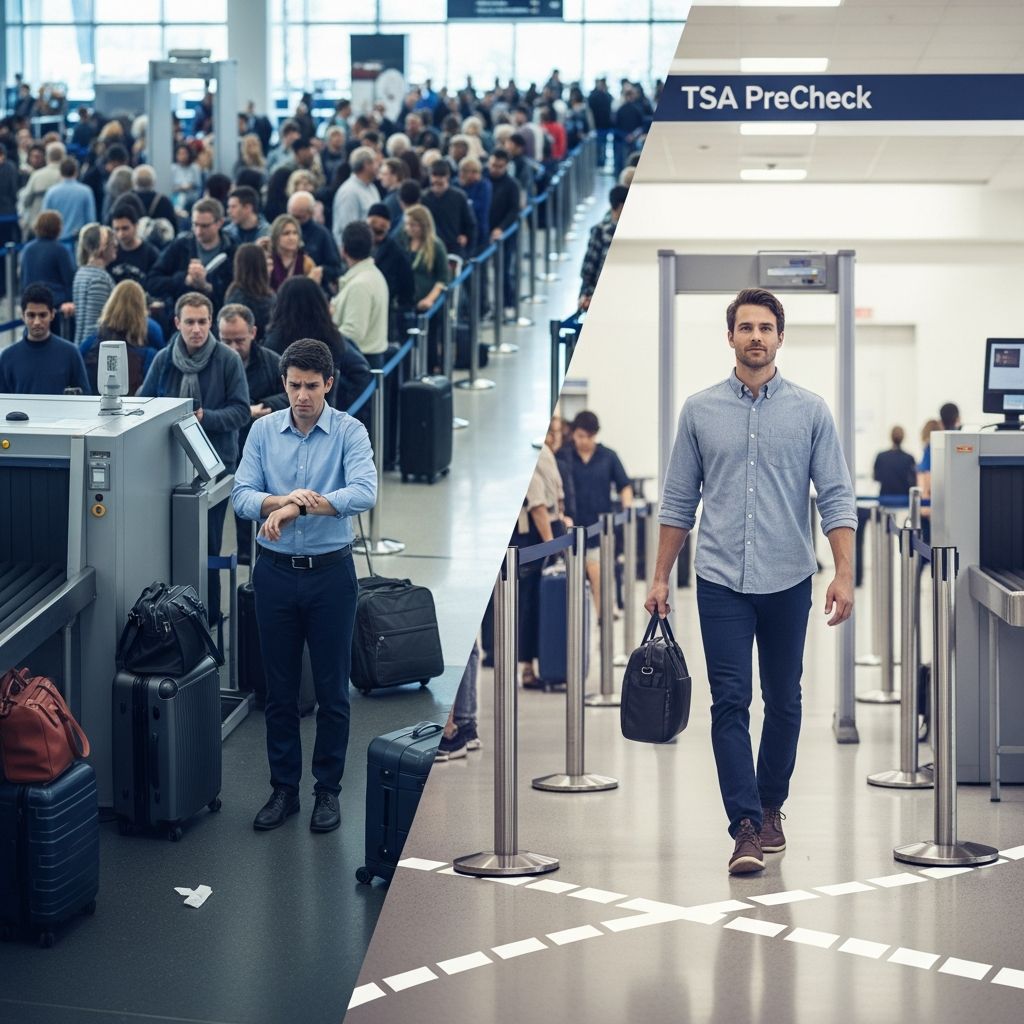
Navigating airport security can transform a smooth travel day into a stressful ordeal. TSA PreCheck offers a solution by providing low-risk travelers with faster access through dedicated lanes. This program, managed by the U.S. Transportation Security Administration, promises shorter wait times and fewer hassles at checkpoints. But with an upfront fee and renewal requirements, many wonder if the convenience justifies the investment. This article breaks down everything you need to know to make an informed decision.
Understanding the TSA PreCheck Program
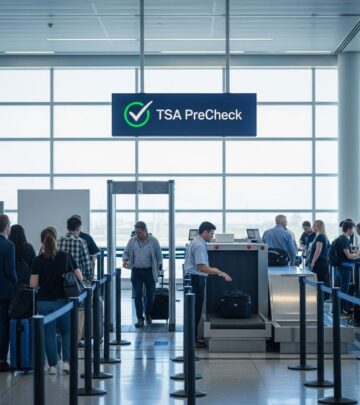
TSA PreCheck is part of the Trusted Traveler Programs operated by the TSA, designed specifically for domestic flights departing from U.S. airports. Participants undergo a background check to confirm their low-risk status, granting them access to expedited screening processes. Available at more than 200 airports and with nearly 90 participating airlines, the program streamlines the pre-flight experience for millions of travelers annually.
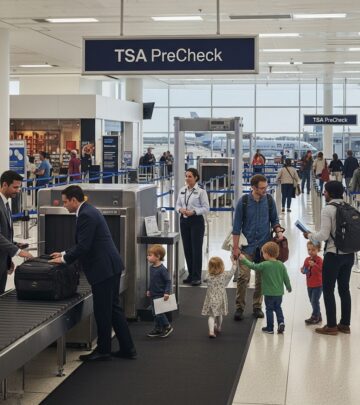
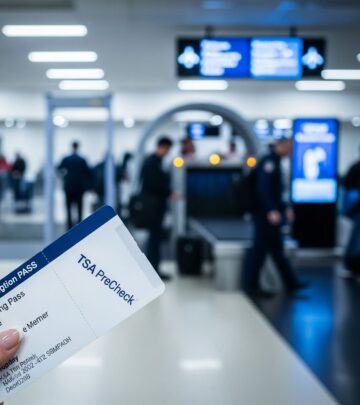
The core appeal lies in its simplicity. Once approved, members receive a Known Traveler Number (KTN), a unique identifier added to flight reservations. This triggers a TSA PreCheck indicator on the boarding pass, directing users to the special lane. According to TSA data, 99% of members wait less than 10 minutes in line, a stark contrast to standard security queues that often exceed 30 minutes during peak times.
Key Advantages of Enrolling in TSA PreCheck
The program’s value shines through its practical benefits, particularly for those who fly regularly. Here’s what sets it apart:
- Shorter Lines: Dedicated lanes mean bypassing the longest queues, saving precious time.
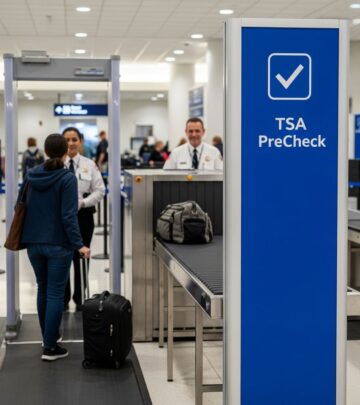
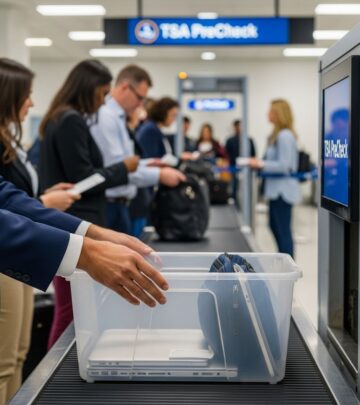
- Simplified Screening: No need to remove belts, light jackets, laptops from bags, or 3-1-1 compliant liquids. Travelers keep shoes on and maintain a more comfortable posture during scans.
- Family Perks: Children 12 and under can join an enrolled parent or guardian in the PreCheck lane without their own membership. Teens 13-17 need their own KTN.
- Wide Availability: Over 200 U.S. airports support the program, covering major hubs like Atlanta, Chicago, and Los Angeles.
These features reduce stress and allow more time for shopping, dining, or relaxing before flights. For business travelers or families, the cumulative time savings can add up quickly.
Financial Breakdown: Costs and Reimbursements
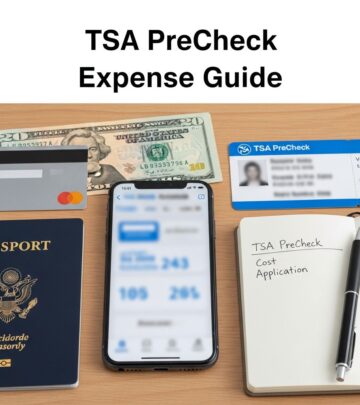
Enrollment isn’t free, but the price is reasonable for the perks. A new five-year membership costs up to $85, depending on the enrollment provider like IDEMIA or Telos. Renewals are cheaper, often around $70 online, and can be completed without an in-person visit if done within the specified window.
| Enrollment Type | Cost | Duration | Notes |
|---|---|---|---|
| New Enrollment | $78-$85 | 5 years | In-person appointment required |
| Renewal (Online) | $58-$70 | 5 years | No fingerprints needed if eligible |
| Renewal (In-Person) | $70-$82 | 5 years | Available at 650+ locations |
Many premium credit cards reimburse the fee as a statement credit, effectively making it free. Cards from issuers like Capital One often include this perk, usable every four years. Check your card’s benefits to see if you qualify.
Who Qualifies for TSA PreCheck Membership?
Eligibility is straightforward but has clear criteria. U.S. citizens, U.S. nationals, and lawful permanent residents can apply. Certain groups get automatic access:
- Active-duty U.S. military, DoD civilians, and military academy cadets using their DoD ID as a KTN.
- Members of Global Entry, NEXUS, or SENTRI programs, which include TSA PreCheck benefits.
However, applicants with criminal histories or violations of federal security rules may face denial or suspension. The TSA conducts a thorough background check, including FBI fingerprint records, to ensure program integrity.
Step-by-Step Guide to Applying
Getting started is simple and takes minimal effort. Follow these steps:
- Pre-Enroll Online: Visit the website of an authorized provider (IDEMIA, Telos, or CLEAR) and complete the five-minute application.
- Schedule Appointment: Book a slot at one of over 650 enrollment centers nationwide.
- Attend In-Person: Bring a valid photo ID (e.g., passport, driver’s license) and proof of citizenship (e.g., birth certificate). Provide fingerprints and pay the fee.
- Await Approval: Receive your KTN via email in 3-5 days, though it can take up to 60 days.
- Use It: Add the KTN to airline profiles and reservations.
Providers like IDEMIA handle enrollments at convenient locations, making the process accessible even in smaller cities.
Comparing TSA PreCheck to Other Trusted Traveler Options
TSA PreCheck excels for domestic travel, but alternatives exist for international flyers.
| Program | Cost | Key Benefit | Best For |
|---|---|---|---|
| TSA PreCheck | $85/5 yrs | Domestic expedited screening | U.S. flights only |
| Global Entry | $120/5 yrs | PreCheck + international re-entry | Frequent international travel |
| CLEAR | $189/yr | Biometrics for ID verification | Ultra-frequent flyers |
Global Entry includes PreCheck, making it a better value for those crossing borders. CLEAR complements PreCheck by speeding up identity checks but requires a separate subscription.
Real-World Impact: Time and Stress Savings
Frequent flyers report significant improvements. A traveler averaging 10 domestic trips yearly might save 20-30 minutes per airport visit, totaling hours annually. During holidays or peak seasons, savings multiply as standard lines swell.
Beyond time, the program reduces physical discomfort—no barefoot walking on germy floors or repeated unpacking. For parents, keeping kids in PreCheck lanes simplifies family travel. Data from the TSA underscores reliability: the vast majority experience under-10-minute waits.
Potential Drawbacks and Considerations
No program is perfect. PreCheck lanes aren’t available at every checkpoint or airport, and random additional screening can still occur. Membership doesn’t guarantee access during system outages or high-threat alerts. Renewal timing matters—apply early to avoid gaps.
For infrequent travelers (fewer than 4 flights/year), the fee might not amortize. Occasional flyers may find standard lines manageable outside peak times.
Frequently Asked Questions (FAQs)
What documents do I need to apply?
A valid photo ID and citizenship proof like a birth certificate or passport. Military members use DoD ID.
How long does approval take?
Typically 3-5 days for a KTN, up to 60 days maximum.
Can I transfer from Global Entry?
Yes, Global Entry members automatically get PreCheck benefits using the same PASSID as KTN.
Is TSA PreCheck available internationally?
No, it’s for U.S. departure checkpoints only.
What if I’m denied?
You can reapply after addressing issues or appeal through TSA’s redress process.
Making the Decision: Is It Right for You?
Weigh your travel frequency against the $17 annual cost (over 5 years). Frequent flyers save time and frustration effortlessly. Infrequent travelers might skip unless reimbursed. Programs like credit card perks tip the scales for many.
Ultimately, TSA PreCheck transforms airport drudgery into a breeze, backed by robust security vetting. For most, the math and convenience align favorably.
References
- What Is TSA PreCheck? — Capital One. 2024-01-15. https://www.capitalone.com/learn-grow/more-than-money/what-is-tsa-precheck/
- TSA PreCheck — IDEMIA North America. 2025-06-10. https://na.idemia.com/tsa-precheck/
- TSA PreCheck FAQ — TSA (via Telos). 2025-03-20. https://tsaprecheckbytelos.tsa.dhs.gov/tsa-precheck-faq
- TSA PreCheck® Program — Transportation Security Administration (.gov). 2026-02-28. https://www.tsa.gov/precheck
- Trusted Traveler Programs — U.S. Customs and Border Protection (.gov). 2025-11-12. https://www.cbp.gov/travel/trusted-traveler-programs
Similar Articles








Read full bio of medha deb