TSA Carry-On Rules Essential Guide For Hassle-Free Travel
Master TSA carry-on limits, airline sizes, liquids rules, and 2026 updates to breeze through security without fees or delays.
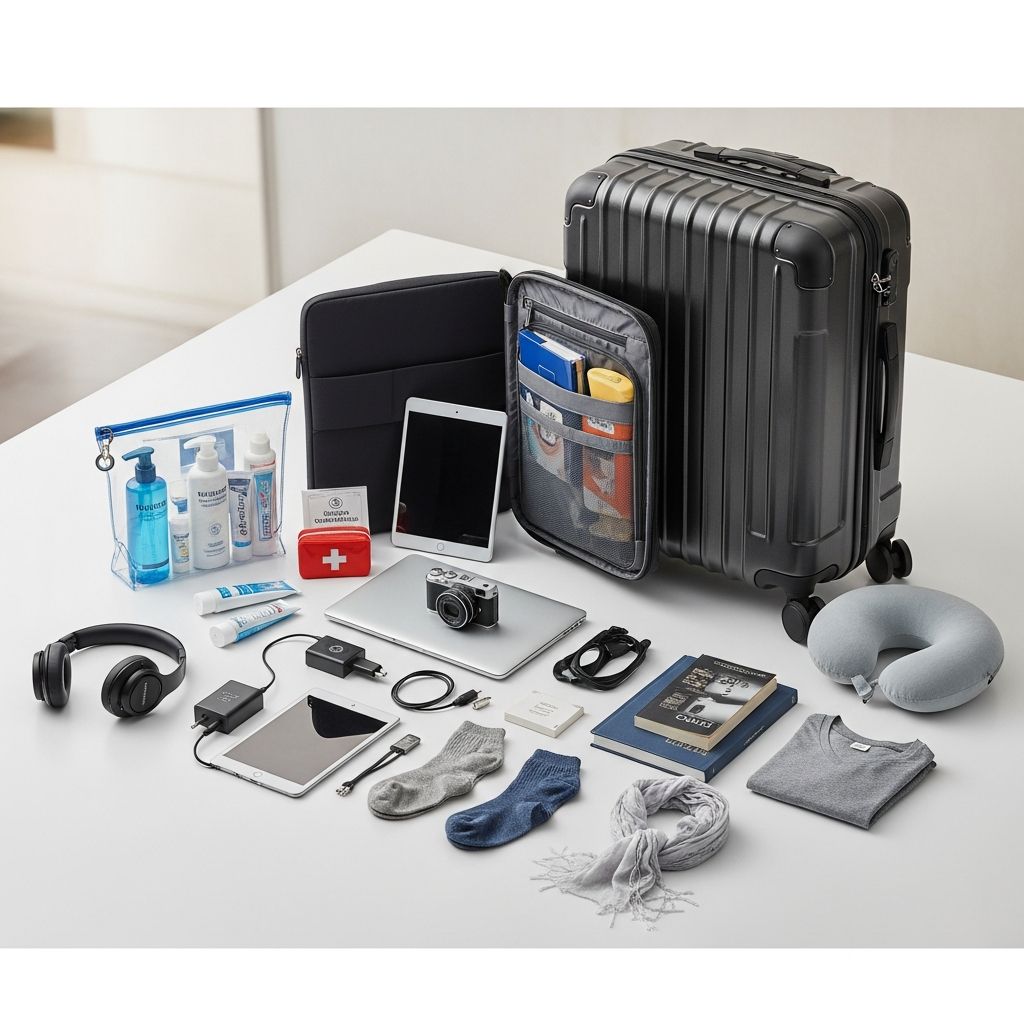
Understanding TSA carry-on restrictions ensures hassle-free air travel. These rules focus on size, weight, liquids, and prohibited items to maintain security while allowing essential packing.
Core TSA Size and Quantity Guidelines
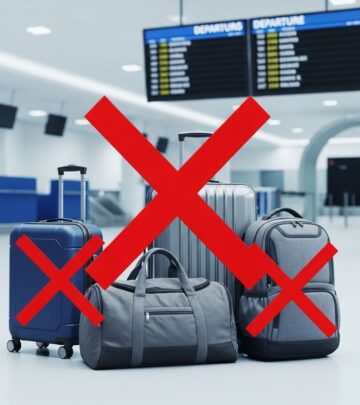
The Transportation Security Administration sets baseline standards for carry-on bags entering security checkpoints. Passengers may bring one carry-on bag and one personal item, such as a purse or laptop bag. Carry-on bags must fit in overhead bins, typically not exceeding 22 inches in length, 14 inches in width, and 9 inches in height, including wheels and handles. Personal items should slide under the seat ahead, often limited to 18 x 14 x 8 inches.
No universal weight limit applies at TSA checkpoints, but airlines enforce their own during boarding. Bags must be liftable into overhead space without help on most carriers. Exceeding dimensions risks gate-checking, which incurs fees up to $100 per bag.
Airline-Specific Carry-On Dimensions
While TSA handles security, airlines dictate boarding allowances. Variations exist, especially for budget fares. Here’s a breakdown:
| Airline | Carry-On Max (L x W x H, incl. wheels/handles) | Personal Item Max | Weight Notes |
|---|---|---|---|
| American Airlines | 22 x 14 x 9 inches | 18 x 14 x 8 inches | No weight limit listed |
| Delta Air Lines | 22 x 14 x 9 inches (45 linear inches total) | Purse, small backpack, laptop | Partner airline variations possible |
| JetBlue | 22 x 14 x 9 inches | 17 x 13 x 9 inches | Must lift into bin unassisted |
| Southwest Airlines | 24 x 16 x 10 inches | Crossbody, briefcase, backpack | No weight limit |
| United Airlines | 22 x 14 x 9 inches | 17 x 10 x 9 inches | Basic economy: personal item only |
| Frontier/Spirit (Budget) | Personal item: ~18 x 14 x 8 inches | N/A (carry-on often fee-based) | Strict enforcement |
Data compiled from airline policies; always verify via official sites as regional jets may require slimmer bags. Southwest offers the most generous free allowance.
The 3-1-1 Liquids Rule Explained
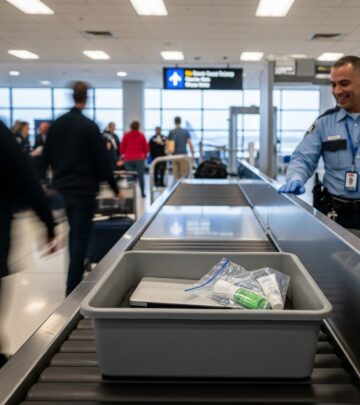
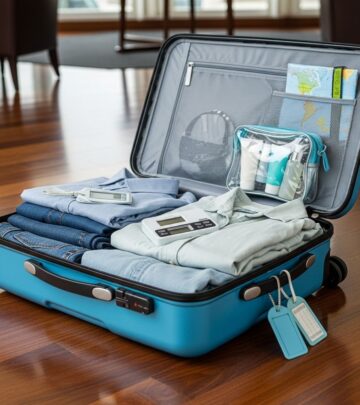
TSA’s cornerstone regulation limits liquids, gels, aerosols, creams, and pastes in carry-ons. Each container must hold no more than 3.4 ounces (100 ml), all fitting into one quart-sized, clear, resealable plastic bag per traveler. This bag goes flat into a bin for screening. Larger volumes must check through baggage.
- Container capacity matters, even if partially filled.
- Exceptions: Medically necessary liquids (e.g., prescriptions) and infant formula/milk may exceed limits but require separate screening.
- Place the bag separately at checkpoints to speed screening.
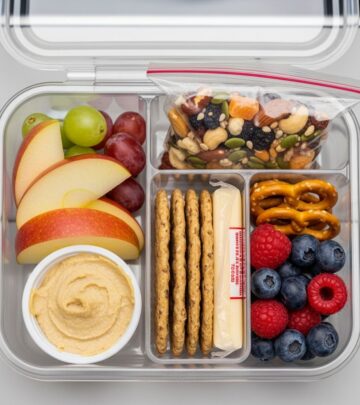
This rule, unchanged into 2026, prevents security risks from bulk liquids. Solid foods and dry items face no such caps.
Prohibited and Restricted Items in Carry-Ons
Certain objects cannot pass TSA screening in carry-ons for safety reasons. Sharp items like knives, box cutters, and razors (except disposable) go in checked bags. Sporting goods such as bats and golf clubs are also banned from cabins.
Firearms, ammunition, and explosives are prohibited entirely in carry-ons but permitted in checked luggage with airline approval and locked cases. E-cigarettes and vaping devices must stay in carry-ons, not checked bags, with batteries under 100Wh. Power banks follow similar rules: spare lithium batteries over 100Wh need approval.
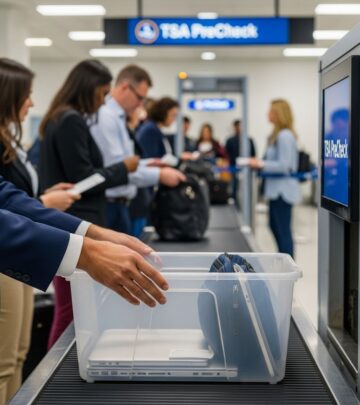
- Electronics: Laptops, phones screen separately; remove large devices.
- Medications: Solids allowed unlimited; liquids follow 3-1-1 or medical exception.
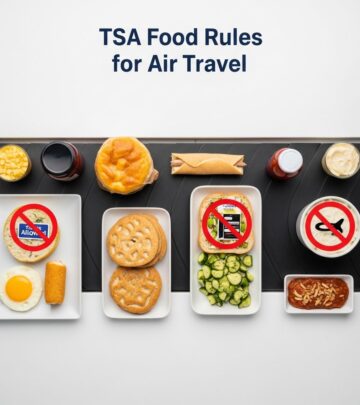
- Food: Solid snacks fine; spreads like peanut butter count as liquids.
Items like umbrellas, jackets, and duty-free post-security purchases don’t count toward allowances.
2026 Updates and Enforcement Trends
Carry-on rules remain stable, but enforcement tightens. Gate agents perform visual checks and use sizers more consistently, targeting obviously oversized bags for gate-check without leniency for soft-sided compression. International flights impose stricter weight caps (15-22 lbs or 7-10 kg), especially Europe/Asia routes.
Basic economy fares increasingly limit to personal items only, pushing carry-ons to paid upgrades. Hub airports see rigorous pre-boarding inspections. No major size changes, but expandable zippers risk flagging if bags protrude. REAL ID enforcement fully active by 2026 for domestic flights.
Packing Strategies for Compliance
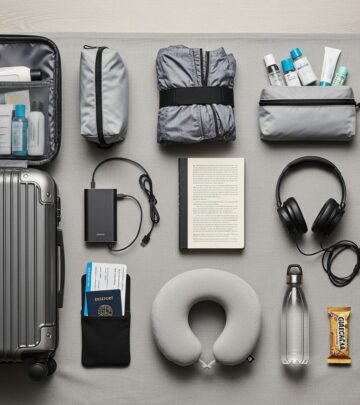
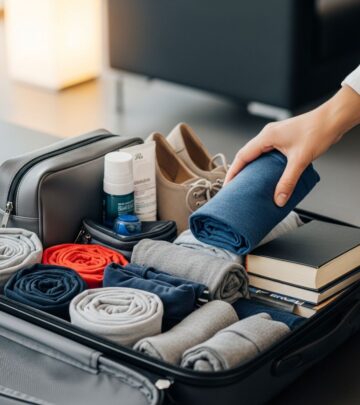
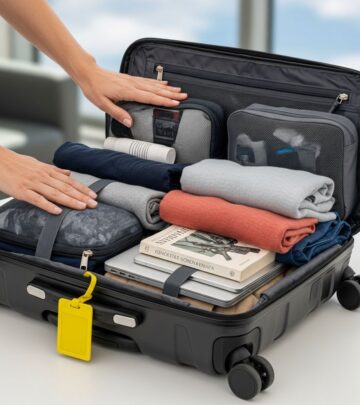
Measure bags packed, including protrusions. Opt for hardside luggage under 22x14x9 to fit most bins. Use compression cubes for efficiency and wear bulky clothes through security.
- Pack liquids first into 3-1-1 bag.
- Layer outfits to minimize bag bulk.
- Place heavy items at the bottom for stability.
- Carry essentials like meds, chargers in personal item.
For families, pet carriers count as personal or carry-on; infant items get exemptions.
Navigating Fees and Gate-Check Scenarios
Oversized bags at gates trigger fees: $60-100 per piece, higher than check-in. Checked bag weights over 40-50 lbs add $75-100. Avoid by pre-measuring and underpacking.
| Fee Type | Typical Cost | Avoidance Tip |
|---|---|---|
| Gate-Check Carry-On | $60-100 | Fit sizer before boarding |
| Checked Bag Overweight (41-50 lbs) | $75 | Weigh pre-trip |
| Basic Economy Carry-On Upgrade | $30-65 | Choose inclusive fare |
Frequently Asked Questions
Can I bring a full-size water bottle through TSA?
No, empty bottles pass; fill post-security.
What about CBD oil or vape juice?
Follow 3-1-1; declare medical if needed.
Do regional flights have smaller bins?
Yes, slimmer profiles required.
Is there a shoes-off policy change in 2026?
Shoes-on possible at some advanced scanners, but prepare to remove.
How to handle power banks over 100Wh?
Airline approval needed; carry-on only.
Pre-Travel Checklist
- Verify airline bag policy via app/ticket.
- Measure and weigh luggage.
- Prep 3-1-1 bag and electronics.
- Check REAL ID compliance.
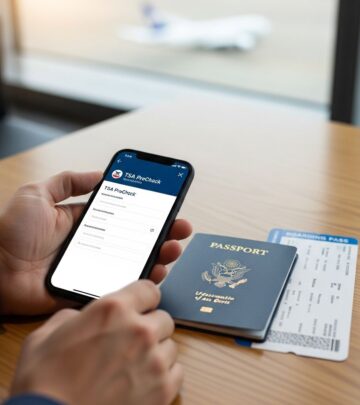
- Download TSA app for wait times.
Consult TSA’s What Can I Bring? tool for specifics.
References
- TSA Carry-On Restrictions You Need to Know — NerdWallet. 2025. https://www.nerdwallet.com/travel/learn/tsa-carry-on-restrictions
- NEW TSA Carry-On Rules for 2026 – Updated Before You Go Checklist — Komoni Goods. 2025. https://komonigoods.com/blogs/pathways-intentional-living-and-growth-komoni%C2%AE-blog/new-tsa-carry-on-rules-for-2026-updated-before-you-go-checklist
- NEW Carry-On & Checked Luggage Rules for 2026 — YouTube (Travel Tips Channel). 2025. https://www.youtube.com/watch?v=qdYEUk0XOC4
- NEW Carry-On Rules for 2026? Here’s What’s ACTUALLY Changing — YouTube. 2025. https://www.youtube.com/watch?v=xaP4KJPSj-k
- Carry-On Luggage Rules 2026: Size Limits for Every Major Airline — SmarterTravel. 2025. https://www.smartertravel.com/the-real-rules-for-carry-on-luggage/
- TSA Rules 2026: REAL ID Required, Liquid Rules, & Security — LegalShield. 2025. https://www.legalshield.com/blog/need-help-understanding-new-tsa-rules-2025
Similar Articles








Read full bio of medha deb