Trusted Traveler Programs: PreCheck vs Entry
Compare TSA PreCheck and Global Entry to find your ideal airport security solution.
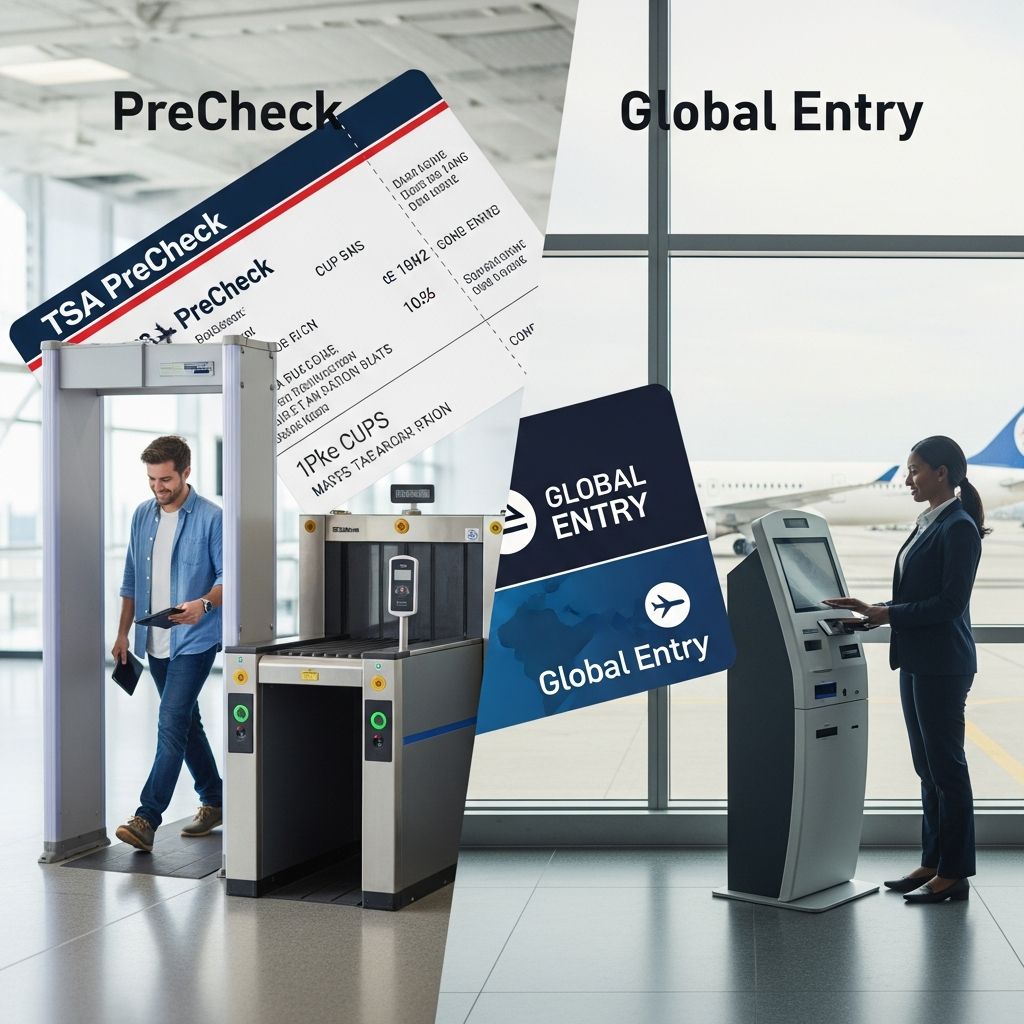
Air travel involves navigating multiple checkpoint systems, from initial security screening to customs processing upon return. Two federal programs—TSA PreCheck and Global Entry—exist to streamline these processes for frequent travelers. While both operate under the umbrella of Trusted Traveler Programs (TTPs), they serve different purposes and cater to distinct travel patterns. Understanding their distinctions helps travelers make informed decisions about which program aligns with their specific needs.
Defining the Programs and Their Core Functions
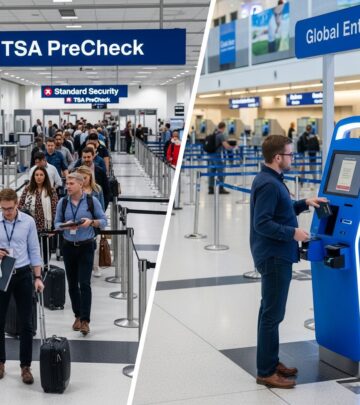
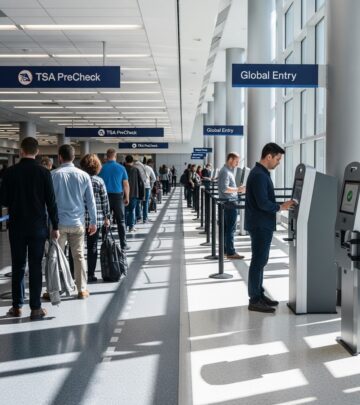
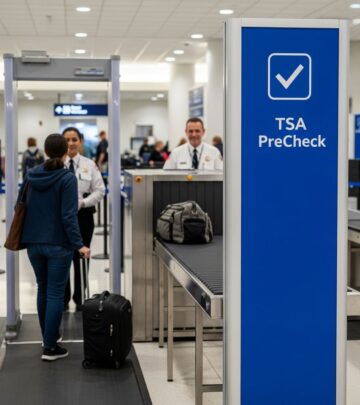
TSA PreCheck represents a Transportation Security Administration initiative designed to expedite security screening for domestic air travel. The program allows pre-approved, low-risk travelers to pass through security checkpoints more quickly at participating U.S. airports. Members benefit from reduced physical searches and fewer restrictions on carry-on items, enabling faster transitions through airport terminals.
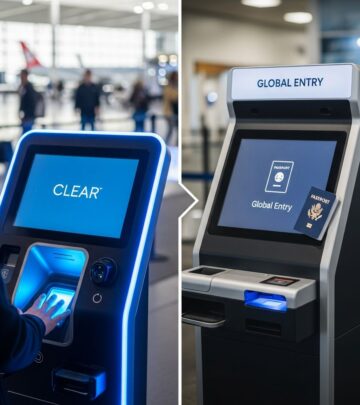
Global Entry, administered by U.S. Customs and Border Protection (CBP), addresses a different segment of the travel experience. This program facilitates expedited customs and immigration screening when returning to the United States from international destinations. Rather than standing in conventional customs lines, Global Entry members utilize automated kiosks to process entry documentation, verify identity, and declare items carried into the country.
A critical distinction emerges when examining program scope: Global Entry membership automatically includes TSA PreCheck benefits. This means Global Entry members receive both expedited domestic security screening and accelerated international customs processing, while TSA PreCheck members only access domestic security advantages.
Eligibility Requirements and Accessibility
Eligibility criteria differ between the two programs, affecting who can enroll. TSA PreCheck welcomes U.S. citizens, lawful permanent residents, and citizens from partner nations already enrolled in comparable programs. This broader eligibility framework makes TSA PreCheck more accessible to diverse applicant pools.
Global Entry maintains stricter eligibility standards, primarily targeting U.S. citizens and lawful permanent residents. However, the program has expanded to include residents from select countries including the United Kingdom, Canada, Mexico, Switzerland, Germany, South Korea, Colombia, Panama, and India. Minors can enroll with parental consent or when parents simultaneously apply for Global Entry membership.
The enrollment location availability also reflects accessibility differences. TSA PreCheck operates at more than 200 U.S. airports with partnerships extending across numerous airlines. Global Entry availability concentrates at 77 U.S. and international airports, primarily serving major travel hubs. For travelers in smaller metropolitan areas, TSA PreCheck accessibility may present a practical advantage.
Financial Considerations and Cost Comparison
Cost represents a significant factor in program selection. TSA PreCheck membership requires a non-refundable application fee ranging from $58.75 to $85, with five-year validity. This lower cost makes TSA PreCheck financially attractive for budget-conscious travelers prioritizing domestic travel.
Global Entry membership costs $120 for five-year coverage—roughly 40-100% more expensive than TSA PreCheck. This premium pricing reflects the expanded benefits package, including international customs screening capabilities. However, potential cost reduction strategies exist for Global Entry applicants.
Numerous credit card issuers offer reimbursement provisions for Global Entry application fees. Cardholders who charge the $120 fee to their credit card may receive full reimbursement through benefits programs. This cost-offsetting mechanism makes Global Entry financially comparable to TSA PreCheck for individuals carrying these premium credit products.
Application Procedures and Processing Timelines
Both programs employ similar foundational application structures but diverge in complexity and processing duration. Applicants for either program begin with online application submission through the Trusted Traveler Program portal. This initial step requires providing biographical information, travel history, and background details.
Following conditional online approval, both programs mandate in-person enrollment appointments. During these appointments, applicants submit fingerprints, verify identity documentation, and participate in background verification processes. TSA PreCheck appointments typically complete more expeditiously than Global Entry interviews.
Processing timelines present operational differences between the two programs. TSA PreCheck approval generally occurs within weeks of completing the in-person enrollment visit. Global Entry processing may extend considerably longer, potentially requiring several months or up to one year for final approval determination. Applicants considering Global Entry should initiate the process well before international travel plans, accounting for extended review periods.
Global Entry offers an alternative application pathway through the Enrollment on Arrival program. This innovative option permits eligible applicants to conduct their required in-person interview at designated airports during international arrival. This approach accommodates frequent travelers who maintain limited domestic schedule flexibility.
Security Screening Benefits and Practical Advantages
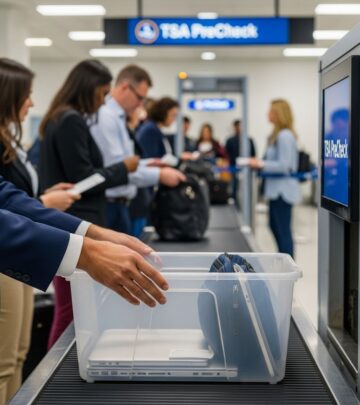
TSA PreCheck members experience tangible conveniences during domestic air travel security procedures. PreCheck-approved travelers bypass standard restrictions on liquids, electronics, and apparel at security checkpoints. Members proceed without removing belts, light jackets, or shoes, and can transport laptops and liquids exceeding standard carry-on limitations through dedicated security lanes.
These operational advantages accumulate to meaningful time savings, particularly for frequent domestic travelers navigating busy airport terminals. Dedicated PreCheck security lanes maintain shorter wait times compared to conventional screening areas, enabling passengers to reach departure gates more expeditiously.
Global Entry security benefits encompass the complete TSA PreCheck package plus additional customs screening advantages. Upon arriving in the United States from international destinations, Global Entry members access automated processing kiosks rather than traditional customs queues. The kiosk-based system requires members to verify their identity, declare carried items, and confirm flight information using interactive terminals.
After completing kiosk processing, members present the printed receipt to a CBP officer stationed at the exit point. This streamlined procedure eliminates extensive paperwork completion and substantially reduces wait times during peak arrival periods. For international travelers experiencing frequent international flights returning to U.S. airports, this benefit delivers considerable convenience.
Comparative Analysis: Program Features Overview
| Feature | TSA PreCheck | Global Entry |
|---|---|---|
| Primary Function | Domestic security screening acceleration | International customs and security screening |
| Membership Cost | $58.75–$85 per 5 years | $120 per 5 years |
| Participating Locations | 200+ U.S. airports | 77 major U.S. and international airports |
| Processing Timeline | Weeks to approval | Months to one year for approval |
| Includes Other Benefits | No additional programs | Automatically includes TSA PreCheck |
| Eligibility Scope | Broader international eligibility | Limited to select countries |
Decision Framework: Selecting the Right Program
Determining program suitability depends primarily on international travel frequency. The Transportation Security Administration recommends Global Entry for individuals traveling abroad four or more times annually. This threshold reflects the point where Global Entry’s international customs benefits offset its premium pricing through aggregate time and convenience savings.
Travelers conducting occasional international journeys—fewer than four trips yearly—may find TSA PreCheck’s lower cost and faster enrollment more practical. These individuals benefit from domestic security advantages while avoiding unnecessary expense for underutilized international features.
Domestic-exclusive travelers pursuing air travel exclusively within U.S. borders should prioritize TSA PreCheck. The program delivers complete functionality for their travel patterns while minimizing financial commitment. The lower enrollment cost and expedited approval process make TSA PreCheck the logical choice for this demographic.
Conversely, frequent international travelers should strongly consider Global Entry despite premium pricing. The program’s inclusion of TSA PreCheck benefits means international travelers receive comprehensive coverage for both domestic connections and international returns. The expanded airport availability at major international hubs provides practical access for most international itineraries.
Enrollment Process Overview and Timeline Planning
Prospective members should prepare for program-specific enrollment timelines. TSA PreCheck applicants can typically expect approval within weeks of completing their in-person appointment. This rapid timeline permits individuals to enroll shortly before travel plans, offering scheduling flexibility.
Global Entry applicants require advance planning due to extended processing periods. Individuals considering Global Entry should initiate applications six to twelve months before anticipated international travel. This extended timeline provides buffer capacity for background verification completion and interview scheduling at enrollment centers or through arrival-based interview options.
Both programs require successfully passing background investigations. Applicants should anticipate standard security clearance procedures examining criminal history, immigration status, and travel records. These background checks maintain program integrity by confirming enrolled members represent minimal security risks.
Cost Management Through Credit Card Benefits
Premium credit card products frequently incorporate membership fee reimbursement provisions for trusted traveler programs. Many premium travel-focused credit cards offer full or partial reimbursement of Global Entry application fees when cardholders charge the membership fee to their account. This benefit effectively reduces Global Entry’s cost to TSA PreCheck pricing levels for qualifying cardholders.
Travelers evaluating program enrollment should review their existing credit card benefits carefully. Fee reimbursement provisions may significantly alter the cost-benefit analysis, making higher-priced Global Entry membership financially equivalent to or less expensive than TSA PreCheck enrollment.
Frequently Asked Questions
Can I have both TSA PreCheck and Global Entry simultaneously?
Yes, though enrollment in Global Entry automatically provides TSA PreCheck benefits, eliminating the need for separate TSA PreCheck membership. However, individuals can maintain both memberships if they choose, though this approach involves unnecessary expense.
Which program covers more airports internationally?
Global Entry provides international customs processing at 77 airports globally, primarily concentrated at major international transportation hubs. TSA PreCheck operates domestically at 200+ U.S. airports but does not provide international customs screening.
Are minors eligible for either program?
Both programs permit minor enrollment with parental or legal guardian consent. Global Entry offers free enrollment for minors when parents hold concurrent membership.
How long does approval typically require?
TSA PreCheck approval generally takes weeks, while Global Entry approval may require months to one year. Planning accordingly proves essential for international travelers requiring timely program activation.
What happens if I travel with someone who isn’t a program member?
Program membership is individual. Non-members accompanying enrolled travelers do not access expedited screening and must proceed through conventional airport security processes.
Conclusion and Strategic Recommendations
TSA PreCheck and Global Entry serve complementary but distinct traveler needs within the broader trusted traveler framework. TSA PreCheck delivers affordable, accessible expedited domestic security screening for frequent U.S. air travelers. Global Entry provides comprehensive coverage combining domestic security benefits with international customs acceleration for frequent international voyagers.
Strategic enrollment decisions should reflect individual travel patterns, international frequency, and financial considerations. Domestic travelers benefit from TSA PreCheck’s lower cost and broader airport accessibility. International travelers gain substantial convenience and time savings through Global Entry membership, particularly when credit card fee reimbursement options reduce effective costs.
Evaluating your anticipated travel patterns over the next five years provides the foundation for optimal program selection. Whether prioritizing cost efficiency or convenience breadth, either program delivers measurable value for frequent air travelers seeking streamlined airport experiences.
References
- TSA PreCheck vs. Global Entry: What’s the Difference? — Experian. 2025. https://www.experian.com/blogs/ask-experian/what-is-the-difference-between-tsa-precheck-and-global-entry/
- Global Entry vs. TSA PreCheck®: Which is better? — Capital One. 2025. https://www.capitalone.com/learn-grow/money-management/tsa-precheck-global-entry-credit/
- Get Through Airport Security: TSA Pre-Check vs. Global Entry — Travel Bash. 2025. https://www.travel-bash.com/blog/tsa-pre-check-vs-global-entry
- TSA PreCheck vs. Global Entry: Which Is Better? — NerdWallet. 2025. https://www.nerdwallet.com/travel/learn/tsa-precheck-global-entry-explained
- What is the difference between TSA PreCheck and the other Trusted Traveler Programs? — U.S. Customs and Border Protection. 2025. https://www.help.cbp.gov/s/article/Article1848
Similar Articles








Read full bio of Sneha Tete