Designating a Trusted Contact for Your Financial Security
Protect your accounts with an authorized emergency contact for your finances.

Financial institutions face an ongoing challenge in protecting their customers from fraud, exploitation, and account mismanagement during unexpected life events. One mechanism designed to address this challenge is the trusted contact person designation—a straightforward yet powerful tool that creates an additional safeguard for your accounts. Understanding this feature and how to use it effectively can provide meaningful protection for your financial wellbeing.
Understanding the Trusted Contact Person Concept
A trusted contact person is an individual you explicitly authorize your financial institution to reach out to under specific, limited circumstances. This person serves as an alternative point of contact when your bank, credit union, or brokerage firm cannot communicate with you directly. The designation does not grant this person any access to your account, authority to make decisions, or ability to view sensitive financial information beyond what the institution deems necessary for specific protective purposes.
The concept emerged as financial institutions recognized the need for additional verification mechanisms when suspicious activity occurs or when they cannot establish contact with account holders. Rather than freezing accounts or taking potentially disruptive action unilaterally, institutions can now consult with a trusted third party to determine whether concerning transactions or communication failures warrant investigation.
The Scope and Limitations of Trusted Contact Authority
It is essential to understand precisely what a trusted contact person can and cannot do. This clarity prevents misunderstandings and ensures the designation serves its intended protective purpose.
Capabilities of a Trusted Contact
A trusted contact person can perform several important functions:
- Verify your current contact information if you have relocated, changed phone numbers, or updated email addresses without notifying your financial institution
- Confirm whether you are experiencing a health emergency or personal crisis that explains your inability to respond to account communications
- Provide information about other authorized representatives, such as a power of attorney, legal guardian, or executor of your estate
- Alert your financial institution if they suspect you are being subjected to financial exploitation or fraud
- Help the institution reach you during travel, after natural disasters, or in other situations where normal communication channels may be compromised
What a Trusted Contact Cannot Do
Understanding the boundaries of this designation is equally important. A trusted contact person cannot:
- Access your account or view account balances and transaction history
- Execute trades or authorize financial transactions
- Make decisions about your investments or banking activities
- Serve as a power of attorney, legal guardian, trustee, or executor unless separately designated through proper legal channels
- Assume liability for information they provide to your financial institution or any subsequent actions taken based on that information
The trusted contact designation creates a communication bridge rather than transferring authority. Your financial institution uses information from this person to verify your situation and make appropriate decisions about your account, but the contact person themselves does not exercise control over your finances.
When and Why Your Financial Institution May Reach Out
Financial institutions have clear criteria for when they may contact your designated trusted contact person. Understanding these scenarios helps you make an informed decision about who to name.
Fraud and Exploitation Concerns
When unusual account activity patterns suggest potential fraud or financial exploitation, your institution may contact your trusted contact to verify whether you authorized the transactions. This is particularly valuable when account holders may be vulnerable to scams targeting seniors or individuals facing cognitive decline.
Communication Failures
If your financial institution attempts to reach you through phone calls, emails, and other standard methods without success, they may contact your trusted contact to obtain updated contact information. This situation commonly arises when people change phone numbers without updating their bank records or when email addresses become outdated.
Health and Emergency Situations
When your institution becomes concerned that your inability to respond may result from hospitalization, injury, or other health emergencies, your trusted contact can confirm your condition and explain why account communications have gone unanswered. This prevents institutions from taking unnecessary protective actions when you are temporarily unable to manage your accounts.
Changes in Legal Status
If someone other than you is appointed to manage your affairs—whether as a court-appointed guardian, executor handling your estate, or attorney-in-fact with power of attorney—your trusted contact can inform your institution of these changes and provide relevant documentation.
Selecting the Right Trusted Contact Person
Choosing who to designate as your trusted contact requires careful consideration. The ideal candidate possesses specific qualities and understands the responsibility involved.
Ideal Characteristics
Your trusted contact should be at least 18 years old and someone you have confidence will act in your best interest. Typical candidates include:
- Adult children who know how to reach you reliably
- Close family members with whom you maintain regular contact
- Long-time friends who understand your financial values and concerns
- Professional advisors such as attorneys, accountants, or financial planners who already have your contact information
- Neighbors or community members who check on you regularly
Knowledge Requirements
Your trusted contact does not need to understand your financial situation, investment strategy, or account details. However, they must know you personally and have reliable methods of contacting you. They should understand your normal patterns of communication and be able to recognize when something seems unusual. Most importantly, they should be trustworthy individuals who will handle sensitive information appropriately and prioritize your interests over their own.
Naming Multiple Contacts
Many financial institutions allow you to designate more than one trusted contact. Naming multiple contacts provides redundancy if one person becomes unavailable and creates a broader safety net. You might name both an adult child and a close friend, or combine a family member with a professional advisor. Having backup contacts ensures your institution can reach someone even if your primary contact is traveling, ill, or otherwise unreachable.
Setting Up Your Trusted Contact Designation
The process for establishing a trusted contact varies by institution, but several standard methods are available.
Online Account Management
Many financial institutions, particularly brokerages, offer trusted contact designation through their online portal. When you log into your account, you may find an option to add or modify your trusted contact. You will typically need to provide:
- The contact person’s full legal name
- Their street address
- A phone number or email address where they can be reached
Direct Contact with Your Institution
You can call your bank, credit union, or brokerage directly and ask whether they offer trusted contact designation and request instructions for setting one up. Speaking with a representative ensures you understand the process and can ask questions about how your institution uses this information.
Response to Institutional Communications
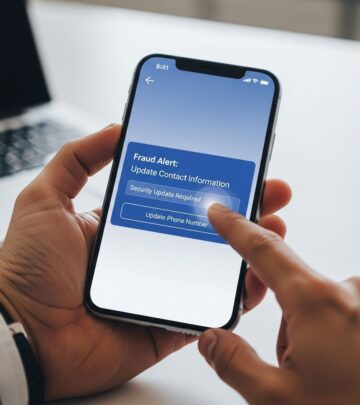
Some brokerages proactively email customers requesting that they establish a trusted contact. If you receive such a communication, verify it actually comes from your financial institution before clicking links or providing information. Exercise caution because scammers sometimes send fraudulent emails mimicking legitimate financial institutions in an attempt to gather personal data.
Regulatory Requirements and Institutional Practices
The trusted contact person designation has become increasingly standardized across the financial services industry, though requirements vary by institution type.
Who Must Offer This Option
Brokerages are required by regulatory standards to ask customers whether they wish to designate a trusted contact. Banks and credit unions are not universally required to offer this option, though many do as a matter of best practice. Regardless of whether your institution requires it, establishing a trusted contact provides meaningful protection.
No Obligation to Designate
You retain complete discretion regarding whether to designate a trusted contact. No financial institution can require you to name one as a condition of maintaining your account. However, given the protective benefits this designation provides, most financial advisors recommend taking advantage of it even though it remains optional.
Protecting Yourself Through Trust Designation
The fundamental value of a trusted contact designation lies in creating a verification mechanism that protects you from financial harm. By authorizing your institution to consult with someone who knows you, you establish a layer of defense against fraud and exploitation.
Defense Against Scams and Fraud
Financial criminals often target account holders who may be less vigilant about unusual transactions or who have cognitive impairments that make them susceptible to social engineering. When your institution can quickly verify suspicious activity with a trusted third party, it can intervene faster and more confidently. Your trusted contact provides independent confirmation that transactions either are or are not authorized, helping institutions distinguish between legitimate account activity and fraudulent use.
Response to Vulnerability Situations
Periods of vulnerability—such as recovery from surgery, experiencing cognitive decline, or managing complex health conditions—create windows of opportunity for those seeking to exploit account holders financially. A trusted contact person can help your institution understand your situation during these difficult periods and determine appropriate protective measures.
Continuity During Life Transitions
Major life changes such as becoming incapacitated, passing away, or moving into assisted living arrangements create administrative challenges for financial institutions. A trusted contact who understands your situation helps facilitate smooth transitions and ensures your accounts are properly managed according to your wishes.
Frequently Asked Questions About Trusted Contacts
Does naming a trusted contact affect my account ownership or control?
No. Designating a trusted contact person does not change who owns your account, does not transfer any control to that person, and does not create any legal relationship. You retain complete authority over your account.
Can I change or remove my trusted contact at any time?
Yes. You can contact your financial institution at any time to add, change, or remove your trusted contact information. There are no restrictions or penalties associated with making changes.
What if my trusted contact becomes unavailable?
You should update your trusted contact designation if the person you named can no longer serve in that capacity. Naming multiple trusted contacts provides protection against this situation.
Will my trusted contact know when my institution reaches out?
Your institution will contact your designated person when they have specific concerns requiring verification. The trusted contact will become aware they have been contacted, though they may not know the specific reason if your institution deems the information sensitive.
How is my privacy protected when my institution contacts my trusted contact?
Financial institutions disclose only information reasonably necessary for the specific protective purpose at hand. Your institution will not share your complete financial picture or all account details with your trusted contact unless required for the verification being sought.
Conclusion
Designating a trusted contact person represents a proactive step toward protecting your financial accounts from fraud, exploitation, and mismanagement during emergencies or periods of vulnerability. This designation costs nothing, requires minimal effort to establish, and can provide substantial protection when your institution needs to verify your situation or reach you during critical moments. Given the growing sophistication of financial fraud and the increasing prevalence of exploitation targeting vulnerable account holders, taking advantage of this protective mechanism aligns with sound financial management practices. Contact your bank, credit union, or brokerage today to designate a trusted contact and strengthen the security surrounding your accounts.
References
- What Is a “Trusted Contact Person” for Financial Accounts? — Experian. 2025. https://www.experian.com/blogs/ask-experian/what-is-trusted-contact-person-for-financial-accounts/
- What Does It Mean to Designate a Trusted Contact or a Client Advocate? — Cassaday. https://cassaday.com/designate-a-trusted-contact-or-client-advocate/
- Trusted Contacts: Why They’re Important and 5 Reasons to Have One — Bankers Life. https://www.bankerslife.com/insights/personal-finance/trusted-contacts-why-theyre-important-and-5-reasons-to-have-one/
- Trusted Contact — NASAA (North American Securities Administrators Association). https://www.nasaa.org/investor-education/investor-library/trusted-contact/
- Trusted Contact Person — BAC Community Bank. https://www.bankbac.com/personal/services/trusted-contact-person.html
- Trusted Contacts and Beneficiaries — CoreBridge Financial. https://www.corebridgefinancial.com/insights-education/trusted-contacts-and-beneficiaries
- What is a Trusted Contact Person? — RBC Wealth Management. https://ca.rbcwealthmanagement.com/documents/1754802/1754818/tcp_navigator.pdf/75fc4639-f679-495f-bc88-a34e14ece3b7
Similar Articles








Read full bio of Sneha Tete