Trump’s Tariff Dividends: Real Relief or Empty Promise?
Unpacking President Trump's $2,000 tariff rebate proposal: feasibility, economic impacts, and what it means for your wallet in 2026.

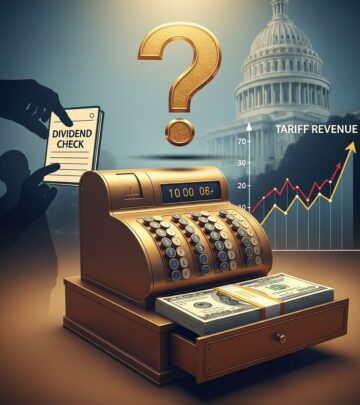
President Donald Trump’s proposal to distribute $2,000 ‘tariff dividend’ checks to Americans has sparked widespread debate. Funded by revenues from new import taxes, this idea aims to offset consumer costs while promoting domestic manufacturing. However, economic analyses and legal hurdles raise doubts about its viability.
The Origins of the Tariff Dividend Concept
Trump first floated the tariff dividend during his 2025 campaign and reiterated it in cabinet meetings. He claimed tariffs on imports, especially from China and other nations, generate massive revenue—potentially trillions—that could be rebated directly to citizens. In a December 2025 address, he described it as a way to replace income taxes with foreign-paid duties, easing burdens on American families.
The core pitch: Tariffs protect U.S. jobs by making foreign goods pricier, encouraging companies to produce domestically. Revenue from these taxes would then flow back as checks, similar to COVID-era stimulus but tied to trade policy. Trump suggested bypassing Congress via executive action, though experts note direct payments historically require legislative approval.
Breaking Down the Numbers: Can Tariffs Fund $2,000 Checks?
Federal Treasury data shows tariffs imposed under Trump’s emergency powers collected over $133 billion by late 2025. Projections for 2026 estimate $207.5 billion, per the Tax Foundation. A $2,000 payout to every adult American would cost around $450-600 billion, exceeding expected revenues and clashing with deficit reduction goals.
| Year | Projected Tariff Revenue | Cost of $2,000 per Household | Shortfall |
|---|---|---|---|
| 2025 | $158.4B | $500B+ | $341.6B |
| 2026 | $207.5B | $500B+ | $292.5B |
This table illustrates the gap. Democrats on the Joint Economic Committee calculated tariffs cost households $1,198 on average from February to November 2025, based on Treasury and Goldman Sachs data. Consumers, not foreign governments, bear most costs through higher prices.
Supreme Court Ruling Shakes Up Tariff Plans
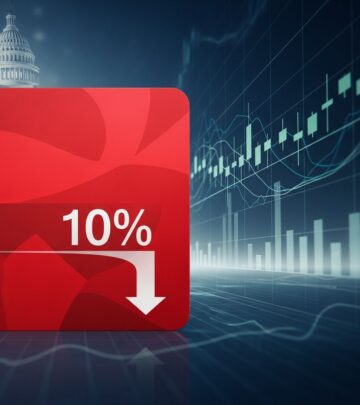
In February 2026, the Supreme Court struck down Trump’s global tariffs in a 6-3 decision, ruling they exceeded authority under the International Emergency Economic Powers Act (IEEPA). This invalidated billions in collections, prompting refund discussions. Trump responded with an executive order for 10% tariffs under Section 122 of the Trade Act, limited to 150 days without Congress.
The ruling has fueled Democratic legislation. Senators Edward Markey and Jeanne Shaheen’s Tariff Refund Act mandates refunds of IEEPA tariffs within 180 days, prioritizing small businesses. House bills like the RELIEF Act propose automatic refunds without applications. These target $175 billion in ‘illegal’ taxes, potentially benefiting importers and consumers indirectly.
Who Pays for Tariffs? The Real Economic Impact
Economic consensus holds that U.S. importers pay tariffs, passing costs to consumers via price hikes. Penn Wharton estimates $189 billion in 2025 revenue, projecting $2.2 trillion over a decade if sustained. Yet, retaliatory tariffs from trading partners could shrink this.
- Consumers: Higher prices on electronics, clothing, and autos—up to $1,200 per household annually.
- Businesses: Small firms struggle with compliance; larger ones absorb or pass on costs.
- Economy: Potential job gains in manufacturing offset by losses elsewhere; inflation risks rise.
FedEx’s lawsuit against Trump tariffs highlights logistics burdens, which could mean delays and surcharges for everyday shipments.
Scams Exploiting Tariff Hype
As buzz grows, fraud surges. Texts and emails promise ‘$2,000 tariff payouts’ via shady links, mimicking IRS formats. State officials warn against sharing data or paying fees—legitimate payments come directly from government, not third parties.
Examples include ‘Major Gross Profit’ emails urging clicks for ‘iff payouts.’ PolitiFact and fact-checkers confirm no such program exists; Trump’s January 2026 press conference reaffirmed intent but provided no timeline.
Potential Paths Forward for Rebates
Trump eyes 15% global tariffs via Section 122, but congressional approval looms. If revenues hit projections, partial dividends might emerge, perhaps $500-1,000 per person. Full $2,000 checks would demand spending cuts or debt financing.
Andrew Yang’s past UBI advocacy echoes here, but scale differs. Without details, it’s speculative. Importers could see refunds if courts mandate, trickling to consumers via lower prices.
Comparing Tariff Dividends to Past Stimulus
| Program | Amount per Adult | Funding Source | Congressional Approval | Status |
|---|---|---|---|---|
| COVID Stimulus (2020-21) | $1,400 | Deficit Spending | Yes | Delivered |
| Tariff Dividend (Proposed) | $2,000 | Tariff Revenue | Unclear | Pending |
| Tariff Refunds (Bills) | Varies | Collected Tariffs | Pending | Legislative |
Past checks required bipartisan laws; tariffs face opposition from free-trade Republicans and Democrats.
What Should You Do Now?
Monitor official IRS and Treasury announcements. Avoid scam links. Track prices on imported goods—budget for potential hikes. Small business owners: Document tariff costs for possible refunds.
If rebates materialize, expect direct deposit for prior stimulus recipients or paper checks. No fees or third-party claims needed.
Frequently Asked Questions
Will I get a $2,000 tariff check in 2026?
No confirmed program exists. Trump’s proposal lacks details and funding; revenues fall short.
Who pays tariffs—China or Americans?
U.S. importers and consumers primarily bear costs via higher prices.
Can Trump send checks without Congress?
Direct payments typically need authorization; executive options limited.
Are tariff refund bills likely to pass?
Uncertain; partisan divide persists post-Supreme Court ruling.
How to spot tariff scams?
Ignore unsolicited links promising payouts; check IRS.gov only.
Long-Term Trade Policy Implications
Tariffs reshape global supply chains, boosting some U.S. sectors while hurting others. Trump’s vision: Revenue replaces taxes, fostering self-reliance. Critics warn of inflation, slower growth. As 2026 unfolds, court battles and midterms will decide.
Households face choices: Stock up pre-tariff or advocate for refunds. The dividend dream hinges on politics and math aligning—neither guaranteed.
References
- 2026 $2,000 Trump Stimulus Check Update: Is the Tariff Stimulus Money on the Way? — Northeastern University CSSH / 19Fortyfive. 2026-01. https://cssh.northeastern.edu/2026-2000-trump-stimulus-check-update-is-the-tariff-stimulus-money-on-the-way/
- Will You Get a Trump Tariff Refund in 2026? Here’s What to Know — Kiplinger. 2026. https://www.kiplinger.com/taxes/will-you-get-a-trump-tariff-refund
- Stimulus payment March 2026, IRS direct deposit relief, tariff dividend tax refund fact check — FOX 5 DC. 2026-03. https://www.fox5dc.com/news/stimulus-payment-march-2026-irs-direct-deposit-relief-tariff-dividend-tax-refund-fact-check
- Fact check: Did Trump issue a $2,000 ‘tariff dividend’ and do … — WRAL. 2026-01. https://www.wral.com/news/state/fact-check-trump-2000-tariff-dividend-jan-2026/
Similar Articles








Read full bio of Sneha Tete