Truman State University: Missouri’s Premier Public Liberal Arts Institution
Discover Truman State University: Top-ranked liberal arts education with affordability and excellence.
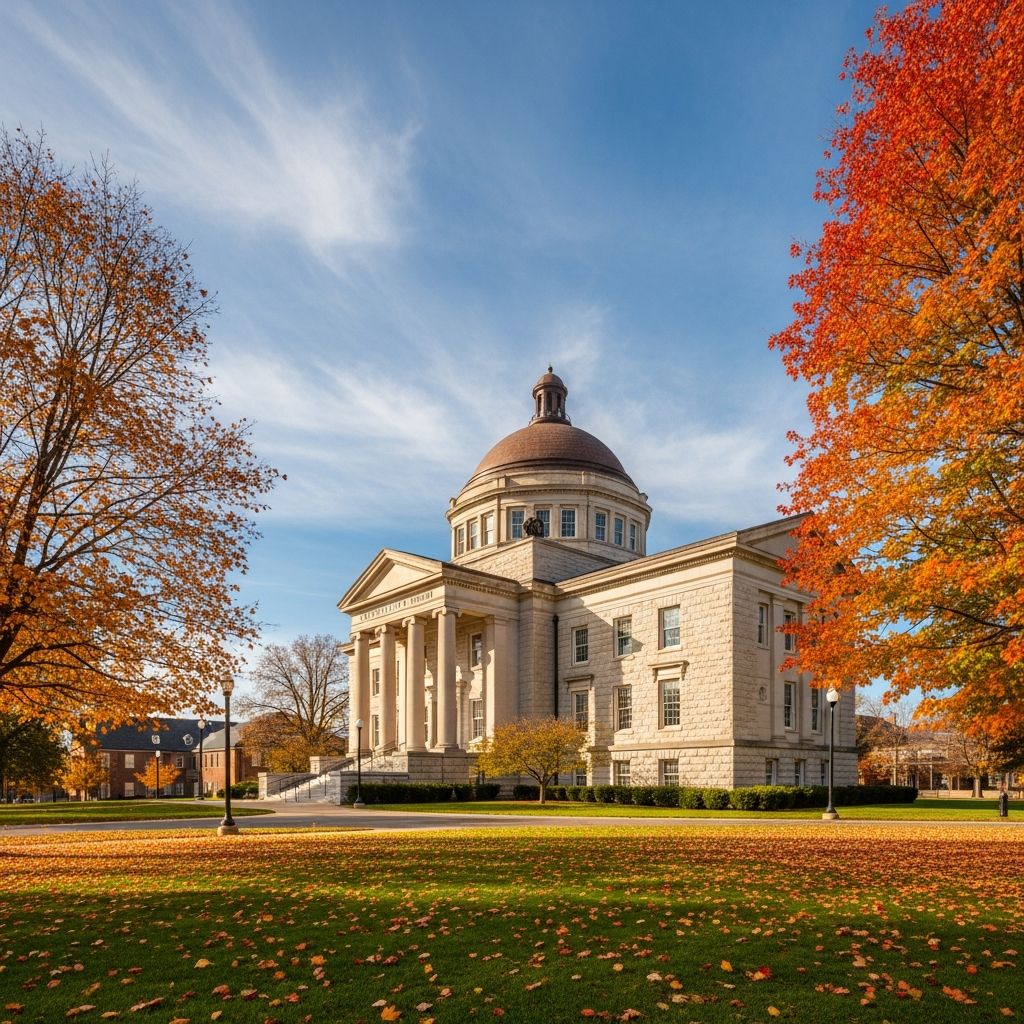
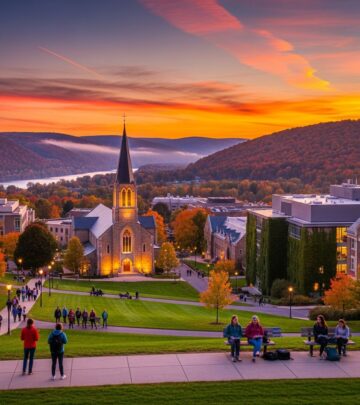
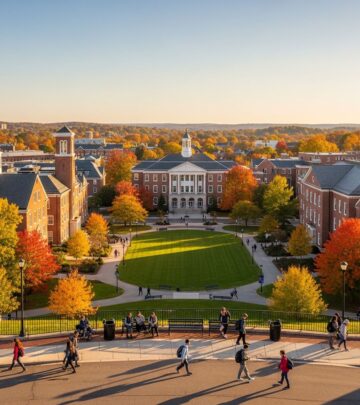
Truman State University stands as Missouri’s only statewide public liberal arts and sciences university, establishing itself as a distinctive institution in American higher education. Located in Kirksville, Missouri, Truman has cultivated a reputation for combining rigorous liberal arts education with specialized programming and high-impact experiential learning opportunities. As a student-centered university, Truman places academic excellence and personal development at the heart of its mission, creating an environment where intellectually engaged students from Missouri and around the world can thrive.
Academic Excellence and Rankings
Truman State University consistently earns recognition from leading educational ranking organizations, reflecting its commitment to academic quality and student success. In recent rankings, U.S. News & World Report placed Truman fifth among Midwest Regional Universities, while Washington Monthly ranked the institution No. 12 among master’s universities nationwide. These accolades underscore the university’s dedication to providing an exemplary educational experience that prepares graduates for success in an increasingly complex world.
The institution’s reputation extends beyond traditional rankings. Truman has earned recognition from multiple prestigious publications including Consumers Digest, Kiplinger’s Personal Finance, Forbes, and College Consensus for offering high-quality education at accessible and affordable prices. This combination of excellence and affordability positions Truman as a unique value in the higher education landscape, particularly for students seeking a rigorous liberal arts education without excessive financial burden.
Distinctive Academic Programs and Structure
Truman’s academic offerings are organized within three comprehensive schools that house diverse departments and programs:
School of Arts and Humanities
The School of Arts and Humanities encompasses departments dedicated to creative and intellectual pursuits. This school houses the departments of Art and Design, Communication and Theatre Arts, English, Languages and Linguistics, Music, and Social Sciences and Human Inquiry. Students can pursue degrees in Art, Classics, Communication, Creative Writing, Criminal Justice Studies, English, History, Linguistics, Modern Language, Music, Philosophy and Religion, Political Science and International Relations, Sociology and Anthropology, and Theatre. This comprehensive range of programs enables students to develop sophisticated communication skills, cultural understanding, and critical thinking abilities essential for leadership in diverse professional fields.
School of Science and Mathematics
The School of Science and Mathematics prepares students for careers in STEM fields and research-oriented disciplines. The school includes departments of Agricultural and Biological Sciences, Computer and Data Sciences, Health Science, Mathematics, and Physical Sciences. Degree programs span Agricultural Science, Biochemistry and Molecular Biology, Biology, Chemistry, Computer Science, Data Science, Health Science, Mathematics, Physics, and Statistics. Notably, Truman offers Missouri’s only undergraduate interdisciplinary degree program in mathematical biology, which provides connections and resources through the Intercollegiate Biomathematics Alliance. Additionally, the school coordinates the Missouri Pre-STEM Pathways Program in partnership with Moberly Area Community College, Metropolitan Community College, and St. Charles Community College.
School of Business and Professional Studies
The School of Business and Professional Studies prepares students for careers in business, management, and professional sectors. This school combines theoretical knowledge with practical application, ensuring graduates possess the skills and competencies demanded by modern employers.
Campus Facilities and Learning Environment
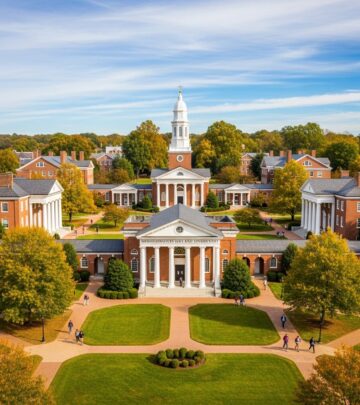
Truman’s campus infrastructure supports the university’s commitment to academic excellence and student development. Seven main academic buildings provide specialized facilities for different disciplines. Magruder Hall serves as the science building, housing the departments of Chemistry, Physics, Biology, and Agriculture, equipped with modern laboratories and research facilities. McClain Hall functions as both an administrative and academic building, with classroom and office space for Classical & Modern Languages, Economics, English & Linguistics, History, Philosophy & Religion, and Political Science. These facilities reflect Truman’s investment in creating an environment conducive to learning, research, and intellectual collaboration.
Student Demographics and Enrollment
Truman State University serves a diverse student population reflecting both regional and global perspectives. In fall 2024, the university enrolled 3,664 students pursuing degrees in 55 undergraduate and twelve graduate programs. The student body composition reflects Truman’s commitment to accessibility and diversity:
| Demographic Category | Percentage |
|---|---|
| Female Students | 59.9% |
| Male Students | 40.1% |
| Missouri Residents | 64.3% |
| Minority Students | 11.0% |
| Non-Resident Aliens | 7.2% |
| International Students | 49 countries represented |
This diverse enrollment profile demonstrates Truman’s appeal as both a regional institution serving Missouri students and a global university attracting international scholars.
Admissions Selectivity and Student Quality
Truman maintains rigorous admissions standards while remaining accessible to well-qualified students. According to the Princeton Review, Truman has a selectivity rating of 90 out of 99 with an 80% acceptance rate, indicating that while the university is selective, it provides opportunities for diverse qualified applicants. This selectivity reflects Truman’s commitment to enrolling intellectually engaged and academically prepared students who will thrive in the university’s rigorous liberal arts environment.
Student Success Metrics and Outcomes
Truman’s commitment to student success is reflected in impressive retention and graduation rates. In 2023, Truman achieved an 83.5% freshman retention rate, indicating strong student satisfaction and academic engagement. The university’s four-year graduation rate of 57% exceeds national averages for public institutions, demonstrating the effectiveness of Truman’s student support systems and academic programs. These metrics underscore Truman’s student-centered approach, where every aspect of the student journey is designed to fulfill individual needs and unlock potential.
Mission and Vision: Shaping Future Leaders
Truman State University’s mission centers on offering exemplary undergraduate education to well-prepared students grounded in liberal arts and sciences within a public institution framework. The university provides affordable undergraduate studies in traditional arts and sciences alongside selected pre-professional, professional, and master’s-level programs that naturally extend the liberal arts philosophy.
The university’s vision extends beyond classroom instruction. Truman aims to develop educated citizens capable of protecting democracy and offering creative solutions to local, state, national, and global problems. Through transformative experiences fostering critical thought, daring imagination, and empathetic understanding, Truman graduates emerge as citizen-leaders committed to service and capable of thriving in advanced, technical, and multicultural environments.
Commitment to Affordability and Access
In an era of rising education costs, Truman State University distinguishes itself through its commitment to affordability without compromising quality. The university’s tuition structure and financial aid offerings make high-quality liberal arts education accessible to students from diverse economic backgrounds. This commitment to affordability, combined with the university’s academic reputation, positions Truman as an exceptional value in higher education. Students consistently report high satisfaction with their educational investment, recognizing the long-term return on their investment in a Truman education.
Faculty Engagement and Student-Centered Approach
Truman’s educational philosophy emphasizes close student-faculty relationships and personalized attention. With a 13:1 student-to-faculty ratio, professors know students by name and actively support their intellectual and personal development. This intimate learning environment enables meaningful mentorship, collaborative research opportunities, and individualized guidance essential for student success. Faculty members serve not merely as content deliverers but as mentors, advisors, and advocates invested in each student’s unique journey.
Interdisciplinary and Experiential Learning
Truman combines foundational skills in critical thinking, teamwork, writing, speaking, and problem-solving with strong specialized majors to develop versatile thinkers and proactive doers. The curriculum deliberately integrates experiential learning opportunities, enabling students to apply theoretical knowledge to real-world challenges. Whether through research projects, internships, service learning, or capstone courses, Truman students engage in high-impact practices that prepare them for meaningful careers and engaged citizenship.
Assessment, Accountability, and Continuous Improvement
Truman is nationally recognized for its comprehensive assessment program designed to measure student learning and outcomes. This commitment to assessment and accountability ensures continuous improvement in academic programs and student services. The university’s rigorous evaluation of educational effectiveness demonstrates institutional commitment to delivering on its promise of educational excellence.
Historical Context and Strategic Evolution
Truman’s evolution reflects intentional strategic decisions aligned with its liberal arts mission. Originally founded as a teacher training institution in 1867, the university underwent significant transformation. In 1985, Governor John Ashcroft signed legislation designating Truman as Missouri’s only statewide public liberal arts and sciences university, marking a pivotal moment in institutional history. This designation, formalized through the 1996 name change to Truman State University, established a clear institutional identity and mission focus. As part of this transformation, nearly 100 programs were dropped over six years to ensure all offerings supported the liberal arts mission.
Recognition and Accolades
Beyond academic rankings, Truman has earned numerous accolades reflecting its educational quality and value proposition. The institution has been recognized as the No. 1 Public School in the Midwest by U.S. News and World Report and No. 3 Best Value Colleges and Universities by College Consensus. These recognitions affirm Truman’s position as a premier institution combining academic excellence with financial accessibility.
Frequently Asked Questions
Q: What makes Truman State University unique among public universities?
A: Truman is Missouri’s only statewide public liberal arts and sciences university, offering a distinctive curriculum that combines foundational liberal arts principles with specialized programming and high-impact experiential learning. This unique positioning differentiates Truman from traditional research universities and comprehensive state universities.
Q: How affordable is a Truman State University education?
A: Truman consistently ranks among the best value colleges in the nation, offering high-quality education at accessible prices. The university has earned recognition from multiple publications including Kiplinger’s Personal Finance, Consumers Digest, and College Consensus for affordability combined with academic quality.
Q: What is the typical student-to-faculty ratio at Truman?
A: Truman maintains a 13:1 student-to-faculty ratio, enabling close mentoring relationships and personalized attention. This intimate learning environment supports meaningful faculty-student interaction essential for academic and personal development.
Q: How selective is the admissions process at Truman?
A: Truman has a selectivity rating of 90 out of 99 with an 80% acceptance rate, indicating rigorous but accessible admissions. The university enrolls well-prepared, intellectually engaged students while maintaining commitment to access and diversity.
Q: What graduate programs does Truman offer?
A: Truman offers 12 master’s degree programs and 2 graduate certificates, complementing its strong undergraduate offerings. These graduate programs naturally extend the university’s liberal arts philosophy and values.
Q: How do Truman graduates perform after graduation?
A: Truman graduates achieve strong career outcomes and pursue advanced education at prestigious institutions. The university’s emphasis on critical thinking, problem-solving, and experiential learning prepares graduates for success in diverse professional fields and advanced study.
References
- Truman State University — Wikipedia. Accessed November 2025. https://en.wikipedia.org/wiki/Truman_State_University
- Facts About Truman — Truman State University Official Website. https://www.truman.edu/about/facts-about-truman/
- 2021-2025 Strategic Plan — Truman State University. https://www.truman.edu/wp-content/uploads/2021/07/StrategicPlan21-25.pdf
- About Truman State University — Truman State University Official Website. https://www.truman.edu/about/
- At a Glance — Truman State University Official Website. https://www.truman.edu/about/facts-about-truman/at-a-glance/
- Explore Our Academics — Truman State University Official Website. https://www.truman.edu
Similar Articles








Read full bio of medha deb