True Expenses of Electric Vehicle Ownership
Uncover the full financial picture of buying and owning an EV, from upfront costs to long-term savings in 2026.
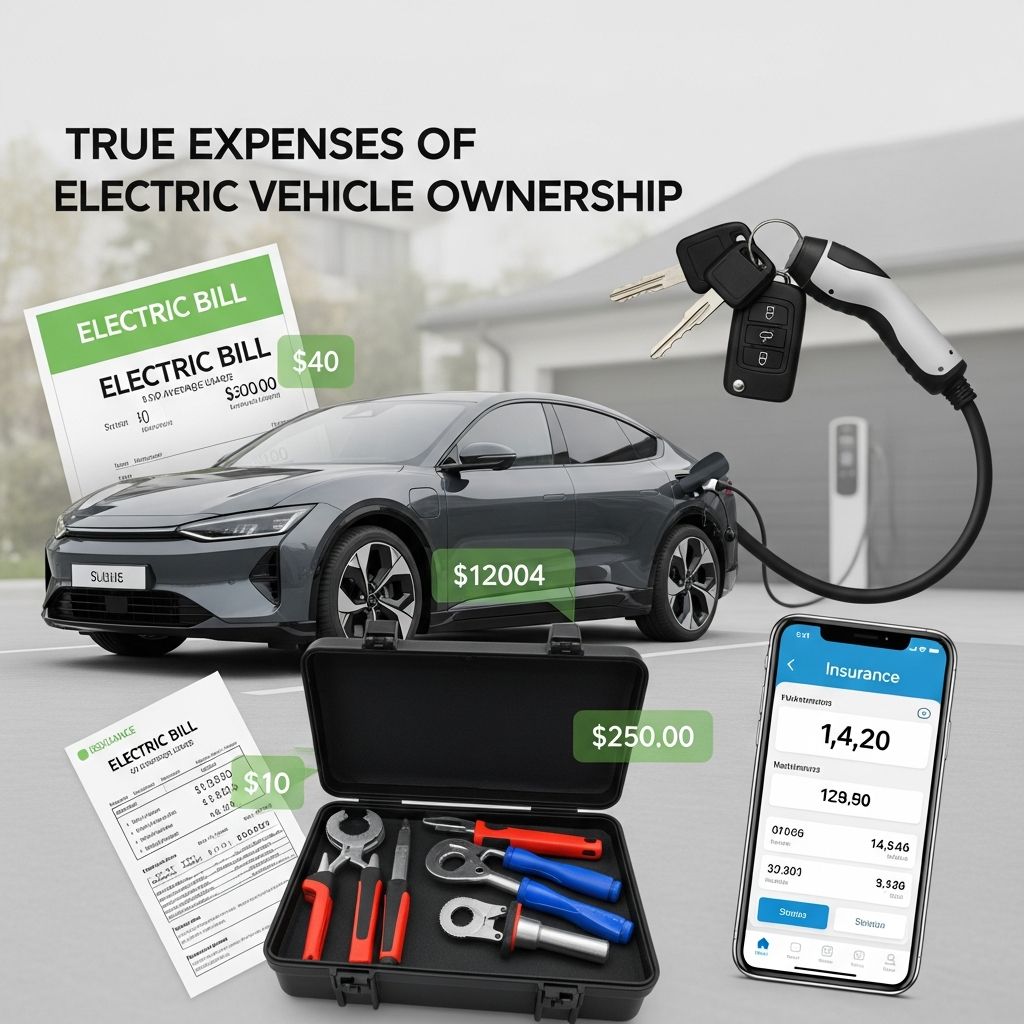
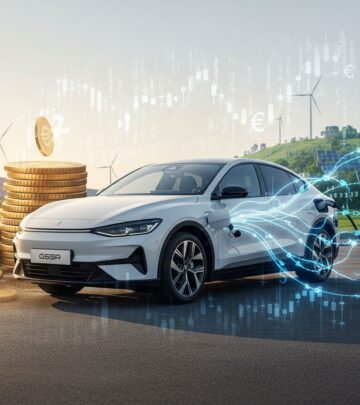
Electric vehicles (EVs) have transformed the automotive landscape, promising cleaner driving and potential cost benefits. However, the initial sticker price often deters buyers. This article delves into the comprehensive financial realities of EV ownership, examining purchase costs, daily operations, incentives, and long-term value to help you decide if an EV fits your budget.
Upfront Purchase Prices and Market Trends
The higher initial cost of EVs stems from advanced battery technology and production complexities. In 2026, average EV prices hover around $40,000-$50,000, compared to $25,000-$35,000 for comparable gas models. Battery packs, which can cost $10,000-$20,000 alone, drive this premium, though economies of scale are reducing gaps as production ramps up.
Government incentives play a pivotal role. While federal tax credits phased out in late 2025, state rebates and salary sacrifice schemes in regions like the UK offer substantial offsets. For instance, Benefit-in-Kind (BiK) tax rates for EVs remain at 3-4%, far below gas cars at 20-37%. Used EVs present even better value, with studies showing the lowest lifetime costs due to depreciated prices and reliable batteries.
Daily Operating Costs: Fuel Versus Charging
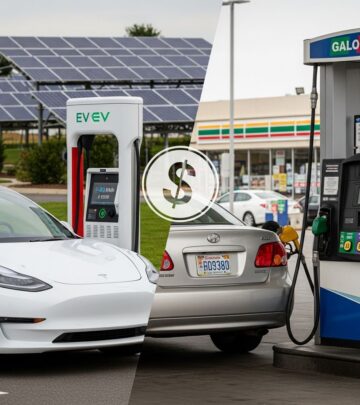
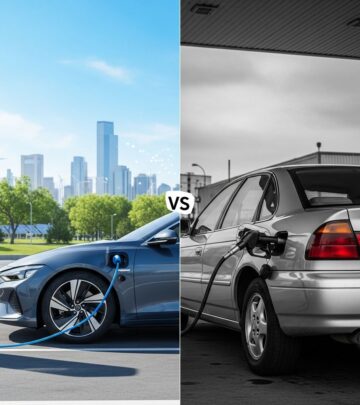
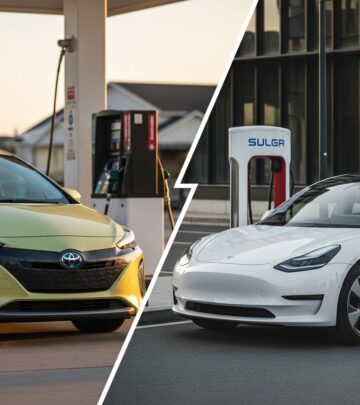
One of EVs’ strongest suits is lower fueling expenses. Home charging costs $0.11-$0.41 per kWh nationally, averaging $0.17/kWh in 2025 data. For a typical EV with 3-4 miles per kWh efficiency, this translates to $0.04-$0.06 per mile—half the $0.12-$0.15 per mile for gas at $3.50/gallon and 30 mpg.
Monthly, EV drivers spend $30-$60 on electricity for 1,000 miles, versus $150+ on gas. Public fast-charging is pricier at $0.50/kWh or $0.13-$0.17 per mile, but most owners charge 88% at home. Time-of-use rates can further slash bills by charging off-peak.
| Charging Type | Cost per kWh | Cost per Mile (3.5 mi/kWh) |
|---|---|---|
| Home (Average) | $0.17 | $0.05 |
| Public Fast-Charge | $0.50 | $0.14 |
| Gas Equivalent (30 mpg, $3.50/gal) | N/A | $0.12 |
Maintenance and Repair Realities
EVs shine in maintenance savings due to fewer moving parts—no oil changes, transmissions, or exhaust systems. Annual costs average 30-50% less: $495 over 3 years for an EV versus $615 for gas. Regenerative braking extends brake life, and software updates replace many mechanical services.
Battery replacement is a common concern, but warranties cover 8-10 years/100,000 miles, with degradation under 10-20% typically. Out-of-warranty swaps cost $5,000-$15,000 but are rare before 200,000 miles.
Insurance Premiums and Risk Factors
EV insurance runs 10-20% higher, averaging $442 more annually than gas cars, due to repair costs for batteries and specialized technicians. Higher vehicle values contribute, though the gap narrows with experience. Shop multiple quotes, as safe driving records can mitigate differences.
Taxes, Fees, and Road Charges
EV perks include zero or low road tax in many areas—£0 for pre-2025 UK registrations, £10-£195 after. However, states like Texas impose $200-$400 annual fees to offset lost gas taxes. Over 10 years, these add up but are often matched by gas tax equivalents.
Depreciation and Resale Value Dynamics
EVs depreciate faster initially—up to 40% in 3 years versus 30% for gas—due to tech advances. A $40,000 VW ID.3 might lose $16,000 in 3 years. Leasing or salary sacrifice avoids this risk, bundling maintenance and insurance. Used market stabilization in 2026 favors buyers.
Total Cost of Ownership Breakdown
Total Cost of Ownership (TCO) reveals EVs’ edge over 5-10 years. TCO factors purchase/lease, fuel/charging, maintenance, insurance, taxes, and depreciation.
3-Year TCO Example (10,000 miles/year):
| Category | Gas Ford Focus ($25k) | EV Owned ($40k) | EV Salary Sacrifice |
|---|---|---|---|
| Fuel/Charging | $4,350 | $2,340 | Included |
| Maintenance | $615 | $495 | Included |
| Insurance | $1,800 | $2,100 | Included |
| Tax/Fees | $540 | $0 | Included |
| Depreciation/Lease | $10,000 | $16,000 | $14,400 |
| Total | $17,305 | $20,935 | $14,400 |
| Cost per Mile | $0.58 | $0.70 | $0.48 |
Data adapted from 2026 analyses. Salary sacrifice yields $2,905 savings vs. gas.
5-Year TCO: Gas: $32,725; Owned EV: $42,325; Salary Sacrifice EV: $24,000. Savings: $8,725. Over 10 years, EV fuel savings alone hit $7,523. AAA notes 8% higher overall but lower long-term fuel/maintenance. Used EVs offer the best TCO.
Home Charging Setup Expenses
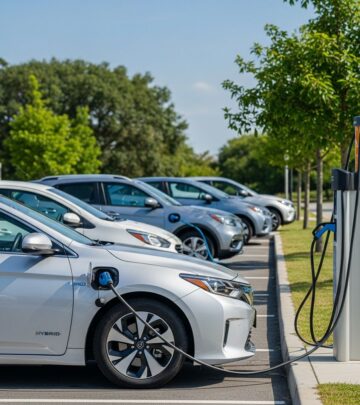
Level 2 charger installation averages $500-$1,300, depending on wiring. Incentives from utilities can cover half. Older homes may need panel upgrades ($2,000+), so consult electricians early.
Incentives and Financing Options
Post-2025, focus on state programs, corporate leases, and salary sacrifice. UK BiK at 4% from April 2026 saves thousands for company drivers. Financing rates favor EVs with green loans.
Environmental and Lifestyle Factors
Beyond dollars, EVs cut emissions 50-70% and offer quieter rides, home fueling convenience. High-mileage drivers save most—up to $200/month.
Frequently Asked Questions
How much to charge an EV monthly? $30-$60 at home for average use.
Are EVs cheaper long-term? Yes, especially leased or used, per TCO studies.
EV battery replacement cost? $5k-$15k, rarely needed.
Why higher EV insurance? Repairs and value; shop around.
Best EV buying strategy? Lease/salary sacrifice to minimize depreciation.
References
- Why Are Electric Cars More Expensive? True Cost Analysis 2026 — Electric Car Scheme. 2026. https://www.electriccarscheme.com/blog/why-are-electric-cars-more-expensive
- The True Cost of Owning an Electric Vehicle: What You Need to Know — Car and Driver. 2025-03. https://www.caranddriver.com/shopping-advice/a65172065/owning-an-electric-vehicle-true-costs/
- The Electric Vehicle vs Gas Calculator – See Savings in 2026 — Coltura. 2026. https://coltura.org/ev-vs-gas-calculator/
- EVs still have the lowest total cost of ownership — Plug In America. 2025-10. https://pluginamerica.org/evs-still-have-the-lowest-total-cost-of-ownership/
- Used EVs currently offer car buyers lowest lifetime cost of ownership — University of Michigan News. 2026. https://news.umich.edu/used-evs-currently-offer-car-buyers-lowest-lifetime-cost-of-ownership/
- True cost of EV ownership — AAA. 2025. https://www.ace.aaa.com/automotive/advocacy/true-cost-of-electric-vehicle-ownership.html
Similar Articles








Read full bio of medha deb