Trendline: Definition, Uses, and Trading Applications
Master trendline analysis for effective technical trading strategies and market forecasting.
Understanding Trendlines: A Complete Guide for Traders
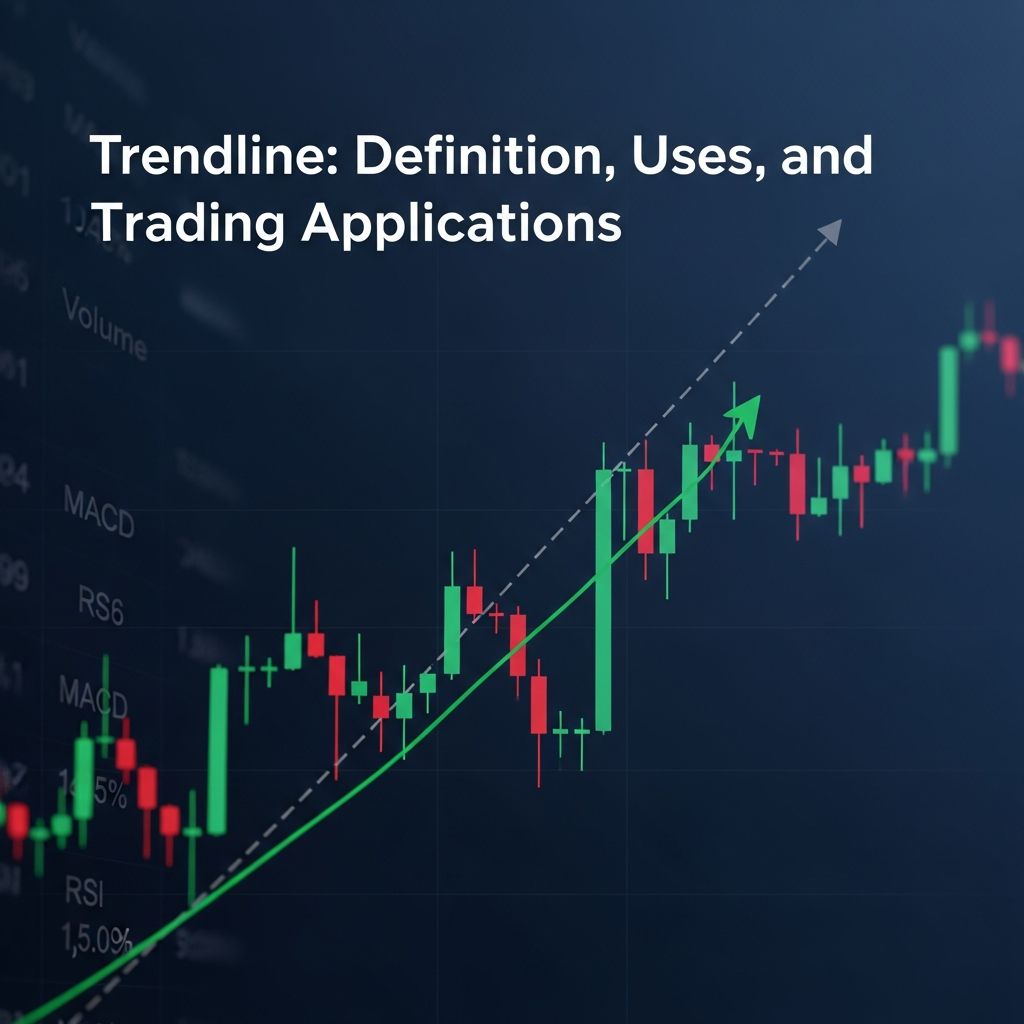
A trendline is a fundamental tool in technical analysis that connects a series of price points on a chart to visualize the direction and momentum of a security’s price movement. Traders and investors use trendlines to identify the general trajectory of an asset’s value over time, helping them make more informed decisions about buying, selling, or holding positions. Whether you’re a seasoned investor or just beginning to explore the financial markets, understanding trendlines is essential for developing a robust trading strategy.
Trendlines serve as visual representations of market sentiment and can reveal patterns that might not be immediately apparent when examining raw price data. By drawing lines that connect significant price points—either highs or lows—traders can establish a framework for understanding market behavior and predicting potential future price movements.
What Is a Trendline?
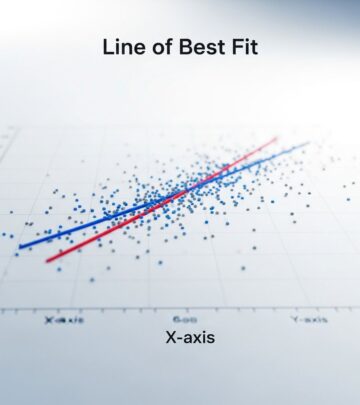
A trendline is a straight line drawn on a price chart that connects two or more price points, typically used to represent the general direction of a security’s price movement. The primary purpose of a trendline is to help traders identify the overall trend and determine potential support and resistance levels. When prices consistently align with or bounce off a trendline, it suggests the line accurately represents the underlying trend.
Trendlines can be categorized into three main types based on the direction of the market:
- Uptrend Trendlines: These connect a series of higher lows, indicating an overall upward price movement where buyers are in control and sentiment is positive.
- Downtrend Trendlines: These connect a series of lower highs, indicating a downward price movement where sellers have the advantage and market sentiment is negative.
- Sideways/Horizontal Trendlines: These represent periods of consolidation where prices move within a defined range, suggesting equilibrium between buyers and sellers.
How to Draw and Use Trendlines
Drawing an effective trendline requires careful analysis and understanding of market structure. The process involves identifying significant price points and connecting them with a straight line. Here’s a comprehensive approach to drawing trendlines:
Steps for Drawing Trendlines
- Identify Key Price Points: Begin by identifying at least two significant price levels. For uptrend trendlines, select higher lows; for downtrend trendlines, select lower highs. Multiple points that align with the same line strengthen the validity of the trendline.
- Connect the Points: Draw a straight line through these points, ensuring the line passes through as many relevant price points as possible without cutting through price action in ways that contradict the trend.
- Verify the Trend: A valid trendline should have at least three touch points or instances where price interacts with the line. The more times price touches or bounces off the trendline, the more reliable it becomes.
- Monitor for Breaks: Watch for price action that clearly violates the trendline. A decisive break through a well-established trendline often signals a potential trend reversal or shift in market dynamics.
Best Practices for Trendline Application
To maximize the effectiveness of trendlines in your trading strategy, consider the following best practices:
- Use multiple timeframes to confirm trendlines and identify higher-probability trading opportunities.
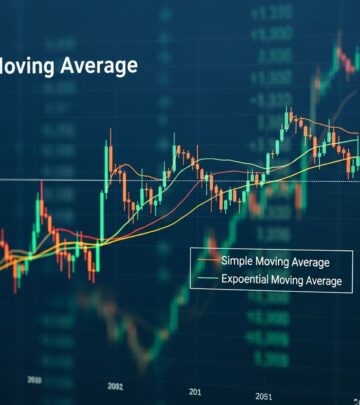
- Combine trendlines with other technical indicators such as moving averages, support and resistance levels, and oscillators.
- Recognize that trendlines are not absolute predictions but rather tools that reflect current market structure and sentiment.
- Adjust trendlines as new price data emerges, ensuring they remain relevant and representative of current market conditions.
- Be cautious of false breakouts where price briefly moves through a trendline before reversing back.
Types of Trendlines and Their Characteristics
Different types of trendlines serve different purposes and are applicable in various market conditions. Understanding these variations helps traders select the most appropriate tool for their analysis:
Uptrend Trendlines
Uptrend trendlines are drawn by connecting a series of higher lows. These lines slope upward from left to right and indicate that buyers are in control of the market. When price bounces off an uptrend trendline, it suggests strong buying interest at that level. Breaking above a resistance line during an uptrend often signals continued bullish momentum, while a break below the uptrend trendline may indicate a potential trend reversal or weakening of the upward movement.
Downtrend Trendlines
Downtrend trendlines connect a series of lower highs and slope downward from left to right. These lines represent periods when sellers dominate the market and price is consistently declining. Price rejection from a downtrend trendline indicates selling pressure at that level. A break above a downtrend trendline may signal a potential reversal to an uptrend, while a bounce off the line suggests the downtrend remains intact.
Horizontal Trendlines (Support and Resistance)
Horizontal trendlines connect price levels where the market has repeatedly stopped or reversed direction. These lines represent significant psychological price points where buyers and sellers frequently interact. Horizontal trendlines are particularly useful for identifying consolidation zones and predicting potential breakout opportunities.
Trendline Applications in Trading Strategies
Traders employ trendlines in various ways to develop and execute profitable trading strategies. Understanding different applications can help you incorporate trendlines more effectively into your trading plan:
Identifying Trend Reversals
One of the most valuable applications of trendlines is identifying potential trend reversals. When price breaks through a well-established trendline with conviction, it often signals the end of the current trend and the beginning of a new one. Traders monitor these breakouts as potential entry or exit points, depending on their strategy. A strong close beyond a trendline is generally considered more significant than a brief intraday violation.
Setting Stop-Loss and Take-Profit Levels
Trendlines help traders establish logical stop-loss and take-profit levels based on market structure rather than arbitrary percentages. For long positions, many traders place stop-loss orders just below a significant uptrend trendline, while take-profit targets might be set at resistance levels. Conversely, short positions typically employ stop-loss orders above a downtrend trendline with profit targets at support levels.
Confirming Trading Signals
When used in conjunction with other technical indicators, trendlines can confirm trading signals and increase the probability of successful trades. For example, a bullish crossover of moving averages combined with price respecting an uptrend trendline provides stronger confirmation than either signal alone.
Advantages and Limitations of Trendlines
While trendlines are powerful analytical tools, they come with both benefits and limitations that traders should understand:
Advantages
- Visual Clarity: Trendlines provide a clear visual representation of market direction, making it easier to identify trends at a glance.
- Objective Framework: Trendlines offer a structured approach to market analysis, helping traders make decisions based on technical structure rather than emotion.
- Risk Management: Trendlines facilitate the establishment of logical stop-loss and take-profit levels based on market structure.
- Versatility: Trendlines can be applied across different asset classes, timeframes, and market conditions.
- Early Signals: Trendlines can provide early warning signals of potential trend changes before they become obvious to the broader market.
Limitations
- Subjectivity: Different traders may draw trendlines differently based on their interpretation of significant price points, leading to varied conclusions.
- Lag Factor: Trendlines are based on historical price data and may not adapt quickly to rapid market changes.
- False Signals: Price can briefly break through trendlines before reversing, generating false signals that result in whipsaw trades.
- No Predictive Power: Trendlines reflect past price action but cannot guarantee future results.
- Market Gaps: Significant price gaps can render existing trendlines obsolete, requiring traders to redraw their analysis.
Key Differences: Trendlines vs. Moving Averages
| Feature | Trendlines | Moving Averages |
|---|---|---|
| Construction | Straight line connecting price points | Average of prices over a specified period |
| Flexibility | Fixed line once drawn | Automatically adjusts with new price data |
| Subjectivity | Trader interpretation of key points | Objective calculation |
| Trend Direction | Visual representation of slope | Position relative to price |
| Signal Generation | Breakouts and bounces | Crossovers and interactions |
Common Mistakes When Using Trendlines
Even experienced traders can make errors when applying trendlines. Being aware of common pitfalls can help you avoid costly mistakes:
- Over-reliance on a single trendline: Always confirm trendlines with multiple touch points and use them alongside other indicators.
- Forcing price into trendlines: Avoid drawing trendlines that don’t naturally align with significant price action.
- Ignoring broader market context: Consider macroeconomic factors, news events, and market sentiment alongside trendline analysis.
- Failing to update trendlines: As markets evolve, regularly reassess and adjust your trendlines to reflect current conditions.
- Misidentifying trend changes: Distinguish between temporary retracements and actual trend reversals before making trading decisions.
Frequently Asked Questions About Trendlines
Q: What is the minimum number of points needed to draw a valid trendline?
A: While technically two points define a line, a reliable trendline should have at least three touch points where price interacts with or bounces off the line. Additional confirmation points increase the trendline’s validity and predictive value.
Q: How do I know if my trendline is drawn correctly?
A: A properly drawn trendline should connect significant price points without cutting through the middle of price action unnecessarily. Price should respect the line by bouncing off it or breaking through it decisively. If price constantly penetrates your trendline without clear reversals, it may need adjustment.
Q: Can trendlines be used for day trading?
A: Yes, trendlines are effective across multiple timeframes, including intraday charts. However, trendlines on shorter timeframes may generate more false signals. Consider using trendlines in conjunction with other indicators for day trading to improve accuracy.
Q: How often should I redraw my trendlines?
A: Review trendlines regularly as new price data becomes available. Redraw trendlines when price action suggests the trend has changed or when new significant price points emerge that better represent market structure.
Q: Are trendlines more reliable on longer timeframes?
A: Generally, yes. Trendlines on daily, weekly, and monthly charts tend to be more reliable than those on minute or hourly charts because they represent broader market consensus and are less affected by short-term volatility and noise.
Q: What does it mean when price breaks through a trendline?
A: A trendline breakout often signals a change in market momentum or sentiment. However, it’s important to distinguish between a minor penetration (which may represent normal price volatility) and a decisive break (where price closes significantly beyond the line), as only the latter typically indicates a meaningful shift.
References
- Technical Analysis from A to Z: Covers Everything You Need to Know to Trade Every Stock, Bond, and Commodity Market — Steven B. Achelis. Zweig Publications, 2001. https://www.achelis.info/
- Trading Using Fundamental and Technical Analysis — Investopedia’s Educational Resources. 2023. https://www.investopedia.com/terms/t/technicalanalysis.asp
- Charting and Technical Analysis: What is a Trend? — Chartered Market Technician (CMT) Association. 2024. https://www.cmtassociation.org/
- A Random Walk Down Wall Street: The Time-Tested Strategy for Successful Investing — Burton G. Malkiel. W.W. Norton & Company, 2019.
- Understanding Support and Resistance in Trading Markets — U.S. Securities and Exchange Commission Educational Resources. https://www.sec.gov/investor/
Similar Articles








Read full bio of Sneha Tete