Treasury Yields Rising: What’s Driving the 10-Year Bounce
Understanding the economic factors behind the recent resurgence in 10-year treasury yields.

The bond market has experienced significant volatility in recent years, and investors continue to scrutinize movements in the 10-year Treasury yield. After periods of decline, these yields have begun climbing once more, prompting market participants and economists to examine the underlying causes. Understanding what drives these fluctuations is crucial for investors, policymakers, and anyone with exposure to fixed-income securities or economic conditions.
Understanding Treasury Yields and Their Importance
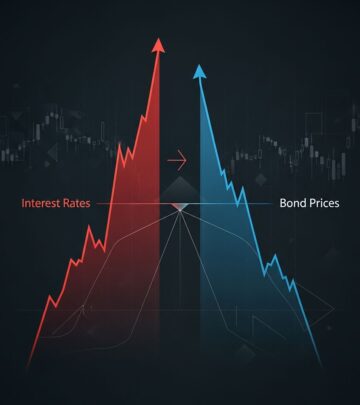
Treasury yields represent the interest rates that investors demand for lending money to the U.S. government. The 10-year Treasury yield, in particular, serves as a benchmark for numerous financial products and economic indicators. When yields rise, bond prices fall, and vice versa. This inverse relationship is fundamental to understanding bond market dynamics.
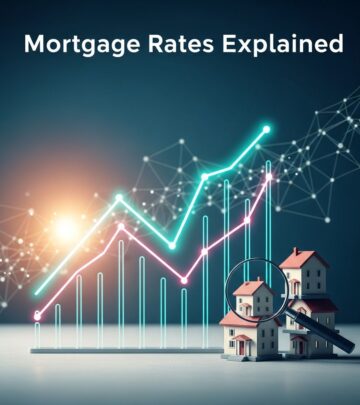
The 10-year Treasury is especially significant because it influences mortgage rates, corporate borrowing costs, and consumer confidence. Many economists and market observers use it as a barometer for economic expectations and inflation concerns. A rise in the 10-year yield often signals that investors anticipate higher inflation, stronger economic growth, or both.
Key Factors Driving Recent Treasury Yield Increases
Inflation Expectations and Price Pressures
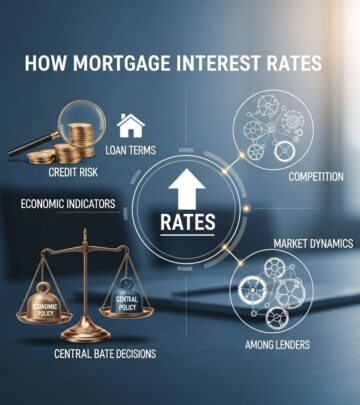
One of the primary drivers of rising 10-year Treasury yields has been elevated inflation expectations. When inflation is perceived as a persistent threat, investors demand higher yields to compensate for the diminished purchasing power of future bond payments. Recent economic data showing sticky inflation rates has reinforced these concerns.
- Consumer price indices have remained elevated relative to historical averages
- Core inflation measures have shown resilience despite Federal Reserve rate increases
- Energy and commodity prices continue to influence overall price pressures
- Labor market strength supports wage growth and inflationary dynamics
Federal Reserve Policy and Interest Rate Expectations
The Federal Reserve’s monetary policy stance significantly influences Treasury yields. When the Fed maintains higher interest rates or signals intentions to keep rates elevated for longer, Treasury yields tend to rise accordingly. Market participants constantly adjust their expectations based on Fed communications and economic data.
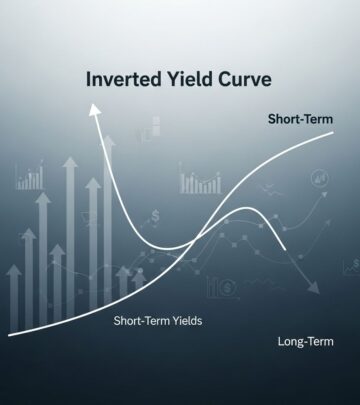
The Fed’s battle against inflation has required maintaining restrictive monetary policy longer than some initially anticipated. This commitment to price stability, while necessary, has kept short-term rates elevated and influenced expectations about the pace and extent of future rate cuts. When investors believe rate cuts will be delayed or limited, they demand higher yields on longer-dated securities like the 10-year Treasury.
Economic Growth Prospects
Stronger economic growth expectations can also push Treasury yields higher. When investors anticipate robust economic expansion, they expect corporations to earn higher profits and demand more capital, which increases competition for investment dollars. In this environment, government bonds must offer more attractive yields to remain competitive.
Recent economic data showing resilient consumer spending, stable employment, and business investment has supported positive growth expectations. This economic strength, even in the face of higher interest rates, has contributed to rising Treasury yields as investors price in continued expansion.
Global Market Conditions and Capital Flows
International economic developments also influence Treasury yields. If investors perceive weakness in other major economies or anticipate geopolitical risks, they may increase demand for U.S. Treasury securities as a safe haven asset. However, conversely, if global growth prospects improve or international yields rise, foreign investors may demand higher yields on U.S. Treasuries to compete with returns available elsewhere.
The relative attractiveness of U.S. assets compared to alternatives in Europe, Asia, and other regions affects capital flows and, consequently, Treasury yields. Strong international demand for Treasuries can actually suppress yields, while reduced foreign interest can push yields higher.
Market Sentiment and Risk Premium Considerations
Treasury yields also reflect broader risk sentiment in financial markets. During periods of market uncertainty or elevated volatility, investors often seek the safety of government bonds, which can suppress yields. Conversely, when risk appetite improves and investors feel confident about economic prospects, they may move away from safe-haven assets toward higher-yielding investments, causing Treasury yields to rise.
The risk premium investors demand for holding longer-duration securities has evolved based on macroeconomic conditions and geopolitical developments. As investors recalibrate their risk assessments, these changes manifest in Treasury yield movements.
Implications of Rising Treasury Yields
Impact on Borrowing Costs
Rising Treasury yields have cascading effects throughout the economy. Mortgage rates, which often move in tandem with 10-year Treasury yields, become less attractive for homebuyers. This can cool housing demand and influence real estate market dynamics. Similarly, corporations face higher borrowing costs when financing operations or capital projects through bond issuance.
Effect on Investment Portfolios
Bond investors holding existing securities experience mark-to-market losses when yields rise, as bond prices decline. Portfolio managers must rebalance holdings and reconsider allocation strategies in response to changing yield environments. Meanwhile, new investors entering the bond market benefit from higher yields, receiving better returns on newly purchased securities.
Influence on Stock Market Valuations
Rising Treasury yields also affect equity valuations. Higher government bond yields increase the discount rate used in stock valuation models, potentially reducing the present value of future corporate earnings. This relationship between bond yields and stock valuations creates interconnected dynamics across asset classes.
Historical Context and Comparative Analysis
Understanding current Treasury yield movements requires examining historical patterns. The 10-year yield has fluctuated significantly over the past decade, ranging from near-zero levels during the pandemic emergency period to over 4 percent in recent years. These movements reflect changing economic conditions, inflation dynamics, and Fed policy shifts.
Comparing current yield levels to longer-term historical averages provides perspective. While elevated by post-financial crisis standards, current yields remain moderate relative to the pre-crisis and earlier decades. This context helps investors understand whether current yield levels represent anomalies or more normalized market conditions.
Expert Perspectives and Market Commentary
Economists and market strategists hold varying views on whether current Treasury yield levels are justified by fundamentals. Some argue that yields adequately compensate for inflation risks and economic uncertainty, while others contend that yields may be pricing in excessive rate-hike scenarios or overestimating inflation persistence.
Professional investors monitor Federal Reserve communications, employment data, inflation reports, and GDP growth estimates when formulating expectations about future Treasury yields. These consensus forecasts guide investment decisions and portfolio positioning strategies.
Looking Forward: Future Yield Trajectory
Predicting future Treasury yield movements requires assessing how economic conditions will evolve. Several scenarios could influence yields going forward:
- Inflation moderation: If price pressures ease more than expected, yields could decline as inflation concerns diminish
- Fed policy adjustments: Changes to interest rate policy or forward guidance would directly influence yield expectations
- Economic slowdown: Recession concerns could trigger flight-to-safety demand, potentially reducing yields
- Fiscal developments: Government spending levels and deficit dynamics can influence long-term yield expectations
- Global events: International developments or geopolitical shifts could alter capital flows and yield trajectories
Investment Considerations in a Rising Yield Environment
For investors navigating rising Treasury yields, several considerations merit attention. Bond duration strategies become increasingly important, as longer-duration securities experience greater price sensitivity to yield changes. Some investors extend duration when yields are high, anticipating future price appreciation if yields decline. Others shorten duration to minimize interest rate risk.
Diversification across fixed-income sectors and credit qualities can help manage portfolio risk. While Treasury yields rise, opportunities may emerge in corporate bonds, municipal securities, or Treasury Inflation-Protected Securities (TIPS), depending on market valuations.
Frequently Asked Questions
Q: Why is the 10-year Treasury yield important?
A: The 10-year Treasury yield serves as a benchmark for interest rates throughout the economy, influencing mortgage rates, corporate borrowing costs, and providing signals about inflation expectations and economic growth prospects.
Q: How do Federal Reserve rate changes affect Treasury yields?
A: The Fed’s policy rates directly influence short-term yields, while expectations about future policy adjustments drive longer-term yields like the 10-year rate. Market participants constantly adjust expectations based on Fed communications.
Q: What happens to bond prices when yields rise?
A: Bond prices and yields move inversely. When yields rise, existing bond prices decline because investors can purchase newly issued bonds offering higher yields, making older bonds with lower coupons less valuable.
Q: How do rising Treasury yields affect mortgage rates?
A: Mortgage rates typically move in the same direction as 10-year Treasury yields. Rising yields generally lead to higher mortgage rates, making home purchases more expensive for consumers.
Q: Can Treasury yields fall after rising?
A: Yes. Treasury yields fluctuate based on changing economic conditions, inflation expectations, and Fed policy. Declining growth expectations, moderating inflation, or economic weakness can push yields lower.
Q: What role does inflation play in Treasury yield movements?
A: Higher inflation expectations increase the yields investors demand for Treasury securities to compensate for reduced purchasing power. If inflation moderates, Treasury yields may decline.
Q: How can investors benefit from rising Treasury yields?
A: New investors purchasing Treasury securities or existing bonds benefit from higher yields, receiving better returns. However, existing bond holders experience mark-to-market losses when yields rise and prices fall.
Conclusion
The recent rise in 10-year Treasury yields reflects multiple interconnected factors, including persistent inflation concerns, Federal Reserve policy positioning, robust economic growth expectations, and evolving global market conditions. Understanding these drivers helps investors make informed decisions about fixed-income allocations and broader portfolio management.
Treasury yield movements have profound implications for borrowers, savers, and investors throughout the economy. Monitoring these developments and reassessing investment strategies accordingly remains essential for those seeking to navigate dynamic financial markets. As economic conditions continue to evolve, Treasury yields will likely fluctuate, presenting both challenges and opportunities for market participants.
References
- The U.S. Treasury Market: Structure, Mechanics, and Implications — U.S. Department of Treasury. 2024. https://www.treasury.gov
- Open Market Operations and Federal Reserve Policy Implementation — Board of Governors of the Federal Reserve System. 2024. https://www.federalreserve.gov
- Treasury Yield Dynamics and Macroeconomic Expectations — Federal Reserve Bank of New York. 2024. https://www.newyorkfed.org
- Understanding Bond Markets and Fixed Income Securities — Securities and Exchange Commission. 2024. https://www.sec.gov
- Global Capital Flows and International Bond Markets — International Monetary Fund. 2024. https://www.imf.org
- Inflation Expectations and Treasury Yield Relationships — Bureau of Labor Statistics. 2024. https://www.bls.gov
Similar Articles








Read full bio of Sneha Tete