Travel Payments: Credit Cards or Alternatives?
Discover if credit cards are essential for trips abroad and explore smart payment options to save money and stay secure on your journeys.
Traveling internationally does not require a credit card, but they offer significant advantages like fraud protection and rewards that make them a popular choice for many globetrotters. Alternatives such as debit cards, prepaid options, and cash provide viable paths depending on your needs and risk tolerance.
Why Credit Cards Shine for Global Adventures
Credit cards streamline international spending by providing convenience, security, and perks tailored for travelers. Unlike debit cards that directly access your funds, credit cards create a buffer, allowing you to dispute charges without immediate financial loss.
Key benefits include earning rewards on flights, hotels, and dining, which can offset trip costs. Many issuers waive foreign transaction fees—typically 1-3% of purchases—saving hundreds on big trips. Cards on Visa or Mastercard networks ensure acceptance at over 200 countries’ merchants.
- No foreign transaction fees: Essential for avoiding extra charges on every purchase abroad.
- Travel protections: Coverage for trip delays, lost baggage, or cancellations, often more robust than debit options.
- Airport perks: Lounge access or credits for Global Entry/TSA PreCheck to ease journeys.
- Cash advances: Available at ATMs, though with fees; better than debit for rewards earning.
However, not all credit cards suit travel. Check your card’s terms: some impose fees, and networks like American Express may face limited acceptance in remote areas.
Common Pitfalls with Credit Cards Overseas
Even top cards have drawbacks. Foreign transaction fees add up quickly if overlooked, turning a $1,000 shopping spree into $1,030 extra cost. Dynamic currency conversion (DCC) at merchants offers on-the-spot USD quotes but at inflated rates—always decline and let your card issuer handle conversion for better rates.
Some countries rely on magnetic stripe tech, requiring photo ID like your passport for verification, which demands extra caution to avoid loss. ATM cash withdrawals incur cash advance fees (3-5%) plus interest, eroding rewards.
| Fee Type | Average Cost | How to Avoid |
|---|---|---|
| Foreign Transaction | 1-3% | Choose no-fee cards like many Capital One or Wells Fargo options. |
| Cash Advance | 3-5% + interest | Use for emergencies only; prefer debit for cash needs. |
| Dynamic Currency Conversion | Up to 7% | Select local currency at checkout. |
Powerful Alternatives to Credit Cards
No credit card? No problem. Debit cards, prepaid travel cards, and cash fill the gap effectively, especially for budget travelers or those avoiding debt.
Debit Cards: Direct Access with Caution
Debit cards link to your checking account for fee-free ATM withdrawals in your home currency, then convert at local rates. Notify your bank of travel plans to prevent fraud blocks—Chase no longer requires this, but others do.
Pros: Immediate fund access, no debt risk. Cons: Limited fraud protection; funds vanish if skimmed. Pair with a credit card for balance.
Prepaid and Travel Cards: Controlled Spending
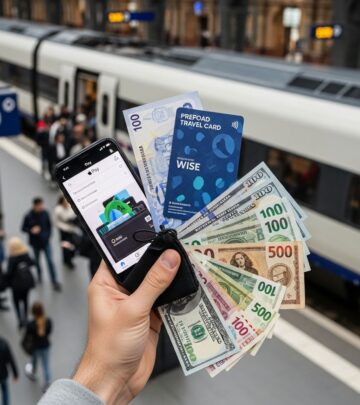
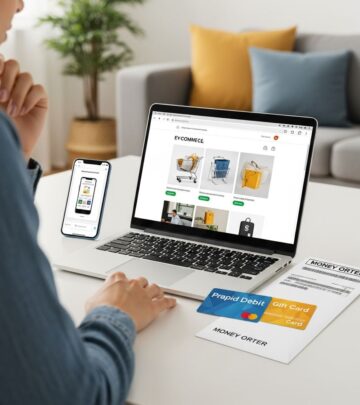
Load prepaid cards with exact trip funds to cap spending and avoid overdrafts. Some mimic credit cards with chip tech and rewards, accepted widely like Visa prepaid options.
- Lock in exchange rates pre-trip.
- Replaceable if lost, unlike cash.
- Ideal for families or first-timers.
Cash: Reliable Backup Everywhere
Not every merchant takes plastic—small vendors in rural areas often demand local currency. Exchange at banks or ATMs for best rates, carrying $100-200 USD equivalent split across wallets.
Hybrid approach: Credit/debit for big buys, cash for markets.
Selecting the Ideal Travel Payment Mix
Match options to your itinerary. Frequent flyers benefit from premium cards like Chase Sapphire with lounge access and insurance. Casual travelers favor no-fee cards like Wells Fargo Autograph.
Compare via this framework:
| Traveler Type | Best Primary Option | Backup |
|---|---|---|
| Frequent International | Travel rewards credit card | Debit + cash |
| Budget Backpacker | Debit/prepaid | Cash |
| Family Vacation | No-fee credit + prepaid | Cash |
| Remote Destinations | Cash + Visa debit | Prepaid |
Annual fees? Weigh against perks: A $95 fee might pay off with free nights or $100 travel credits.
Preparation Steps for Hassle-Free Payments
- Alert issuers: Prevent declines by notifying banks of dates/locations.
- Enable alerts: Texts for transactions spot issues fast.
- Go contactless: Apple Pay/Google Wallet for secure taps.
- Carry multiples: Visa/Mastercard + backup; split cards at home.
- Secure storage: RFID wallets block skimmers; photocopy details.
- Test pre-trip: Small ATM pull abroad-side.
For U.S. travelers, chip-and-PIN lags behind Europe—carry passport for stripe swipes.
Real-World Scenarios: Payments in Action
In Europe, credit cards dominate urban spots, but Italian villages need euros. Asia mixes: Japan favors cash, Singapore cards everywhere. Always scout via apps like XE Currency for local norms.
Case: $2,000 Paris trip. No-fee card saves $40-60 vs. fee cards; rewards add $50 miles. Debit for ATMs avoids advances.
FAQs
Can I travel without any credit card?
Yes, debit, prepaid, and cash work fine, though credit adds superior protection and rewards.
Which network is best abroad?
Visa and Mastercard lead in acceptance; Amex trails in some regions.
Should I notify my bank of travel?
Often yes, except issuers like Chase; it prevents fraud flags.
What if my card is declined overseas?
Call issuer, check limits, or use backup cash/debit.
Are prepaid cards safe?
Yes, load only needed funds; many offer fraud locks like credit.
Wrapping Up Your Payment Strategy
Blend credit cards’ perks with alternatives for optimal coverage. Prioritize no-fee options, notify banks, and diversify—your wallet becomes a worry-free travel ally.
References
- Credit Card for Traveling Overseas: What Features Matter Most — Remitly. 2023. https://www.remitly.com/blog/finance/credit-card-for-traveling-overseas/
- Guide to using your credit card for international travel — Chase Bank. 2024. https://www.chase.com/personal/credit-cards/education/rewards-benefits/credit-card-for-international-travel
- Six Tips for Using a Credit Card When Traveling Abroad — NS Bank. 2024-11-13. https://www.nsbank.com/personal/community/two-cents-blog/2024-11-13-traveling-abroad/
- Credit Cards for International Travel — Capital One. 2024. https://www.capitalone.com/learn-grow/more-than-money/credit-card-for-international-travel/
- International Travel Checklist for your Credit Card — American Express. 2024. https://www.americanexpress.com/us/explore/international-travel-checklist.html
- Travel with Visa: Essential Travel Tips for Abroad — Visa. 2024. https://www.visa.com/en-us/personal/travel
- 10 Tips For Using Credit Cards While Traveling — Bankrate. 2024. https://www.bankrate.com/credit-cards/travel/tips-for-traveling-with-credit-cards/
Similar Articles








Read full bio of Sneha Tete