Travel Insurance and Severe Weather Coverage
Discover how travel insurance protects against storms, hurricanes, and delays—essential guide for worry-free trips in unpredictable climates.
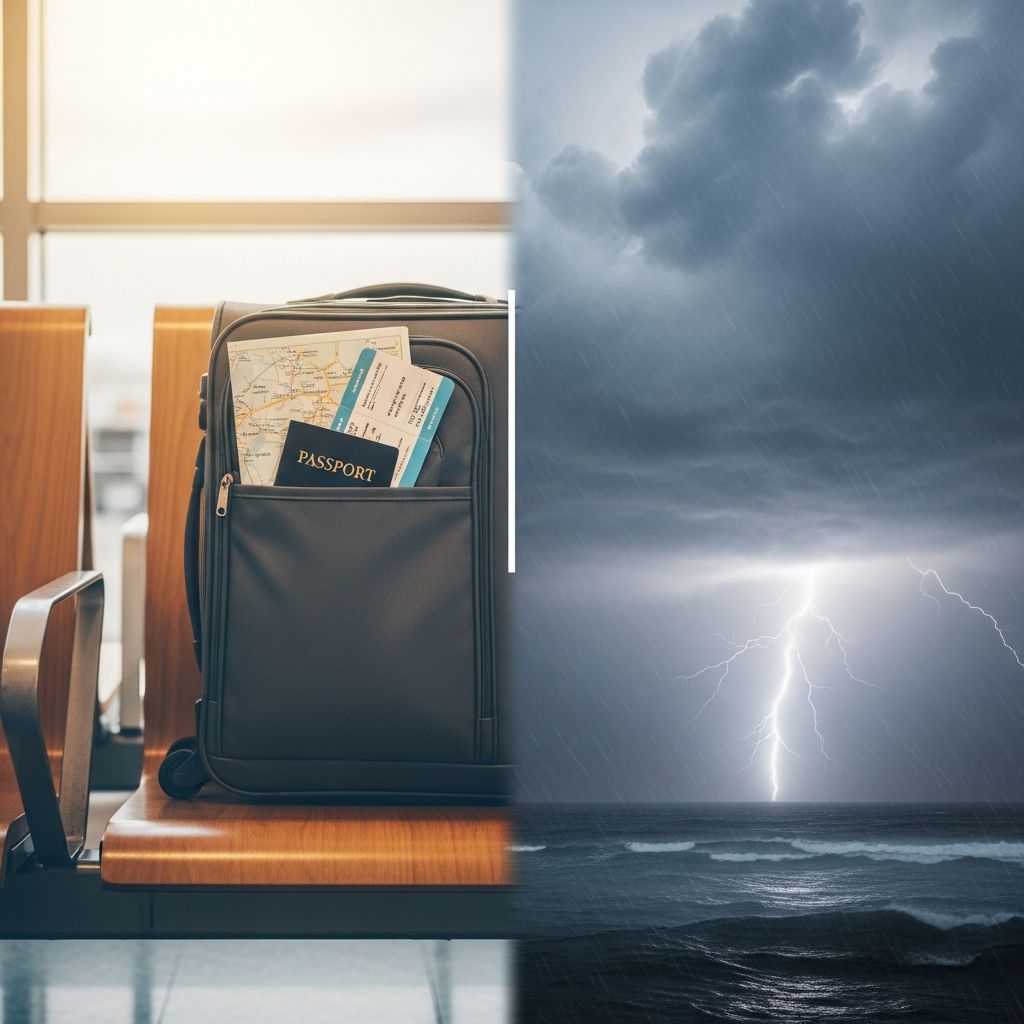
Travel insurance often provides protection against severe weather disruptions, but coverage activates only under specific conditions like extended service suspensions or mandatory evacuations.Key benefits include reimbursements for cancellations, delays, interruptions, and extra expenses, helping travelers recover from storms, floods, or blizzards that halt plans.
Understanding Severe Weather Triggers in Policies
Severe weather acts as a covered reason in most comprehensive plans, enabling benefits like trip cancellation or delay coverage when events cause significant impacts. Policies typically require the weather to qualify as a natural disaster, leading to destruction, major closures, or complete service halts by common carriers such as airlines or cruise lines.
For instance, heavy rain causing flooding, snowstorms grounding flights, or hurricanes forcing evacuations can trigger reimbursements. Coverage rarely applies to minor inconveniences like light rain or forecasted poor conditions without operational shutdowns.
Trip Cancellation Protection Against Weather Events
Trip cancellation coverage reimburses prepaid, non-refundable costs if severe weather prevents departure from home or access to your destination. This applies in scenarios like a named storm making travel impossible before your trip starts.
- Complete Cessation of Services: If carriers suspend all operations for 6-72 hours (policy-specific), you can cancel and claim up to your trip cost.
- Mandatory Evacuations: Coverage kicks in if officials order evacuation, often requiring 50-75% of your trip to remain affected post-order.
- Pre-Named Storm Purchases: Buy insurance before a storm is named to ensure disruptions qualify; post-naming purchases exclude it as a ‘foreseeable event’.
Without these triggers, voluntary cancellations due to weather forecasts do not qualify, emphasizing the need for early policy purchase.
Handling Trip Interruptions from Storms and Blizzards
Once underway, interruptions from weather can reimburse unused portions of your trip, alternate transport, or return home costs. This benefit covers up to full trip value if a natural disaster strands you or renders accommodations unusable.
For example, a blizzard closing roads mid-trip might cover rebooking flights or hotels until services resume. Policies often extend coverage if your return is delayed beyond the original date due to such events.
Travel Delay Reimbursements for Weather Holdups
Delays from inclement weather, typically 6-24 hours, qualify for reimbursements on meals, lodging, and transport. Common carriers must ground or cancel services due to events like fog, ice storms, or tornadoes.
| Delay Duration | Common Coverage | Examples |
|---|---|---|
| 6-12 hours | Meals, essentials | Snowstorm flight grounding |
| 12-24 hours | Hotel, transport | Hurricane port closure |
| 24+ hours | Full expenses + missed events | Flooded routes |
This benefit eases financial strain during waits, but documentation like carrier notices is crucial for claims.
Medical and Emergency Support in Weather Crises
Beyond financials, plans often include medical coverage for injuries or illnesses from weather events, plus 24/7 assistance for evacuations or rebookings. Extreme heat, cold snaps, or storm-related accidents qualify if tied to covered perils.
Policy Exclusions and Common Pitfalls
Not all bad weather counts—light drizzle or personal discomfort forecasts are excluded. Key pitfalls include:
- Buying after storm naming or warnings, making it ‘known’.
- Supplier refunds reducing claims; insurance covers the difference.
- Non-mandatory events without service cessation.
Always review definitions: ‘inclement weather’ means hazardous conditions like windstorms, hail, or blizzards causing delays.
Comparing Traditional vs. Specialized Weather Insurance
Traditional policies focus on cancellations and delays, while emerging weather insurance targets experience disruptions like rainy vacations without requiring trip halts. The latter reimburses for poor conditions at destination, offering broader protection.
| Aspect | Traditional Insurance | Weather Insurance |
|---|---|---|
| Trigger | Service cessation/evacuation | Forecasted bad conditions |
| Coverage | Cancellations, delays | Experience refunds |
| Best For | Travel logistics | Destination enjoyment |
Strategies to Maximize Weather Coverage
To optimize protection:
- Purchase immediately after booking for pre-event coverage.
- Select plans with ‘Cancel For Any Reason’ (CFAR) for 50-75% refunds on worries.
- Document everything: photos, official alerts, receipts.
- Check supplier policies first—many offer credits reducing insurance needs.
During hurricane season or winter travel, prioritize policies naming specific perils explicitly.
Frequently Asked Questions (FAQs)
Does travel insurance cover flight cancellations due to snow?
Yes, if the airline cancels for 6-12+ hours due to snowstorms, delay or cancellation benefits apply.
What if I cancel preemptively due to a forecast?
Standard policies no, unless CFAR upgrade; it must impact operations.
Is hurricane coverage available post-naming?
No, if purchased after naming—buy early.
Do storm watches trigger claims?
Not usually; actual delays or interruptions required.
What’s covered for cruise weather disruptions?
Delays, missed ports via interruption/delay benefits if severe.
Choosing the Right Plan for Your Journey
Evaluate trip cost, destination risks (e.g., hurricane-prone areas), and activities. Comprehensive plans from reputable providers balance cost and coverage breadth. Compare via independent reviewers for severe weather specifics.
For high-risk seasons, layer with CFAR or evacuation riders. This proactive approach ensures resilience against nature’s unpredictability, letting you focus on the adventure.
References
- Bad-Weather Travel Protection: What Can It Cover? — Generali Travel Insurance. 2023. https://www.generalitravelinsurance.com/travel-resources/weather.html
- Travel Insurance for Severe Weather & Natural Disasters — Squaremouth. 2024-10-15. https://www.squaremouth.com/travel-insurance-benefits/hurricane-and-weather
- What is Inclement Weather and How It Can Affect Your Travel Plans — Travel Insured International. 2026-01-29. https://www.travelinsured.com/news-resources/tips-ideas/travel/2026/01/29/what-is-inclement-weather
- Does Travel Insurance Cover Bad Weather? — Experian. 2024. https://www.experian.com/blogs/ask-experian/does-travel-insurance-cover-bad-weather/
- Delays & Cancellations Due to Weather — Allianz Travel Insurance. 2025. https://www.allianztravelinsurance.com/travel/insurance-101/does-travel-insurance-cover-weather.htm
- Winter Storms and Travel Insurance Coverage — Travel Guard. 2024. https://www.travelguard.com/info/winter-storms
Similar Articles








Read full bio of medha deb