Complete Guide to Travel Insurance for Ireland Visits
Essential coverage options and requirements for visiting Ireland safely
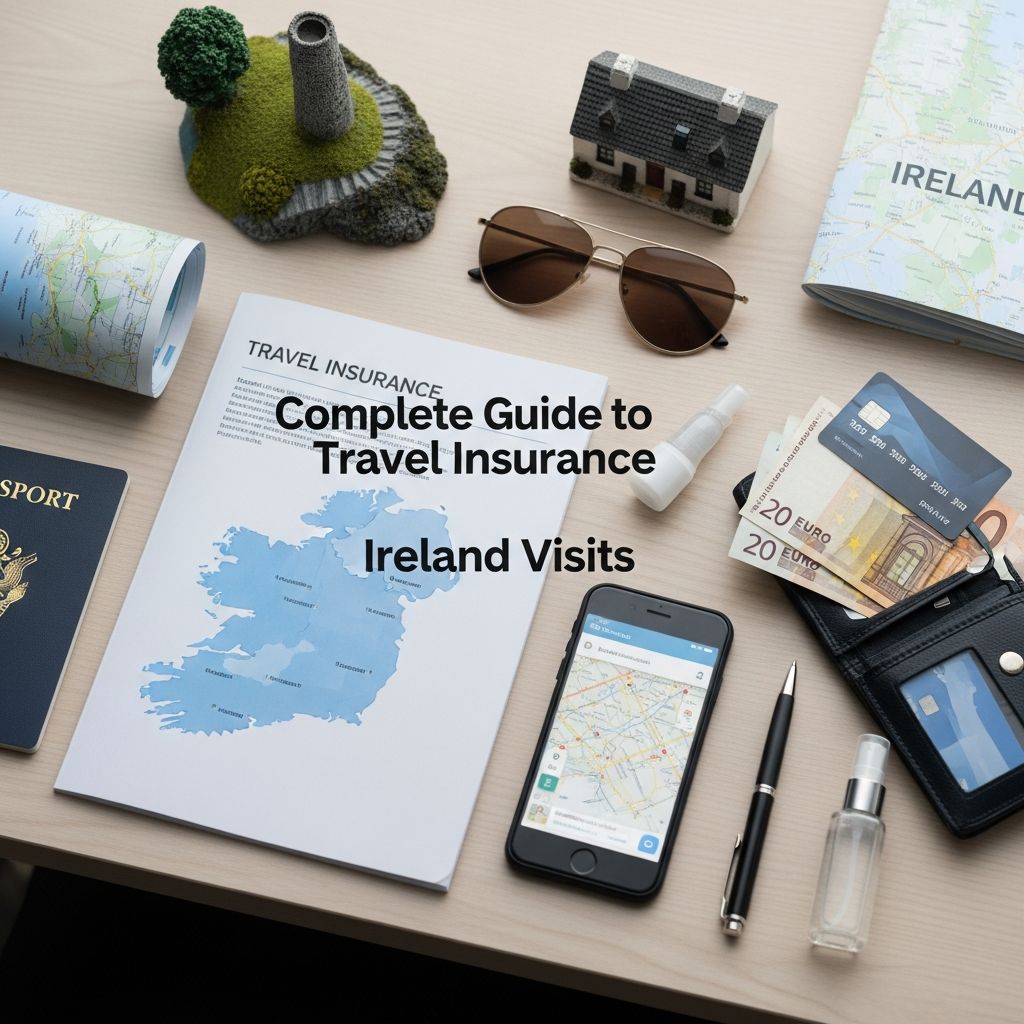
Planning a trip to Ireland requires careful consideration of various factors, and one element that deserves significant attention is adequate travel insurance coverage. While the legal requirements may vary depending on your nationality and visa status, the practical benefits of comprehensive travel insurance extend far beyond regulatory compliance. This guide explores the multifaceted aspects of travel protection for Ireland, helping you make informed decisions about the coverage that best suits your travel needs.
The Reality of Healthcare Costs Without Coverage
One of the most compelling reasons to secure travel insurance before visiting Ireland involves understanding the true cost of medical care without proper coverage. U.S. health insurance policies typically provide no coverage whatsoever outside American borders, leaving travelers vulnerable to substantial out-of-pocket expenses. Medicare and Medicaid similarly offer no protection for medical services received internationally, meaning U.S. citizens must bear the complete financial burden of any healthcare they receive.
Healthcare in Ireland carries a significant price tag for those without insurance coverage. Emergency medical treatment, hospitalization, and specialized procedures can result in bills reaching thousands of euros, placing unexpected financial strain on travelers who fail to plan adequately. A single emergency requiring medical evacuation or repatriation can consume funds that far exceed typical travel budgets, making the investment in travel insurance far more economical than gambling with personal finances.
Navigating Visa-Related Insurance Mandates
The necessity of travel insurance depends significantly on your citizenship and whether you require a visa to enter Ireland. For travelers who must obtain an Irish Short Stay ‘C’ Visa (for stays under 90 days), travel insurance documentation becomes mandatory. The Irish government implements this requirement to ensure that international visitors possess the financial means to address unexpected health emergencies without creating burdens on Ireland’s healthcare system.
When applying for a Short Stay visa, immigration officials may request proof of travel insurance during the application review process. Even more importantly, upon arrival at any Irish port of entry—whether airport or seaport—immigration officers can request verification of your medical coverage. Without proper documentation, you risk denial of entry, making this requirement more than just paperwork.
American citizens holding valid U.S. passports can visit Ireland for up to 90 days without obtaining a visa. However, this exemption does not eliminate the need for travel insurance; it simply means that proof of coverage is not legally mandatory for entry. For travelers from visa-required countries, the insurance requirement remains a non-negotiable element of travel planning.
Understanding Minimum Coverage Standards
For visa applicants, Ireland’s immigration authorities establish specific coverage parameters that insurance policies must meet. While no official Irish government website specifies a rigid minimum coverage amount as of 2026, the widely cited standard of €30,000 in medical coverage provides a practical benchmark. This amount reflects realistic healthcare costs in Ireland and ensures adequate protection for most medical emergencies.
Recommended travel insurance policies for Ireland should include the following elements:
- Emergency medical expense coverage of at least €30,000 (or equivalent in your currency)
- Coverage for hospitalization and emergency procedures
- Medical evacuation and emergency repatriation services
- Validity across Ireland and Schengen states (if traveling within Europe)
- Complete duration of your planned stay with no gaps in coverage
- Original certificate or digital proof available for immigration officer inspection
It’s strongly recommended to carry at least $250,000 in combined medical coverage and emergency evacuation protection when visiting Ireland, providing substantial cushion beyond minimum requirements. Healthcare in Ireland ranks among Europe’s more expensive options, and medical repatriation alone can cost several thousand euros without proper insurance.
Two Primary Types of Travel Insurance Coverage
Understanding the distinction between travel medical insurance and comprehensive trip insurance helps travelers select appropriate coverage for their specific needs. These represent two different approaches to travel protection, though many policies combine elements of both.
Travel Medical Insurance
Travel medical insurance focuses exclusively on health-related expenses during your journey. This coverage protects against financial consequences of unexpected illness or injury occurring while abroad. Standard benefits within travel medical insurance policies include:
- Emergency medical treatment and diagnostics
- Hospital stays and surgical procedures
- Prescription medications obtained while traveling
- Emergency dental treatment for pain relief
- Medical evacuation to appropriate treatment facilities
- Repatriation of remains in case of death
- Accidental death and dismemberment coverage
For travelers prioritizing health protection, medical insurance represents the essential minimum. Many policies offer flexibility in coverage levels, allowing you to select limits matching your comfort level and risk tolerance.
Comprehensive Trip Insurance
Trip insurance extends protection beyond medical emergencies to cover various travel-related disruptions and losses. This broader approach protects prepaid, nonrefundable expenses invested in your journey. Common coverage areas within trip insurance include:
- Trip cancellation due to illness, injury, or family emergencies
- Trip interruption when circumstances force early return home
- Flight delays and associated accommodation costs
- Lost, stolen, or damaged luggage and travel documents
- Missed connections and alternative transportation
- Rental car damage and liability coverage
- Emergency medical expenses and evacuation
Many travelers opt for combination policies providing both medical and trip protection, creating comprehensive safety nets for various travel scenarios.
Specialized Coverage Options Worth Considering
Beyond standard medical and trip protection, several optional coverages address specific travel concerns. Understanding these specialized options helps you tailor insurance to your particular situation and risk profile.
Cancel for Any Reason Coverage
Standard trip cancellation policies cover only specific listed circumstances—illness, injury, death of family members, and similar qualifying events. Cancel for Any Reason (CFAR) coverage removes these restrictions, allowing travelers to cancel their trips up to 48 hours before departure for virtually any rationale. While you cannot recover your complete investment under CFAR—typically receiving 50-75% of prepaid expenses—this flexibility provides valuable protection for uncertain situations.
Trip Delay Protection
Weather events, natural disasters, airline crew shortages, and other operational issues can delay travel, creating unexpected accommodation and meal expenses. Trip delay coverage compensates for hotel stays, meal costs, and other necessary expenses resulting from covered delays, protecting your overall travel budget from disruptions beyond your control.
Policy Limits and Deductible Considerations
Selecting appropriate policy limits and deductibles requires balancing adequate protection with reasonable premium costs. Just as with home or auto insurance, policy limits determine the maximum amount your insurer will reimburse for covered losses. Setting limits too low creates insufficient protection; setting them excessively high increases premiums unnecessarily.
For medical coverage, experts recommend maintaining at least $250,000 in combined medical and emergency evacuation protection. This substantial limit provides confidence that virtually any medical emergency can be addressed without forcing difficult financial choices. Deductibles—the amount you pay before insurance coverage begins—should align with your financial capacity to absorb costs during travel disruption.
Working with experienced travel insurance agents helps ensure your selected limits match your trip’s specific circumstances and your personal risk tolerance. Agents can review your itinerary, accommodation costs, and medical history to recommend appropriate coverage levels and explain policy exclusions.
Documentation Requirements and Practical Application
Having purchased appropriate insurance, you must understand how to present proof to Irish immigration authorities. Original certificates or digital proof must clearly display your name, policy dates, coverage amounts, and insurer details. Immigration officers may request to examine this documentation, particularly if visa requirements applied to your entry.
Before traveling, obtain multiple copies of your insurance documentation—some physical copies and digital versions on your phone or email. Keep this proof easily accessible throughout your trip, not packed away in checked baggage where you cannot retrieve it quickly if requested. Having readily available documentation smooths the entry process and demonstrates preparedness to immigration officials.
Pre-Travel Health Preparation Beyond Insurance
While insurance provides financial protection, supplementary health precautions strengthen your overall travel safety. Before departure, research any health risks present in Ireland, including seasonal illnesses or unusual disease patterns. Verify that your vaccinations remain current and determine whether additional vaccines are recommended for Ireland travel.
Locate the nearest hospital to your planned accommodation and note its location, contact information, and hours of operation. Understanding where emergency services are located allows rapid response if medical situations arise. Consider obtaining copies of your medical records and medication prescriptions, providing Irish healthcare providers with your medical history if needed.
Frequently Asked Questions
Is travel insurance legally required for visiting Ireland?
Legal requirements depend on your nationality and visa status. American citizens visiting for under 90 days do not require visas and, therefore, have no legal travel insurance mandate. However, travelers requiring Irish visas must demonstrate valid travel insurance coverage. Regardless of legal status, travel insurance is highly recommended for all visitors.
What minimum coverage amount should I purchase?
While no official Irish government website specifies a mandatory minimum, €30,000 in medical coverage provides a practical baseline reflecting Irish healthcare costs. However, carrying at least $250,000 in combined medical and evacuation coverage offers substantially better protection.
Can I use my American health insurance in Ireland?
No. U.S. health insurance policies provide no coverage outside American borders, requiring travel insurance for any international healthcare needs.
What happens if I arrive without travel insurance?
Immigration officers can deny entry to travelers without proper insurance documentation, particularly those from visa-required countries. Even visitors from visa-exempt countries risk refusal of entry if officers are not satisfied with travel documentation.
Does trip insurance cover cancellation for any reason?
Standard trip cancellation covers only specific circumstances, but cancel for any reason (CFAR) coverage provides flexibility to cancel for virtually any reason up to 48 hours before departure. CFAR typically reimburses 50-75% of prepaid expenses rather than full coverage.
Practical Recommendations for Your Ireland Trip
Securing appropriate travel insurance represents one of the most cost-effective investments you can make before visiting Ireland. Even when not legally required, the financial protection against medical emergencies, trip cancellations, and lost luggage far exceeds the relatively modest insurance premium.
Begin insurance shopping at least 2-4 weeks before your departure, allowing time to compare options and understand policy terms. Read policy documents carefully, noting coverage limits, deductibles, exclusions, and specific procedures for filing claims. Verify that your selected policy covers all destinations you plan to visit, including any optional European travel beyond Ireland.
Confirm that your policy provides 24/7 customer support with accessible emergency contact numbers, ensuring assistance availability regardless of your travel location. Request clarification on any unclear policy provisions before purchasing, avoiding surprises if you must file a claim during your trip.
References
- Travel Insurance for Ireland Visa – Requirements & Benefits — The United Insurance. 2026. https://www.theunitedinsurance.com/travel-insurance-for-ireland-visa-requirements-benefits/
- Travel Insurance Requirements for Ireland — Visitors Coverage. 2026. https://www.visitorscoverage.com/travel-insurance-requirements/ireland/
- Travel Insurance for Ireland — Experian. 2026. https://www.experian.com/blogs/ask-experian/travel-insurance-for-ireland/
- Travel Insurance for Ireland: How to Choose the Best One — AXA Schengen. 2026. https://www.axa-schengen.com/en/travel-insurance/ireland
- Ireland Travel Insurance — Insubuy. 2026. https://www.insubuy.com/ireland-travel-insurance/
- Ireland Visa Requirements and Travel Health Insurance — UHC SafeTrip. 2026. https://www.uhcsafetrip.com/tips/ireland-visa-requirements-and-travel-health-insurance/
Similar Articles








Read full bio of Sneha Tete