Travel Insurance: Essential Guide To Coverage & Claims
Discover how travel insurance safeguards your trips from cancellations, medical emergencies, and more for worry-free adventures.
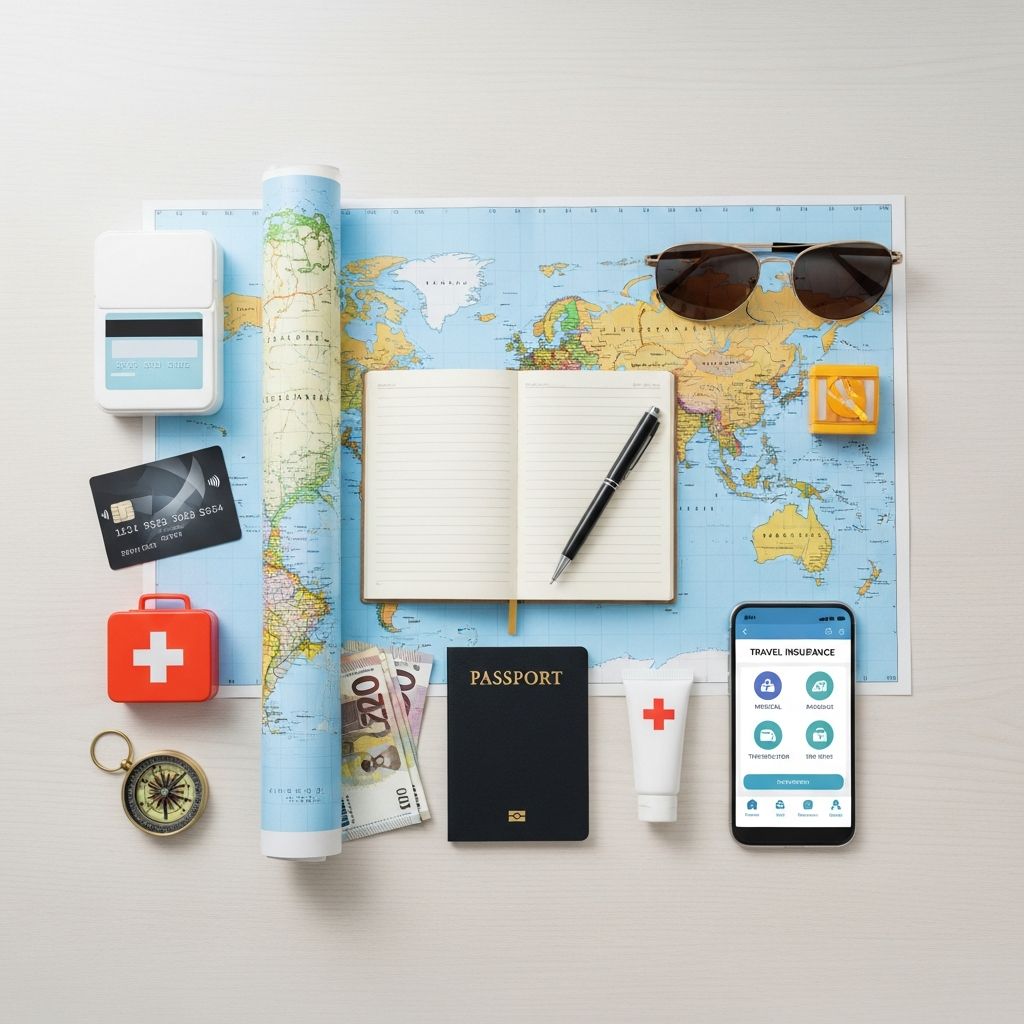
Travel insurance acts as a financial safety net for unforeseen events that can disrupt your journeys, covering costs from cancellations to medical emergencies.
Defining Travel Insurance and Its Core Purpose
At its heart, travel insurance is a short-term policy designed to protect travelers against financial losses tied to specific trips or multiple outings within a defined period. It reimburses non-refundable expenses like flights, hotels, and tours if disruptions occur due to covered reasons, such as illness or natural disasters. Unlike general health or auto policies, it focuses on trip-related risks, offering reimbursement or direct assistance to minimize out-of-pocket costs.
This protection extends beyond mere refunds, providing access to 24/7 support lines for emergencies like lost passports or medical referrals. For instance, if a family emergency forces you to cut a vacation short, the policy could cover return travel and unused portions of your itinerary.
Primary Coverages in Travel Insurance Policies
Most plans bundle several protections to address common travel pitfalls. Here’s a breakdown of essential benefits:
- Trip Cancellation: Reimburses prepaid costs if you must cancel before departure for covered reasons, including severe weather, jury duty, or supplier bankruptcy.
- Trip Interruption: Covers expenses if you return home early due to a family death, illness, or other qualifying events, often up to 150% of your trip cost.
- Emergency Medical Expenses: Pays for doctor visits, hospital stays, or prescriptions abroad when your regular health plan falls short.
- Medical Evacuation and Repatriation: Funds transport to advanced facilities or back home, which can cost tens of thousands without coverage.
- Baggage Loss or Delay: Compensates for stolen, damaged, or delayed luggage, including essentials like clothing during waits.
- Travel Delay Benefits: Reimburses meals, hotels, or fees for delays over a set period, typically 6-12 hours.
- 24/7 Assistance Services: Connects you to multilingual help for rebooking, legal aid, or locator services.
Additional perks in some policies include accidental death benefits, which provide lump sums to beneficiaries for travel-related fatalities, often higher for common carriers like airlines.
Types of Travel Insurance Plans Available
Policies vary to suit different needs, from one-off getaways to frequent adventures. Compare options in this table:
| Plan Type | Best For | Key Coverages | Limitations |
|---|---|---|---|
| Comprehensive | Most travelers | Cancellation, medical, evacuation, baggage, delays | Higher premiums |
| Medical-Only | Health-focused trips | Emergency care, evacuation | No trip cost protection |
| Evacuation-Only | Those with health coverage | Transport to facilities/home | Excludes medical bills |
| Annual/Multi-Trip | Frequent flyers | Multiple trips per year | Per-trip limits, stricter rules |
| Cruise-Specific | Cruise passengers | Port misses, ship issues, medical at sea | Cruise-only risks |
| Add-Ons (e.g., Rental Car) | Specific activities | Adventure sports, car damage | Narrow scope, exclusions apply |
Comprehensive plans offer the broadest shield, while add-ons tailor coverage for risks like scuba diving or skiing.
When Does Travel Insurance Prove Most Valuable?
Not every trip demands it, but certain scenarios heighten its worth. Families with young children or seniors benefit from medical and evacuation safeguards, as health issues abroad can escalate quickly. Long-haul international travel amplifies risks, given varying healthcare quality and high evacuation costs—often exceeding $50,000.
Prepaid, non-refundable bookings amplify exposure; think expensive cruises or tours with strict penalties. Frequent travelers save via annual plans, covering unlimited trips up to 30-90 days each. Those with chronic conditions should buy early to waive pre-existing issue exclusions.
Common Exclusions and Coverage Gaps
Policies aren’t all-inclusive. Watch for these pitfalls:
- Pre-existing medical conditions, unless purchased within 14-21 days of initial payment.
- Known events, like forecasted storms you proceed with.
- High-risk activities without add-ons, such as extreme sports.
- Pandemics or government advisories, depending on policy updates.
- Alcohol/drug-related incidents or war zones.
Always review your health insurance, Medicare, and credit card perks first—many overlap on delays or baggage but lack robust medical/evacuation.
Filing a Claim: Step-by-Step Process
Claims start with prompt reporting. Keep receipts, police reports, and medical notes. Steps include:
- Contact the insurer within 72 hours of the incident via 24/7 hotline.
- Submit forms online or by mail, with proof of loss.
- Track status; reimbursements arrive in weeks to months.
Some providers pay providers directly for evacuations, but expect upfront payment elsewhere with reimbursement.
Selecting the Right Policy for Your Trip
Match coverage to your itinerary: Estimate total prepaid costs and choose limits at least that high. Compare via aggregators, prioritizing ‘A.M. Best’ rated carriers. Factor in age, destinations, and activities—older travelers or remote areas need higher medical limits ($100K+).
Budget 4-10% of trip cost for premiums. Read fine print for ‘cancel for any reason’ upgrades, doubling cost but offering flexibility.
Travel Insurance vs. Existing Protections
|Protection Source|Strengths|Weaknesses|
|—————-|———|———–|
|Credit Cards|Free delay/baggage for select bookings|Limited/no medical, low limits |
|Health Insurance|Domestic coverage|Excludes/pre-authorizes abroad |
|Airline Policies|Basic changes|Strict deadlines, fees |
|Travel Insurance|Comprehensive, customizable|Costs extra |
Layer protections: Use cards for minor issues, insurance for majors.
Frequently Asked Questions
Is travel insurance worth the cost?
Yes, for non-refundable trips over $1,000 or international travel, as claims average thousands in savings.
Does it cover COVID-19 or pandemics?
Varies; many now include it, but check for epidemic exclusions.
When should I buy travel insurance?
Immediately after first payment to maximize waivers and options.
Can I get coverage for pre-existing conditions?
Often yes, if bought early and conditions are stable.
What if my trip supplier goes bankrupt?
Covered if listed and policy includes supplier default.
Trends Shaping Travel Insurance in 2026
Expect climate-focused add-ons for extreme weather, AI-driven claims processing, and bundled cyber protection for identity theft abroad. Sustainable travel policies may emerge, covering eco-disasters.
For retirees, students, or business owners, customized plans protect tied-up investments. In essence, travel insurance transforms potential disasters into manageable hiccups.
References
- Trip Protection 101: How Does Travel Insurance Work? — Squaremouth. 2024. https://www.squaremouth.com/travel-advice/how-does-travel-insurance-work
- What Is Travel Insurance in 2025? — Inszone Insurance. 2025. https://inszoneinsurance.com/blog/what-is-travel-insurance-and-who-should-get-it
- Understanding Travel Insurance — Travel Insurance Center. 2024. https://www.travelinsurancecenter.com/travel-411/understand/
- What Is Travel Insurance? — Travel Guard. 2025. https://www.travelguard.com/info/what-is-travel-insurance
- What is Travel Insurance & What Does it Cover? — Progressive. 2025. https://www.progressive.com/answers/travel-101/
- Travel Insurance — U.S. Department of State. 2025. https://travel.state.gov/en/international-travel/planning/guidance/insurance.html
Similar Articles








Read full bio of medha deb