Can Another Person Use Your Frequent Flyer Account Number?
Understanding the rules about sharing loyalty program accounts with family and friends
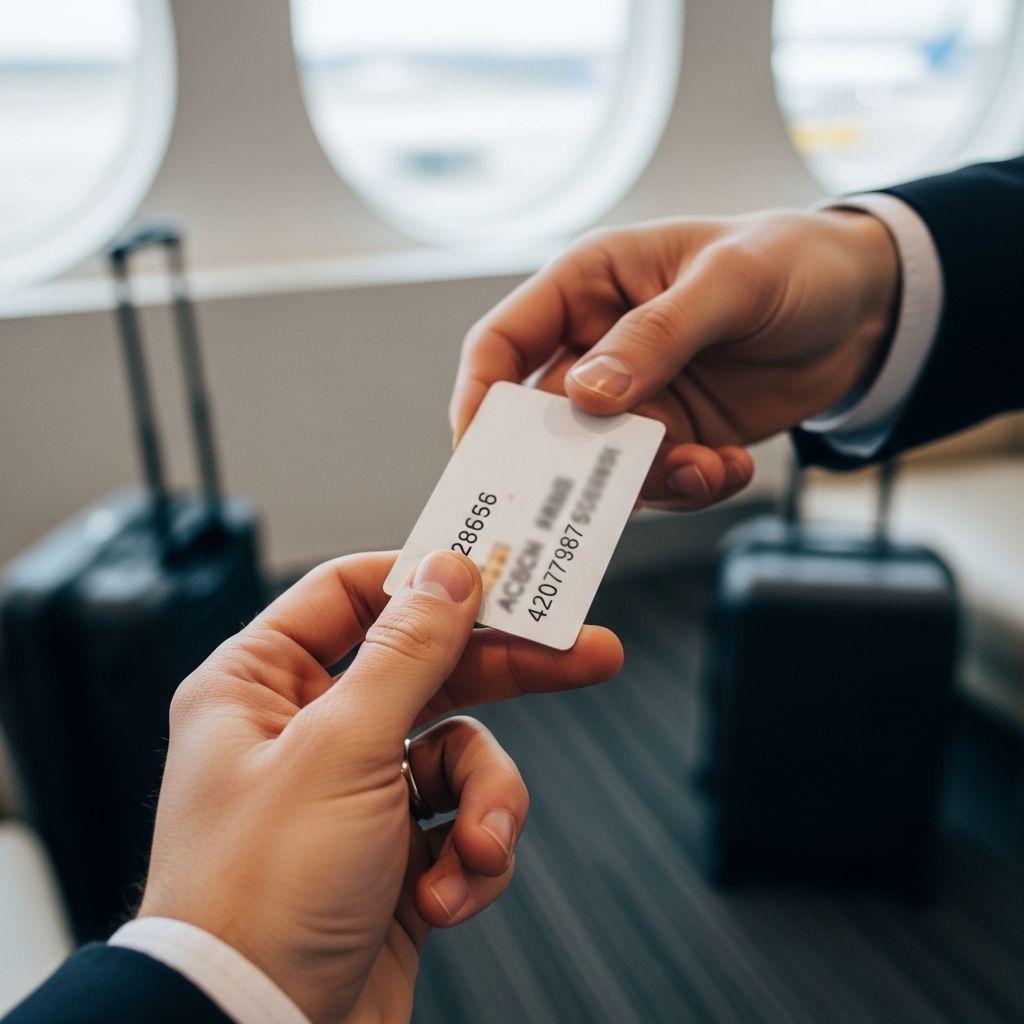
Frequent flyer programs have become an essential tool for travelers seeking to maximize their rewards and unlock exclusive benefits. Many cardholders accumulate substantial balances in their airline loyalty accounts and naturally wonder whether they can share these benefits with family members, friends, or colleagues. The straightforward answer is that most frequent flyer programs maintain strict policies prohibiting the use of your account number by anyone other than the primary account holder. Understanding these rules, the reasons behind them, and the legitimate alternatives available can help you make informed decisions about managing your travel rewards.
The Core Policy: Account Numbers Are Personal
Airline loyalty programs, including those partnered with major credit card issuers, establish clear ownership rules regarding frequent flyer accounts. These accounts are registered to a single individual and contain personally identifiable information linked to that specific traveler. The account number itself functions as a unique identifier tied to your name, address, and travel history. When another person attempts to use your frequent flyer number for a flight booking or redemption, they are essentially using credentials that do not belong to them, which violates the program’s terms of service.
The primary reason airlines enforce this rule relates to identity verification and security protocols. When you board a flight, your identification must match the name on the ticket. If your frequent flyer account is used by someone else, a fundamental mismatch occurs between the account holder and the traveler, creating complications during check-in and boarding procedures. Airlines require this alignment to maintain accurate passenger manifests and comply with transportation security regulations.
Why Airlines Restrict Account Access
Several legitimate business and operational reasons explain why frequent flyer programs do not permit account sharing:
- Identity verification requirements: Transportation Security Administration rules and international aviation standards mandate that the passenger’s legal name must match their ticket and identification documents. Using someone else’s frequent flyer account would create a discrepancy that triggers additional screening and potential denial of boarding.
- Fraud prevention: Unrestricted account access would create significant vulnerabilities to fraudulent activity, including unauthorized point redemptions, changes to account information, and identity theft. By restricting access to the primary cardholder, airlines protect both themselves and legitimate account holders.
- Program integrity: Frequent flyer programs rely on accurate data about member travel patterns to provide targeted benefits and maintain program profitability. Unauthorized account usage would compromise this data integrity and make it difficult for airlines to manage program economics.
- Tax and reporting obligations: Airlines and credit card companies must track rewards earned and redeemed for tax reporting purposes. Commingling accounts would create accounting complications and potential tax compliance issues.
- Terms of service enforcement: Most agreements explicitly state that accounts are non-transferable and for the exclusive use of the named account holder. This legal language protects the company from liability and establishes clear expectations for users.
Understanding the Consequences of Unauthorized Account Use
Attempting to use another person’s frequent flyer account can result in serious consequences for both the account holder and the person attempting to use it. Airlines take these violations seriously because they represent breaches of their terms of service and potential security risks.
If an airline discovers that an account has been accessed or used by someone other than the registered owner, they may suspend or permanently terminate the account. This action results in the forfeiture of all accumulated miles or points, regardless of their value. The account holder could lose thousands of dollars worth of rewards that they legitimately earned through credit card spending and flight purchases.
Additionally, attempting to use another person’s account information could constitute identity fraud or forgery, depending on how the unauthorized access occurred and what actions were taken. While most cases of account sharing between family members do not result in criminal prosecution, the legal risk exists, and repeated violations could escalate to law enforcement involvement.
The person attempting to use someone else’s account also faces the risk of being denied boarding if the discrepancy between their identity and the account holder’s name is discovered during check-in. This could result in a missed flight, additional expenses to purchase a new ticket in their own name, and travel disruptions.
Legitimate Alternatives to Account Sharing
Rather than directly sharing account numbers, several legitimate methods allow you to help family members and friends accumulate and use travel rewards:
Transferring Miles or Points
Many frequent flyer programs permit account holders to transfer accumulated miles or points to another person, usually for a fee or subject to specific eligibility requirements. This approach allows you to gift rewards to someone without compromising account security or violating program rules. The recipient can then use these transferred miles to book their own flights under their own identity and account.
Adding Authorized Users to Credit Cards
If you have a rewards-earning credit card linked to a frequent flyer program, you can typically add authorized users to your card account. These authorized users can make purchases using the card, which generates miles or points in your account. You retain complete control over the account, and the purchases count toward your rewards accumulation. This approach is particularly effective for families living in the same household or individuals with shared expenses.
Booking Tickets as a Gift
You can purchase airline tickets for another person using your frequent flyer miles or points without sharing your account number. Simply proceed through the airline’s booking process, redeem your miles for a ticket, and provide the ticket confirmation to the recipient. This method allows you to use your rewards to benefit others while maintaining account security and regulatory compliance.
Family Pooling Programs
Some airlines offer family pooling or household programs that allow multiple family members to combine their miles under a single umbrella account for earning purposes while maintaining individual traveler profiles for ticketing. These programs operate within the airline’s terms of service and provide a legitimate way for families to maximize rewards accumulation.
Practical Guidance for Frequent Flyer Account Management
To protect your frequent flyer account and ensure compliance with program rules, follow these best practices:
- Never share your account login credentials, PIN, or security questions with anyone, regardless of your relationship to them.
- Regularly monitor your account activity through the airline’s website or mobile app to detect any unauthorized access.
- Update your password periodically and use strong, unique passwords that you do not use for other accounts.
- When you want to help someone earn miles, add them as an authorized user on your credit card rather than sharing account access.
- Review the specific transfer policies of your frequent flyer program to understand options for gifting miles to family members or friends.
- Keep your recovery email address and phone number current so you can quickly regain access if your account is compromised.
- Consider using two-factor authentication if your airline’s program offers this security feature.
Frequently Asked Questions About Frequent Flyer Account Use
Can I book a flight for someone else using my frequent flyer miles?
Yes, you can purchase an award ticket for another person by using your frequent flyer miles and the airline’s booking system. The ticket will be issued in the recipient’s name, and they will use their own identification to board the flight.
What happens if my spouse uses my frequent flyer account without permission?
This would violate the program’s terms of service. The airline could suspend or close your account and cancel any bookings made under false credentials. If your spouse used your account to book a flight, they would be denied boarding because the ticket name would not match their identification.
Is it legal to let my child use my frequent flyer number for a flight?
No, it is not legal or permissible under airline policies. Your child must have their own frequent flyer account and ticket under their legal name. You can help them earn miles through other methods, but they cannot use your account number.
Can I combine my frequent flyer miles with my partner’s miles?
This depends on your specific airline’s policies. Some programs offer household or family pooling options that allow account holders to combine miles under certain conditions. Check with your airline to determine what options are available.
What should I do if someone else has been using my frequent flyer account?
Contact your airline’s customer service immediately to report the unauthorized access. Change your password, review your account activity, and ask the airline to review any suspicious transactions. Request that the airline secure your account and explain what actions it will take to prevent future unauthorized access.
Conclusion: Maintaining Security and Compliance
While the temptation to share frequent flyer account numbers with family members might seem harmless, doing so violates airline policies, creates security risks, and could result in significant consequences including account termination and loss of accumulated rewards. By understanding these restrictions and utilizing legitimate alternatives such as transferring miles, adding authorized users to credit cards, or purchasing award tickets for others, you can help loved ones enjoy travel rewards without compromising your account security or program standing. Taking a proactive approach to account management protects your investment in rewards while ensuring compliance with the rules that keep the frequent flyer ecosystem functioning smoothly for all participants.
References
- Frequent Flyer Programs: What They Are & Their Benefits — Chase Bank. Accessed February 6, 2026. https://www.chase.com/personal/credit-cards/education/rewards-benefits/frequent-flyer-programs
- United℠ Explorer Credit Card Benefits & Perks Explained — Chase Bank. Accessed February 6, 2026. https://www.chase.com/personal/credit-cards/education/chase-cards/united-credit-card-benefits
- Compare Rewards Credit Cards — Chase. Accessed February 6, 2026. https://creditcards.chase.com/rewards-credit-cards
Similar Articles








Read full bio of Sneha Tete