Trading House: Definition, Types, and Global Impact
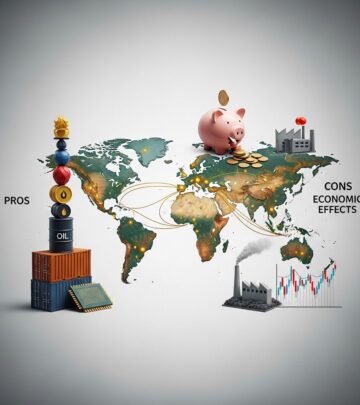
Understanding trading houses: intermediaries connecting global markets and facilitating international commerce.

What Is a Trading House?
A trading house is a business that specializes in facilitating transactions between different parties in the global marketplace. It acts as an intermediary in buying and selling a variety of goods, commodities, and financial instruments. Trading houses play a critical role in both international and domestic trade by connecting suppliers, manufacturers, and consumers across geographical and market boundaries. Their operations range from identifying market opportunities and managing risks to handling logistics and finances, making them essential facilitators in the modern commercial landscape.
The primary function of a trading house is to eliminate trading barriers and provide expertise for companies seeking to enter foreign markets, particularly small businesses with limited resources or import/export capabilities. By acting as brokers between buyers and sellers in different countries, trading houses streamline international transactions and reduce the complexity associated with cross-border commerce.
Types of Trading Houses
Trading houses can be classified based on their area of operation and the nature of the goods or services they handle. Understanding these categories helps investors and businesses identify the right partners for their commercial needs.
Commodity Trading Houses
Commodity trading houses specialize in the trade of physical commodities such as grains, oil, metals, and minerals. Examples include Glencore and Cargill, which operate on a massive scale to move raw materials from producers to consumers worldwide. These firms require extensive supply chain management expertise and deep knowledge of commodity markets.
Financial Trading Houses
Financial trading houses deal with financial instruments such as stocks, bonds, and derivatives. These entities facilitate capital market transactions and may work primarily with institutional investors. They possess specialized knowledge in valuation, risk assessment, and market trends within the financial sector.
Industrial Trading Houses
Industrial trading houses like Mitsubishi Corporation operate across various sectors, including energy, machinery, chemicals, and food. These diversified firms leverage their broad expertise to serve multiple industries simultaneously, allowing them to benefit from cross-sector opportunities and risk diversification.
Core Operations of Trading Houses
Trading houses engage in a comprehensive range of activities to fulfill their intermediary role in global commerce. Their operations can be broken down into several key functions:
Market Identification and Negotiation
Trading houses identify potential markets for specific products or services and negotiate deals on behalf of their clients. This requires deep market intelligence, relationship networks, and analytical capabilities to spot opportunities before competitors do.
Risk Management
A critical component of trading house operations is managing various types of risks. Trading houses manage risks by diversifying their portfolios, insuring against potential losses, and using hedging instruments. For example, currency forward contracts help minimize exposure to foreign exchange fluctuations, a constant concern in international trade.
Logistics and Finance
Trading houses handle extensive logistics and finance functions, including managing paperwork for imports and exports, arranging storage, advising on transportation modes, obtaining foreign exchange, and arranging insurance for clients. These services significantly reduce the burden on manufacturers and retailers unfamiliar with international commerce procedures.
Additional Intermediary Services
Beyond basic trading, modern trading houses offer specialized services such as:
– Market research and analysis for clients- Linking clients to new customers and special agencies- Arranging financial credit and vendor financing- Handling customs documentation and legal compliance- Developing trading flows using specialized products and market knowledge
The Importance of Networks and Relationships
The success of a trading house largely depends on its network and relationships. Trading houses need to build strong relationships with suppliers, buyers, logistics providers, financial institutions, and government agencies. These relationships help them to gain market intelligence, secure deals, manage risks, and navigate regulatory landscapes effectively.
Established trading houses often develop extensive contacts through their international commercial activities that serve as the basis for major business deals and new client acquisition. Some trading houses even maintain open foreign offices with dedicated staff who collaborate with customs officials to handle legal disputes and ensure smooth business operations.
Benefits and Advantages of Trading Houses
Trading houses provide numerous advantages to retailers, exporters, and manufacturers seeking to participate in international commerce:
Market Entry Facilitation
Trading houses eliminate trading barriers and provide expertise for companies seeking to enter foreign markets, particularly beneficial for small businesses with limited resources. This democratizes access to global markets for firms that might otherwise struggle with regulatory complexities and cultural differences.
Simplified Procurement
Dealing with a single trading house instead of numerous wholesalers simplifies the process of acquiring internationally manufactured products. This consolidation reduces transaction costs and administrative burden for retailers and manufacturers.
Economies of Scale
Trading houses enjoy economies of scale courtesy of their large clients’ portfolios. Established trading houses may reap the benefits of significant discounts from manufacturers and suppliers owing to their large buying power, and they can import commodities in bulk on behalf of customers to reduce transportation costs.
Market Expertise and Intelligence
Exporters benefit from the insight and expertise that trading houses possess about international markets they wish to enter. This knowledge advantage helps businesses make informed decisions and avoid costly mistakes in unfamiliar markets.
Financial Support
Businesses may obtain vendor financing through trade credits and direct loans offered by established trading houses. This financial flexibility enables smaller firms to participate in larger transactions than would otherwise be possible.
Historical Significance: Japan’s Trading Houses
Japan provides a compelling example of how trading houses can drive economic development. Japan’s chronic trade deficit in resources, whether natural resources or food, led to the development of five major trading houses referred to as “Sogoshosha.” These institutions include Sumitomo Corp., Itochu Corp., Mitsubishi Corp., Marubeni Corp., and Mitsui & Co. Ltd.
The Sogoshosha came to fruition during the Meiji restoration era with roots in other countries to bolster Japan’s economy. These trading houses helped Japan overcome the economic aftermath following World War II defeat and extended their influence to various sectors of the country’s economy. With government support, these trading houses were able to ward off threats stemming from foreign markets and geographical isolation, establishing Japan as a major player in global commerce.
Challenges and Risks Facing Trading Houses
Despite their importance, trading houses face significant challenges in the modern marketplace. Common obstacles include:
Market Volatility
Fluctuations in commodity prices, exchange rates, and financial markets can significantly impact trading house profitability and require sophisticated hedging strategies.
Trade Policy Shifts
Changes in tariffs, trade agreements, and regulatory frameworks can alter market dynamics rapidly, requiring trading houses to adapt their strategies and networks.
Technological Disruptions
Digital transformation and new technologies present both challenges and opportunities, forcing traditional trading houses to modernize their operations.
Opportunities for Growth and Innovation
Trading houses continue to adapt and thrive by seizing emerging opportunities. Key areas of growth include:
Emerging Markets
Trading houses are capitalizing on opportunities in emerging markets with rapid economic growth and increasing consumer demand. These markets often lack established trading infrastructure, creating opportunities for well-positioned trading houses.
Technological Innovation
Trading houses are harnessing technological innovations, like digitalization and blockchain, to improve efficiency and transparency in their operations. These technologies can streamline documentation, reduce fraud, and enable faster transactions across borders.
Sustainability Initiatives
Their increasing focus on sustainability signals commitment to responsible trading practices and appeals to environmentally conscious investors and clients. This aligns trading house operations with global sustainability goals while potentially opening new market segments.
How Trading Houses Create Value
Trading houses create value through multiple mechanisms in the global marketplace. As intermediaries, they bridge gaps between local and global markets, streamlining trade operations and promoting economic growth. By assuming and reducing the risks stemming from foreign markets, trading houses become the principals for some products and markets, absorbing risks that individual businesses might find too burdensome.
The major strength for most trading houses is their ability to absorb risk while leveraging economies of scale and extensive networks to facilitate transactions that might otherwise be impossible or prohibitively expensive for individual market participants.
Pricing and Profit Models
Trading houses typically employ mark-up pricing strategies to compensate for costs incurred in facilitating transactions and to generate profit. As an agent for foreign sellers seeking buyers in the local market, a trading house may impose slightly higher prices for products than customers would pay if they purchased commodities directly from the foreign source. This pricing approach reflects the value-added services and risk absorption that trading houses provide.
Frequently Asked Questions
Q: What is the primary function of a trading house?
A: The primary function of a trading house is to act as an intermediary in buying and selling goods, commodities, and financial instruments between different parties in the global marketplace. Trading houses facilitate transactions, manage risks, handle logistics, and connect suppliers with consumers across geographical boundaries.
Q: How do trading houses manage currency and market risks?
A: Trading houses manage market volatility and risk through diversification of their portfolios, insurance against potential losses, and the use of hedging instruments such as currency forward contracts. They leverage their network and relationships to gain market intelligence and secure favorable deals, further mitigating risks.
Q: What are the main types of trading houses?
A: The main types include commodity trading houses that specialize in physical commodities like oil and grains, financial trading houses that deal with stocks and bonds, and industrial trading houses that operate across multiple sectors including energy and machinery.
Q: What challenges do trading houses currently face?
A: Trading houses face challenges such as market volatility, trade policy changes, and technological disruptions. However, they also have opportunities in emerging markets with rapid economic growth and can leverage technological innovations like digitalization and blockchain for growth and efficiency.
Q: How do trading houses benefit small businesses?
A: Trading houses provide small businesses with market entry facilitation, eliminating trading barriers and providing expertise for entering foreign markets. They simplify procurement processes, offer vendor financing, and provide market intelligence that would be difficult for small firms to obtain independently.
References
- Trading Houses: Definition, Importance, Risks, & Opportunities — Finance Strategists. Accessed 2025. https://www.financestrategists.com/wealth-management/investment-management/trading-houses/
- Trading House – Definition, Examples, Benefits — Corporate Finance Institute. Accessed 2025. https://corporatefinanceinstitute.com/resources/economics/trading-house/
Similar Articles








Read full bio of medha deb