Track Your Spending: Practical Methods And Smart Alternatives
Discover the pros and cons of tracking every penny versus intuitive spending for smarter personal finance management.

Many personal finance experts advocate for tracking every dollar spent to gain control over your finances. But is this meticulous approach necessary for everyone? This article examines the arguments for and against detailed spending tracking, explores practical methods, and offers balanced strategies to manage money effectively without overwhelming yourself.
Why Track Your Spending?
Tracking your spending reveals hidden leaks in your budget. Without it, you might not realize how small, frequent purchases—like coffee or snacks—add up significantly over time.
The primary goal is to compare total expenses against income. If outflows exceed inflows, you’re likely relying on credit, deepening debt. Even balanced spending leaves no room for savings or emergencies.
- Identifies overspending areas: Dining out, subscriptions, or impulse buys become visible.
- Aligns spending with values: Review categories to ensure money supports priorities like family or retirement.
- Provides the ‘I knew it!’ moment: Confirmation that habits match intentions boosts confidence.
Studies and experts emphasize that awareness is the first step to improvement. For instance, apps automate this process, making it effortless.
The Case Against Tracking Every Penny
Obsessive tracking can lead to stress and burnout. Constant logging feels like a second job, detracting from life enjoyment.
Not everyone needs granular details. If big bills (rent, loans) are managed and small spends don’t derail goals, detailed tracking may be unnecessary.
- Time-consuming: Manual entry or app reviews eat into daily routines.
- Mental load: Anxiety over minor purchases undermines financial peace.
- Diminishing returns: After initial insights, ongoing tracking yields less value.
Some thrive on intuition or weekly reviews rather than daily logs. The key is sustainability over perfection.
How to Track Your Spending Effectively
Start simple. The best method is one you’ll stick to consistently.
Manual Methods (Old-School Tools)
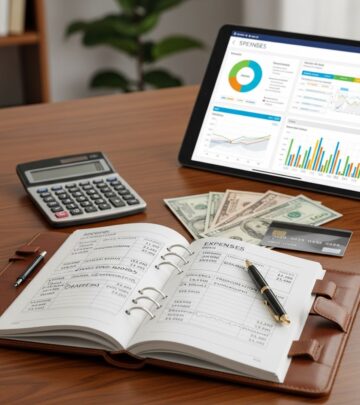
Use pen and paper for tactile awareness. Notebooks or printables categorize expenses daily.
- Envelope system: Allocate cash to categories like groceries; stop spending when empty.
- Journaling: Log every transaction at day’s end for reflection.
Spreadsheet Templates
Free Excel or Google Sheets templates automate sums. Download from sites like SeedTime for categories, totals, and graphs.
| Method | Pros | Cons | Best For |
|---|---|---|---|
| Paper Journal | Free, no tech needed | Time-intensive, no auto-calcs | Tech-averse users |
| Excel Template | Customizable, visual charts | Requires computer | Detail-oriented planners |
Expense Tracking Apps
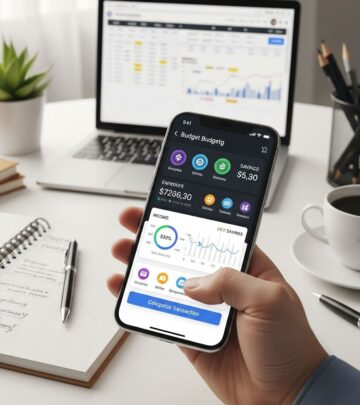
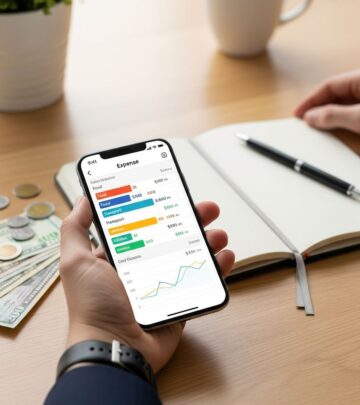
Modern apps sync with banks for automatic tracking, offering real-time insights.
Mint
Free, popular app links accounts, categorizes spends, sets budgets, and alerts on limits. Includes credit score and bill reminders.
Quicken
Mobile version of desktop software. Snap receipts, sync data, encrypt securely. Ideal for Quicken users.
iSpending
Free with sleek UI, custom categories, pie charts. No desktop sync needed for mobile-only users.
Goodbudget
Envelope-style digital budgeting. Free version limits transactions; pro unlocks more.
Budget Boss (and Others)
Intuitive interface, reports, ad-free pro upgrade. Multi-platform.
YNAB (You Need A Budget)
Proactive budgeting with tutorials. Costs $83.99/year but addictive for committed users.
Apps like Personal Capital and BUDGT offer free tracking with investment views or daily focuses.
Make Tracking a Habit
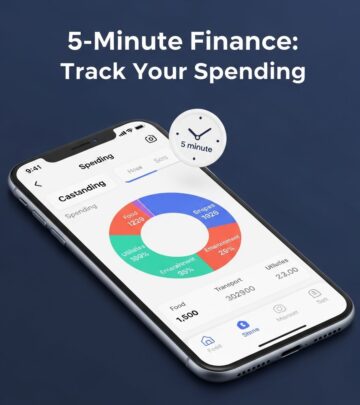
Integrate into routines: Log daily in 5 minutes via app swipes.
- Evening review: Input past 24 hours’ transactions.
- Weekly summaries: Analyze trends, adjust budgets.
- Monthly deep dive: Compare to income, cut waste.
Technology simplifies: Auto-sync beats manual entry.
What to Do After Tracking
Once aware, act. Cut unnecessary spends to fund emergencies (3-6 months’ expenses), debt payoff, or savings.
- Dining out reduction: Cook more, save hundreds monthly.
- Subscriptions audit: Cancel unused services.
- Impulse control: Wait 24 hours before non-essentials.
Reassess quarterly. Adjust as life changes (raises, kids, etc.).
Alternatives to Daily Tracking
If full tracking overwhelms:
- Weekly bank reviews: Scan statements for patterns.
- Category caps: Set mental limits, e.g., $200/month entertainment.
- Zero-based budgeting: Assign every dollar a job upfront.
- 80/20 rule: Track 80% of spends (big ones); estimate small.
Frequently Asked Questions (FAQs)
Q: Is tracking spending necessary for financial success?
A: Not always. It’s crucial for uncovering leaks but unnecessary if intuitive habits align with goals. Start with a 30-day trial.
Q: What’s the best free app for beginners?
A: Mint excels with auto-sync, budgets, and alerts across accounts.
Q: How long should I track before seeing results?
A: One month reveals patterns; three months confirms habits.
Q: Can tracking cause more stress than benefit?
A: Yes, if obsessive. Opt for weekly summaries over daily logs for balance.
Q: How big should my emergency fund be?
A: Base on spending, not income: 3-6 months’ essentials.
Final Thoughts on Balanced Tracking
Track your spending—or not—based on your needs. For spenders unaware of leaks, detailed tracking transforms finances. For the disciplined, lighter methods suffice. Experiment to find your fit, prioritizing sustainability for long-term success.
References
- These 5 Apps Can Fix Your Finances — Wise Bread. 2010-approx (evergreen finance advice). https://www.wisebread.com/these-5-apps-can-fix-your-finances
- The “I Knew It!” Benefit of Expense Tracking — Wise Bread. 2010-approx (timeless personal finance principle). https://www.wisebread.com/the-i-knew-it-benefit-of-expense-tracking
- These 5 Apps Will Help You Finally Organize Your Money — Wise Bread. 2010-approx. https://www.wisebread.com/these-5-apps-will-help-you-finally-organize-your-money
- 5-Minute Finance: Track Your Spending — Wise Bread. 2010-approx (core budgeting method). https://www.wisebread.com/5-minute-finance-track-your-spending
- 6 Old School Tools to Help You Stay on Budget — Wise Bread. 2010-approx. https://www.wisebread.com/6-old-school-tools-to-help-you-stay-on-budget
- Figuring the Size of Your Emergency Fund — Wise Bread. 2010-approx (standard finance guideline). https://www.wisebread.com/figuring-the-size-of-your-emergency-fund
Similar Articles








Read full bio of Sneha Tete