Tired of Paying Big Bucks for Toys? Sign Your Child Up to Test Them
Discover how your child can become a toy tester, get free toys, and even earn money while playing and reviewing products for major companies.
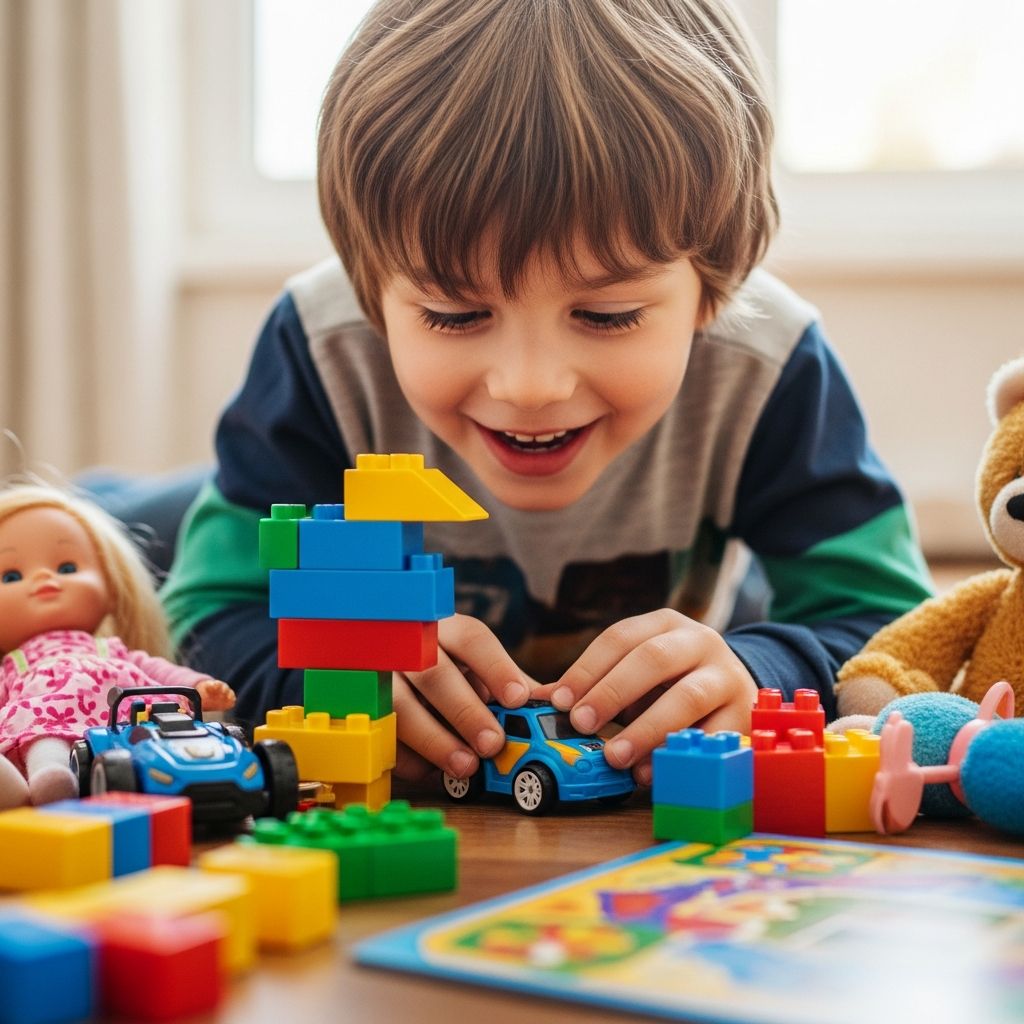
Parents everywhere know the struggle of buying toys that kids quickly outgrow or lose interest in. Toys can be expensive, often costing $20 or more per item, draining family budgets during holidays and birthdays. But what if your child could play with new toys for free—or even get paid to try them out? It’s not a dream; it’s a real opportunity through toy testing programs offered by major companies.
Toy testing allows everyday kids to evaluate upcoming products, providing honest feedback on fun, safety, and durability. Companies like Fisher-Price and retailers such as Justice and Claire’s hire children as young as toddlers up to preteens to test toys. Your child might receive toys at home or visit a company lab, turning playtime into a valuable gig that saves money and builds skills.
A Cool Job for Kids: Toy Testing
Imagine your child getting excited packages in the mail filled with the latest toys, or heading to a toy lab for hands-on testing. This isn’t fantasy—legitimate toy companies actively seek normal kids for these roles. The age range typically spans toddlers to preteens, depending on the product. Some programs send toys directly for home reviews, while others require in-person visits to headquarters.
These opportunities aren’t just about free play; they help companies refine products before launch. Kids test for engagement, safety, and appeal, ensuring toys meet high standards. For families, it’s a win: no more shelling out big bucks, and kids learn responsibility through reviewing.
Real stories highlight the perks. Florida blogger Krystal Butherus landed a spot testing a Thomas the Tank Engine bed after spotting it in a Facebook group. Her family enjoyed the toy for free, proving these gigs are accessible with the right approach.
Save Money Without Finding Toy Tester Jobs
Toy testing is one of the best ways to slash toy expenses without hunting traditional jobs. Instead of paying retail prices, families keep tested toys permanently. Some programs even offer cash bonuses or additional perks like gift cards.
Consider the bigger picture: U.S. families spend thousands annually on toys and games. The Toy Association reports average holiday spending exceeds $300 per child. By testing, you redirect those funds to savings or college accounts while kids enjoy premium products. Programs like Parent Tested Parent Approved extend this to toys, appliances, and more, with testers keeping items after reviews.
| Benefit | Description | Potential Savings |
|---|---|---|
| Free Toys | Keep products after testing | $20–$100 per toy |
| Cash Payments | Some gigs pay kids directly | $50–$10,000 (rare contests) |
| Skill Building | Reviewing hones communication | Priceless long-term value |
| Family Perks | Events, social media exposure | Additional freebies |
This table shows how toy testing directly impacts your wallet, making it a smart side strategy for budget-conscious parents.
4 Tips to Help Your Child Land a Toy Testing Gig
Competition is fierce, but proactive steps increase chances. Here are four proven tips drawn from successful testers and industry insights.
1. Get a Jump on the Toy Testing Competition
These gigs pop up sporadically, so stay vigilant. Monitor toy company websites, social media, and blogger groups. Email companies directly—Fisher-Price accepts inquiries at kids@fisher-price.com, including your contact info, child’s name, age, and interests.
- Follow Facebook pages: Fisher-Price, Mattel, Hasbro, Melissa & Doug, Lego.
- Join parent blogger groups for insider tips.
- Check retailer sites like Justice or Claire’s for video contests—past ones required buying a toy, filming play, and explaining fit.
Being first gives your child an edge in this fast-moving field.
2. Build a Social Media Presence
Toy companies favor kids comfortable on camera. Set up Instagram, TikTok, YouTube, or a family blog to showcase play sessions. Krystal Butherus credits her blog and social accounts for selection.
Encourage video reviews: unboxing, playing, and honest opinions. This teaches marketing and builds a portfolio. Retailers like Justice ran contests where video submissions won testing spots and $8,000 prizes.
Pro tip: Ensure kids are camera-ready; practice boosts confidence and appeal.
3. Curate Your Online Presence
A strong digital footprint is key. Even a Pinterest board of toy ideas shows enthusiasm. YouTube channels thrive here—Evan of EvanTubeHD started at age 8, amassing 7 million subscribers and millions in earnings from toy reviews.
Be authentic: Praise great toys, critique flaws for safety. Companies value reliability. Grow followers by consistent posting, collaborations, and hashtags like #ToyTester.
- Create a dedicated toy review channel.
- Link profiles across platforms.
- Highlight child’s personality and interests.
4. Apply to Pet Toy Testing for Extra Opportunities
Don’t overlook pets! Programs like PetSmart’s Chief Toy Tester pay $10,000 to one dog and one cat annually for testing toys and treats. Submit 10-30 second videos showing personality via AnythingForPets.com. Requirements: Public social accounts, toy reviews, year-long commitment. Winners get spaw days and event appearances.
This expands options beyond kids, turning furry friends into earners.
Other Product Testing Opportunities
Toy testing gateways open doors to broader gigs. Parent Tested Parent Approved (PTPA) lets parents test toys, games, and household items. Create a profile matching demographics; if selected, review and keep products. With 130,000+ testers, competition is high, but loyalty points yield more freebies.
Independent labs hire for safety checks—engineering or chemistry backgrounds help, focusing on hazards like sharp edges. Retailers offer unpaid kid tests where you keep toys, ideal for beginners.
FAQs About Becoming a Toy Tester
How do you become a toy tester?
Reach out to companies running campaigns. Match age/location criteria, apply via email, social contests, or sites like PTPA. Build online presence to stand out.
How to get toys for free to review?
Join tester programs; companies ship products for feedback. Keep them post-review, sometimes with pay. Focus on safety/appeal in honest reviews.
What age can kids start toy testing?
Typically toddlers to preteens, varying by product. Check specifics per opportunity.
Do toy testers get paid?
Often free toys only, but contests pay cash (e.g., $10,000 PetSmart, $8,000 retailers).
Is social media required?
Highly recommended; companies seek photogenic, social-savvy kids/pets for promotion.
Why Toy Testing Matters for Families
Beyond savings, toy testing fosters creativity, public speaking, and critical thinking. Kids gain real-world experience, portfolios for future opportunities, and joy from purpose-driven play. Parents save significantly—redirecting toy budgets builds financial security.
In a world of rising costs, these gigs empower families. Proactive parents turn play into profit, proving fun and frugality coexist. Start today: email companies, post videos, watch opportunities unfold.
References
- Tired of Paying Big Bucks for Toys? Sign Your Child Up to Test Them — The Penny Hoarder. 2014-09-22. https://www.thepennyhoarder.com/save-money/toy-tester/
- Your Dog or Cat Could Earn $10,000 as PetSmart’s ‘Chief Toy Tester’ — The Penny Hoarder. 2023. https://www.thepennyhoarder.com/make-money/side-gigs/petsmart-chief-toy-tester/
- How do you get a job testing toys? — HowStuffWorks. 2014. https://money.howstuffworks.com/how-do-you-get-a-job-testing-toys.htm
- How To Become A Product Tester in 2025 — The Penny Hoarder. 2025. https://www.thepennyhoarder.com/make-money/side-gigs/product-tester-jobs/
Similar Articles








Read full bio of Sneha Tete