Tortfeasor: Definition, Liability, and Legal Implications
Understanding tortfeasors: Learn about civil liability, wrongful acts, and legal responsibilities in personal injury cases.

Understanding Tortfeasors: A Comprehensive Legal Guide
In the realm of civil law, the term tortfeasor plays a crucial role in determining liability and responsibility for wrongful acts. Whether you’re a business owner, individual, or someone involved in a legal dispute, understanding what constitutes a tortfeasor and how tortfeasor liability works is essential for navigating personal injury claims and civil lawsuits. This guide explores the comprehensive definition of tortfeasor, the legal implications, and how tortfeasor liability affects both plaintiffs and defendants.
What Is a Tortfeasor?
A tortfeasor is a person, business, or entity that commits a wrongful act—known as a tort—that causes harm or damage to another individual or organization. The term derives from the Latin word facere, meaning “to do,” combined with “tort,” making a tortfeasor literally a “wrongdoer.” However, this definition shouldn’t be interpreted too narrowly. In most cases, tortfeasors are not necessarily criminals or individuals with malicious intent. Rather, they are parties who cause injury or damage through negligence, carelessness, or failure to exercise reasonable care.
Torts can be classified into two primary categories: intentional torts and negligent torts. An intentional tort occurs when someone deliberately commits an act knowing it will cause harm, such as assault or battery. A negligent tort occurs when someone’s careless or reckless behavior results in unintended harm to another party. In both cases, the tortfeasor can be held legally liable for the damages caused.
Key Characteristics of Tortfeasors
Understanding the characteristics that define a tortfeasor helps clarify when liability may apply:
- Wrongful Action: The tortfeasor must have committed an act or failed to act in a manner that violates a legal duty owed to the injured party.
- Causation: There must be a direct causal link between the tortfeasor’s actions and the harm suffered by the plaintiff.
- Damages: The injured party must have suffered actual harm, whether physical, emotional, or financial.
- Legal Duty: The tortfeasor must have owed a legal duty to the injured party under the circumstances.
- Breach of Duty: The tortfeasor must have breached that duty through action or inaction.
Types of Tortfeasors and Tortious Acts
Tortfeasors can take various forms depending on the context and nature of the wrongful act. Understanding different types of tortfeasors helps clarify liability in specific scenarios.
Individual Tortfeasors
An individual tortfeasor is a person who commits a tort. Examples include a driver who causes a car accident through reckless driving, a property owner who fails to maintain safe premises, or someone who commits assault or defamation. Individual tortfeasors can be held personally liable for damages they cause.
Business Tortfeasors
A business or corporation can be a tortfeasor if it commits a wrongful act that causes harm. This might include a manufacturing company producing defective products, a healthcare provider committing medical malpractice, or a service provider failing to deliver promised services properly. Businesses are typically held liable through their insurance policies or corporate assets.
Vicarious Tortfeasors
In some cases, an employer may be held liable for the tortious acts of an employee through a legal doctrine called vicarious liability. If an employee injures someone while performing job duties, the employer can be considered a tortfeasor even though they didn’t directly commit the wrongful act. This principle applies when the employee was acting within the scope of their employment.
Common Examples of Tortfeasor Scenarios
Tortfeasor liability manifests in various real-world situations. Recognizing these scenarios helps individuals and businesses understand potential legal exposure:
Traffic Accidents
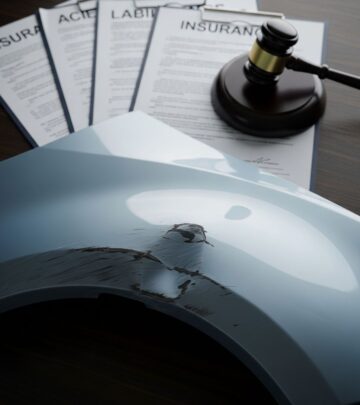
In a car accident caused by a driver’s negligence—such as speeding, distracted driving, or running a red light—the negligent driver becomes the tortfeasor. If the driver was working as a delivery driver or rideshare operator, both the driver and potentially their employer could be considered tortfeasors.
Premises Liability
A property owner who fails to maintain safe conditions may be a tortfeasor if someone is injured on the property. Examples include a landlord who doesn’t repair a dangerous staircase, a business owner who fails to clean up spilled liquids, or a property manager who neglects to address hazardous conditions.
Product Liability
Manufacturers and sellers can be tortfeasors if they produce or distribute defective products that cause injury. This includes products with design defects, manufacturing defects, or inadequate warnings.
Professional Malpractice
Healthcare providers, lawyers, accountants, and other professionals can be tortfeasors if their negligent performance of professional duties causes harm. Medical malpractice is a common example.
Dog Bite Liability
Dog owners can be tortfeasors if their dog bites someone and the owner knew the dog was dangerous but failed to take protective measures.
Multiple Tortfeasors and Shared Liability
In many cases, more than one party may be responsible for causing harm. When multiple tortfeasors are involved, liability can be allocated in different ways depending on jurisdiction and circumstances.
Joint and Several Liability
Under joint and several liability, the injured party can recover full damages from any single tortfeasor, regardless of their percentage of fault. Each tortfeasor remains liable for the entire judgment, though they may seek contribution from other responsible parties.
Comparative Negligence
Many jurisdictions follow comparative negligence rules, where liability is allocated based on each party’s percentage of fault. In pure comparative negligence states, an injured party can recover damages even if they bear significant fault, receiving compensation proportional to the other party’s negligence. In modified comparative negligence states, recovery is limited if the injured party’s fault exceeds a certain threshold (typically 50%).
Example of Multiple Tortfeasors
Consider a car accident where Vehicle A rear-ends Vehicle B. Vehicle B’s driver was injured, but investigation reveals that Vehicle B was partially at fault for stopping abruptly without adequate warning. Additionally, the road conditions were poor due to inadequate maintenance by the municipality. In this scenario, both the Vehicle A driver and potentially the municipality could be tortfeasors, with liability allocated based on their respective contributions to the accident.
Tortfeasor Liability and Damages
When a tortfeasor is found liable, they may be required to pay various types of damages to compensate the injured party.
Economic Damages
Economic damages compensate for quantifiable financial losses, including:
- Medical bills and healthcare expenses
- Lost wages and diminished earning capacity
- Property damage and repair costs
- Rehabilitation and therapy expenses
Non-Economic Damages
Non-economic damages compensate for subjective harm that doesn’t have a direct monetary value, such as:
- Pain and suffering
- Emotional distress
- Loss of enjoyment of life
- Disfigurement or scarring
Punitive Damages
In cases involving gross negligence or intentional wrongdoing, courts may award punitive damages designed to punish the tortfeasor and deter similar conduct in the future. Punitive damages are typically awarded only in exceptional cases and are subject to limitations in many jurisdictions.
Legal Process When Tortfeasor Is Sued
Understanding the legal process when a tortfeasor faces litigation helps clarify what to expect:
Investigation and Claim Filing
The injured party (plaintiff) typically begins by filing a claim with the tortfeasor’s insurance company. During this phase, both parties investigate the incident to determine fault and assess damages.
Settlement Negotiations
Many tort cases are resolved through settlement negotiations, where the tortfeasor or their insurance company agrees to pay compensation without going to trial. Settlement can save both parties time, money, and uncertainty.
Litigation
If settlement cannot be reached, the case proceeds to court. The plaintiff must prove that the defendant is a tortfeasor by establishing that they owed a duty of care, breached that duty, and caused damages. The burden of proof in civil cases is typically “preponderance of the evidence,” which is lower than the “beyond a reasonable doubt” standard in criminal cases.
Court Judgment and Appeal
If the court finds the defendant is a tortfeasor, it issues a judgment requiring them to pay damages. Either party may appeal the decision if they believe legal errors occurred during trial.
Insurance and Tortfeasor Liability
Most tortfeasor liability is handled through insurance policies. Several types of coverage protect against tortfeasor liability:
General Liability Insurance
This coverage protects businesses from liability claims arising from bodily injury, property damage, and personal injury caused by business operations. General liability insurance typically covers legal defense costs and damages up to policy limits.
Professional Liability Insurance (Errors and Omissions)
Professionals such as lawyers, accountants, and consultants purchase professional liability insurance to protect against claims of negligence or inadequate performance of professional duties.
Auto Insurance
Auto insurance policies include liability coverage for bodily injury and property damage caused by the insured driver’s negligence.
Homeowners Insurance
Homeowners insurance includes liability coverage for injuries or property damage occurring on the insured’s property.
Defenses Against Tortfeasor Liability
Tortfeasors have several potential defenses to minimize or eliminate liability:
Assumption of Risk
If the injured party voluntarily assumed a known risk, the tortfeasor may not be liable. For example, someone injured while participating in an extreme sport after signing a liability waiver may not recover damages.
Contributory or Comparative Negligence
The tortfeasor may argue that the injured party was partially responsible for the harm through their own negligence.
Lack of Causation
The tortfeasor may argue that their actions did not directly cause the injury or that intervening causes broke the chain of causation.
No Duty Owed
The tortfeasor may argue that they owed no legal duty to the injured party under the circumstances.
Implications for Businesses and Individuals
Understanding tortfeasor liability is essential for risk management and legal compliance.
For Businesses
Businesses should maintain adequate insurance coverage, implement safety protocols, provide employee training, and maintain proper documentation. These measures reduce the likelihood of becoming a tortfeasor and provide protection if liability claims arise.
For Individuals
Individuals should exercise reasonable care in their daily activities, maintain homeowners and auto insurance, and understand their legal rights and responsibilities. If involved in an incident, prompt documentation and legal consultation are advisable.
Frequently Asked Questions (FAQs)
Q: What is the difference between a tortfeasor and a defendant?
A: In personal injury lawsuits, the terms are often used interchangeably. The tortfeasor is the party accused of committing a tort, while the defendant is the party being sued. In a tort case, the tortfeasor is the defendant.
Q: Can a tortfeasor be found liable even if their actions were unintentional?
A: Yes. Negligent torts, which result from unintentional but careless actions, can create tortfeasor liability. The tortfeasor need not intend to cause harm; failure to exercise reasonable care is sufficient for liability.
Q: What happens if a tortfeasor cannot pay damages?
A: If a tortfeasor lacks sufficient assets or insurance coverage, the injured party may face difficulty collecting damages. However, the injured party may be able to pursue wage garnishment, property liens, or other collection mechanisms. Insurance coverage typically helps resolve this issue.
Q: Can a company be a tortfeasor?
A: Yes. Businesses and corporations can be tortfeasors if their actions or operations cause harm to others. Additionally, employers can be held liable for tortious acts committed by employees acting within their scope of employment through vicarious liability.
Q: How is tortfeasor liability determined in comparative negligence states?
A: In comparative negligence states, liability is allocated based on each party’s percentage of fault. The injured party can recover damages proportional to the tortfeasor’s negligence, even if the injured party bears some responsibility for the harm.
Q: What evidence is needed to prove someone is a tortfeasor?
A: To prove tortfeasor liability, evidence must establish that the defendant owed a duty of care to the plaintiff, breached that duty, and caused damages as a result. This may include witness testimony, expert reports, medical records, and accident reconstruction evidence.
References
- Tech Insurance – Tortfeasor Definition — Tech Insurance. Accessed 2025. https://www.techinsurance.com/insurance-terms/tortfeasor
- What is a Tortfeasor? — John Foy & Associates. Accessed 2025. https://www.johnfoy.com/glossary/tortfeasor/
- Tortfeasor Definition — Nolo Legal Dictionary. Accessed 2025. https://dictionary.nolo.com/tortfeasor-term.html
- What Is a Tortfeasor and What Role Do They Play in NYC Personal Injury Cases? — Orlow Law. Accessed 2025. https://orlowlaw.com/what-is-a-tortfeasor/
- Tortfeasor Definition – Business Insurance — The Hartford. Accessed 2025. https://www.thehartford.com/small-business-insurance/tortfeasor
- What is a Tortfeasor? — Malloy Law. Accessed 2025. https://www.malloy-law.com/what-is-a-tortfeasor/
Similar Articles








Read full bio of medha deb