Home Buying Red Flags: Expert Guide To Hidden Costs And Risks
Discover critical issues that can derail your home purchase and learn how to spot them before it's too late.
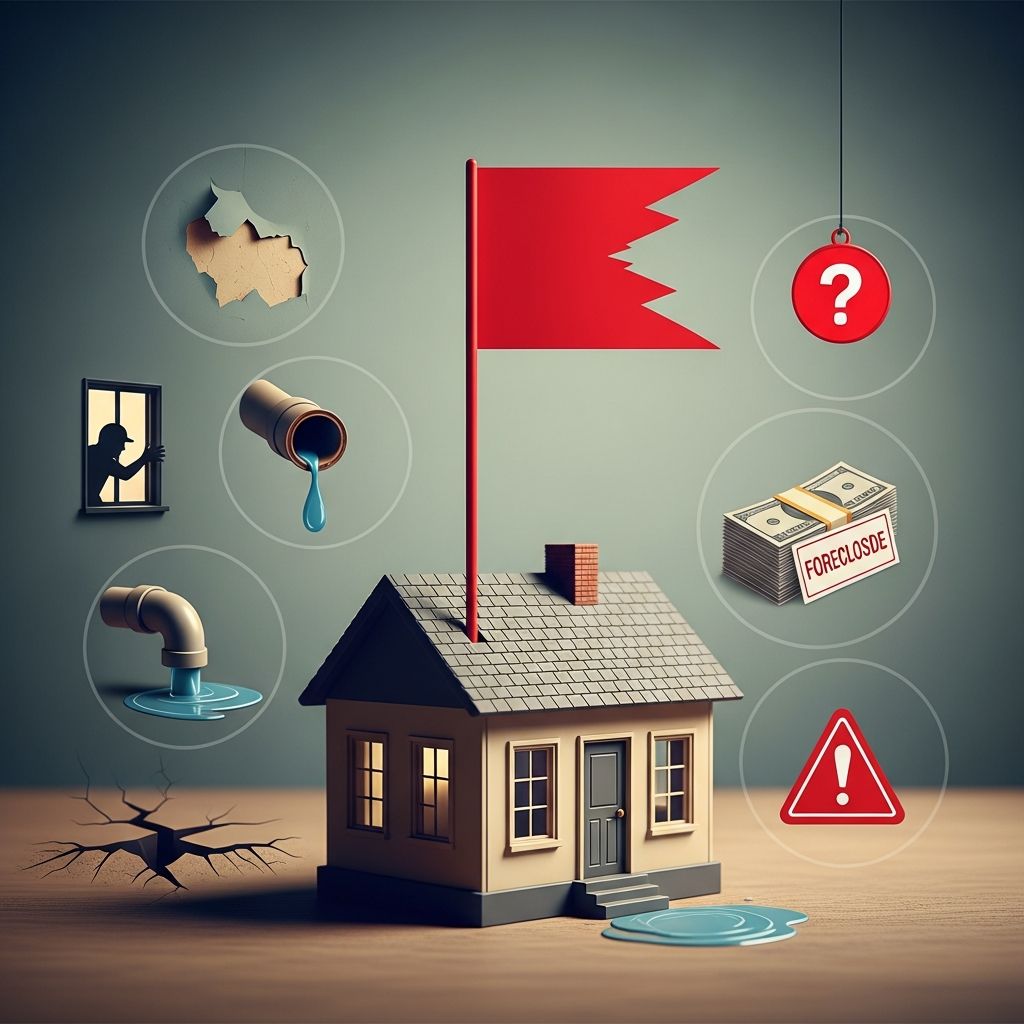
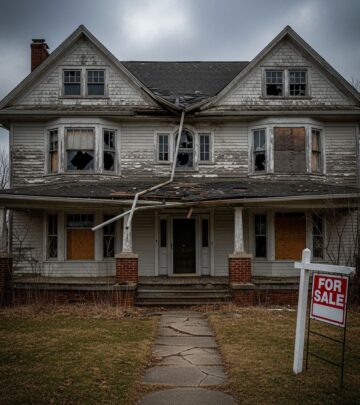
Navigating the home buying process requires vigilance to avoid properties that could turn into financial nightmares. Structural defects, outdated systems, and hidden hazards often emerge as major obstacles, potentially costing thousands in repairs or making a home uninsurable. This guide outlines key red flags, drawing from expert insights and common buyer experiences, to empower you with the knowledge needed for smart decisions.
Structural Integrity: The Foundation of Your Decision
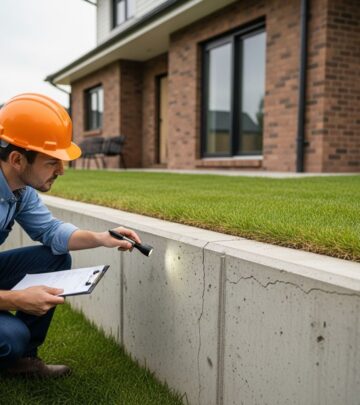
The foundation supports every aspect of a home, so any compromise here demands immediate attention. Cracks wider than a pencil’s width, uneven floors, or doors that stick signal potential settling or water damage. These issues can escalate quickly, leading to wall cracks or even collapse risks if ignored.
Buyers should insist on a professional structural engineer evaluation for suspected problems. Minor settling might be cosmetic, but active movement—evidenced by fresh cracks or sloping—often requires foundation reinforcement, priced between $10,000 and $30,000 depending on severity.
- Visual checks: Look for horizontal cracks or bulging walls.
- Water signs: Soil erosion around the base from poor drainage.
- Test method: Use a level on floors to detect slopes over 1 inch in 20 feet.
Roof and Exterior Vulnerabilities
A failing roof invites water intrusion, fostering mold and rot that undermine the entire structure. Missing shingles, granule loss in gutters, or sagging sections indicate imminent replacement needs. Roofs over 20 years old, especially in harsh climates, rarely last without intervention.
Insurance providers frequently deny coverage or hike premiums for roofs in poor condition, turning a seemingly minor issue into a deal breaker. Expect costs of $8,000 to $20,000 for asphalt shingle replacements, higher for premium materials.
| Roof Age | Expected Lifespan | Action Needed |
|---|---|---|
| Under 10 years | Full | Monitor |
| 10-20 years | Mid | Inspect |
| Over 20 years | End | Replace |
Electrical Systems: Safety First
Outdated wiring like knob-and-tube or aluminum poses fire hazards and insulation incompatibilities. Federal Pacific panels, known for breaker failures, are notorious insurance refusals. Modern codes demand 200-amp service; anything less strains capacity in today’s appliance-heavy homes.
Full rewiring averages $10,000-$20,000, but partial panel upgrades start at $2,000. Test outlets for proper grounding and check for flickering lights under load—these signal overloads.
- Red flags: Exposed wires, frequent trips, or warm outlets.
- Pro tip: Hire a licensed electrician for a dedicated inspection.
Plumbing Pitfalls and Water Woes
Galvanized or lead pipes corrode over time, reducing flow and contaminating water. Polybutylene lines, common in 1980s-90s builds, burst unpredictably. Sewer line blockages from tree roots demand $5,000+ camera scoping and repairs.
Flood history, especially in basements, stems from grading errors or sump pump failures. Verify FEMA flood maps and past claims—elevated zones mean mandatory insurance adding $1,000+ annually.
Hazardous Materials: Hidden Health Risks
Asbestos in pre-1980s insulation, tiles, or siding releases fibers when disturbed, necessitating $2,000-$10,000 abatement. Lead paint in older homes risks family health, particularly children. Urea-formaldehyde foam insulation (UFFI) off-gasses irritants.
Mold thrives in damp areas post-leaks; black mold remediation exceeds $5,000. Air quality tests and remediation quotes are essential before waiving inspections.
Pest Infestations and Wood Damage
Termites, carpenter ants, and wood-boring beetles silently destroy framing. Active infestations show mud tubes, frass (droppings), or hollow-sounding wood. Treatments cost $1,200-$3,000, but structural fixes multiply that.
Require a wood-destroying organism (WDO) report. Past treatments warrant re-inspection for recurrence.
HVAC and Mechanical Systems
Central air units over 15 years inefficiently cycle, spiking utility bills 20-30%. Rusted coils or refrigerant leaks signal end-of-life. Chimney issues like spalling mortar or missing flue liners risk carbon monoxide poisoning.
Energy audits reveal inefficiencies; new systems run $5,000-$12,000 installed.
Neighborhood and Location Drawbacks
Proximity to highways, airports, or industrial sites brings noise pollution eroding property values 5-10%. Flood-prone or high-crime areas amplify risks. Drive by at peak hours and review crime stats via local police sites.
HOA fees over $500/month with poor financials or litigation history burden owners. Scrutinize reserve funds and bylaws.
Financial and Legal Hurdles
Appraisals below purchase price force cash gaps or renegotiations. Unpermitted additions risk code enforcement fines or demolition. Title clouds from liens or easements halt closings.
High property taxes or utilities—check listings for estimates—can exceed budgets. Unfinished remodels deter with completion costs.
Inspection Strategies and Contingencies
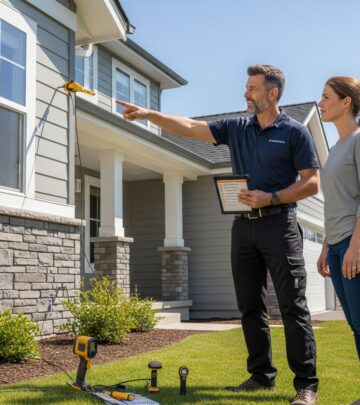
Never skip professional inspections; they uncover 80% of issues invisible to untrained eyes. Make offers contingent on satisfactory reports, allowing negotiation or exit. Budget 1% of home price for inspections covering general, pest, radon, sewer scope.
Walk-throughs catch last-minute changes. Pre-approval secures financing amid rising rates.
Cost Comparison Table
| Issue | Avg. Repair Cost | Severity |
|---|---|---|
| Foundation | $10k-$30k | High |
| Roof | $8k-$20k | High |
| Electrical | $5k-$20k | Medium-High |
| Plumbing | $3k-$15k | Medium |
| Pests | $1k-$5k | Medium |
Frequently Asked Questions
What is the biggest deal breaker when buying a home?
Foundation problems top the list due to high repair costs and structural risks.
Should I buy a house as-is?
Only if inspections confirm no major issues and you’re prepared for surprises. As-is waives seller repairs but not your due diligence.
How much does a home inspection cost?
Typically $300-$500, varying by size and add-ons like radon testing.
Can I negotiate after inspection?
Yes, request credits, repairs, or price reductions based on findings.
What if the home won’t pass appraisal?
Renegotiate price, challenge the appraiser, or walk away to protect financing.
References
- Top Deal Breakers When Buying a Home — Zillow. 2023. https://www.zillow.com/learn/deal-breakers-when-buying-a-home/
- 15 Buyer’s Reasons Why “That’s a Dealbreaker” — Daniel Dobbs. 2022-10-15. https://danieldobbs.org/15-buyers-reasons-why-thats-a-dealbreaker/
- Deal Breakers When Buying a Home | Ask This Old House — YouTube (This Old House). 2023-05-12. https://www.youtube.com/watch?v=WrmgJQUmZ3I
- 5 Home-Buying Deal Breakers And 3 Things That Shouldn’t Matter — Green Residential. 2023. https://www.greenresidential.com/5-home-buying-deal-breakers-and-3-things-that-shouldnt-matter/
- The Needs and Wants Checklist: A Key Homebuying Tool — Framework Homeownership. 2024. https://frameworkhomeownership.org/homebuying-needs-vs-wants/
Similar Articles








Read full bio of Sneha Tete