Top Credit Card Errors Draining Your Wallet
Discover the most damaging credit card habits that inflate your costs and harm your financial future, plus proven strategies to fix them today.
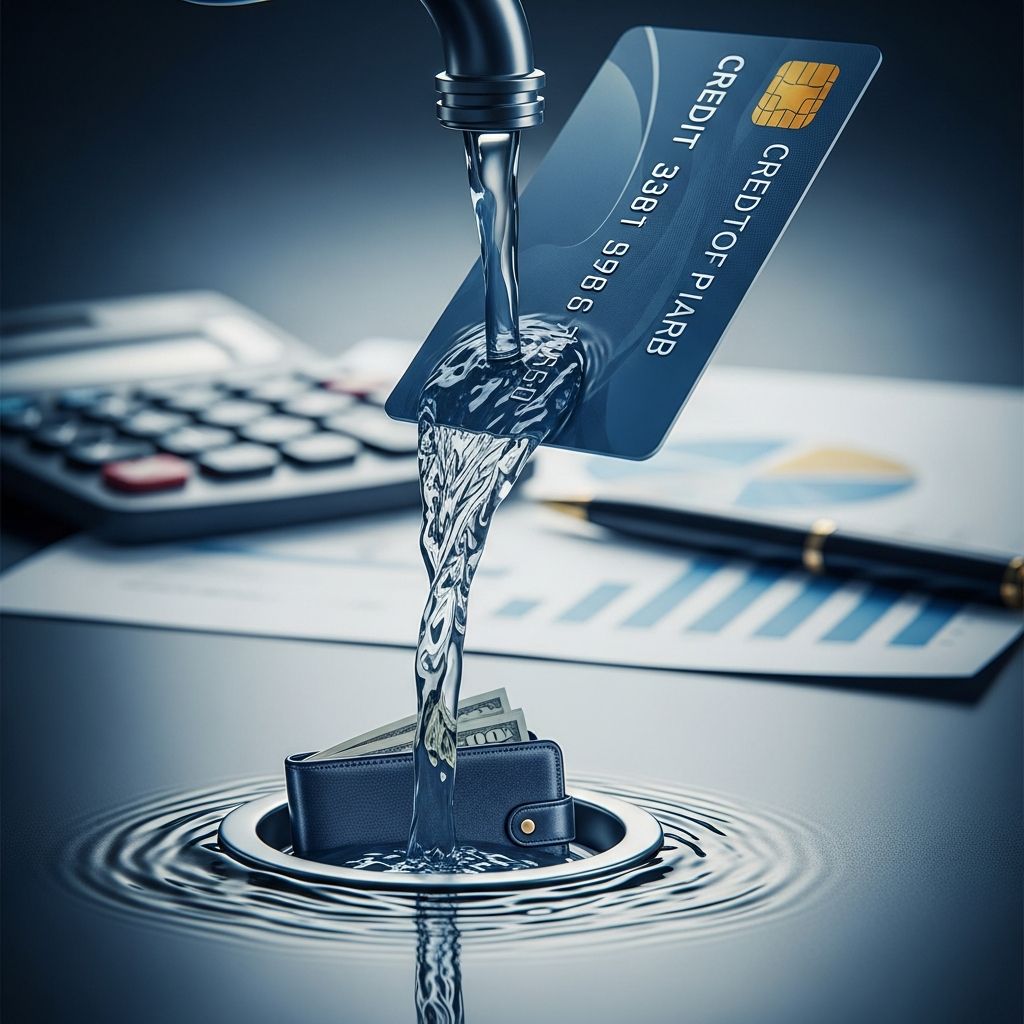
Credit cards offer convenience and rewards, but poor habits can lead to significant financial losses through interest, fees, and lowered credit scores. This article explores key missteps and provides actionable advice to protect your finances.
Understanding the Hidden Costs of Poor Credit Habits
Many users overlook how everyday decisions with credit cards accumulate into major expenses. High interest rates, often exceeding 20%, compound daily on unpaid balances, turning small purchases into large debts over time. Late fees can add $30 to $41 per incident, while damaged credit scores raise borrowing costs across loans and mortgages.
Credit utilization, the ratio of balances to limits, influences about 30% of your score. Exceeding 30% signals risk to lenders, potentially dropping scores by dozens of points. Payment history, the largest factor at 35%, suffers from delays, with even one late payment lingering on reports for seven years.
1. Failing to Clear Balances Monthly
One of the most expensive errors is carrying over balances instead of paying in full each month. Minimum payments cover mostly interest, extending repayment and inflating total costs. For a $1,000 balance at 20% APR with 2% minimum payments, it could take over 30 years to clear, costing hundreds extra in interest.
- Interest compounds on principal and prior charges, snowballing debt.
- High utilization from ongoing balances harms scores, limiting future credit access.
- Opportunity cost: Funds tied to debt can’t build savings or investments.
To break this cycle, track spending to stay within budget, set autopay for full balances, and use cards only for planned expenses. If debt exists, prioritize high-interest cards via avalanche or snowball methods.
2. Ignoring Payment Deadlines
Missing due dates triggers immediate fees and interest penalties, plus score damage. Even occasional lapses hurt, as payment history dominates scoring models. Issuers report negatives after 30 days, but fees hit sooner.
| Mistake | Immediate Cost | Long-Term Impact |
|---|---|---|
| Late Payment | $30-$41 fee + penalty APR | Score drop, 7-year report mark |
| Multiple Lates | Compounded fees/interest | Higher rates on all credit |
Counter this with calendar alerts, autopay at least minimums (ideally full), and app notifications. Contact issuers early for hardship options if needed.
3. Pushing Credit Utilization Too High
Maxing or nearing limits spikes utilization, alarming lenders. Ideal is under 30%, but under 10% optimizes scores. High ratios suggest overextension, even if affordable short-term.
Request limit increases cautiously to boost available credit without new inquiries. Pay mid-cycle to lower reported balances, as statements snapshot utilization. Multiple cards help spread usage, but manage responsibly.
4. Overapplying for New Credit
Frequent applications trigger hard inquiries, each dinging scores by 5-10 points for up to two years. Bunched requests signal distress, worsening impacts.
- Limit to 1-2 per six months.
- Pre-qualify with soft checks first.
- Space out for score recovery.
Research terms thoroughly; compare APRs, fees, and intro periods to avoid surprises like rate hikes post-promo.
5. Overlooking Fine Print and Terms
Not reading agreements leads to hidden fees, variable rates, or unfavorable changes. Intro 0% offers revert high, trapping balances.
Review annual fees, foreign transaction charges, and cash advance rates. Understand grace periods—lost when carrying balances. Track account changes via statements and alerts.
6. Minimum Payments as a Crutch
Minimums seem manageable but perpetuate debt traps. Most goes to interest, barely denting principal. A $5,000 balance at 18% APR with 4% minimums takes 25+ years, costing over $9,000 in interest.
Commit to 10-20% above minimums or full payments. Debt payoff calculators reveal true costs, motivating aggressive repayment.
7. Closing Unused Accounts Prematurely
Shutting old cards shortens credit history (15% of score) and raises utilization if limits vanish. Keep active with small, regular use and full payoff.
Exceptions: High-fee cards or fraud risks. Otherwise, retain for history length and ratio benefits.
Building Better Credit Habits for Long-Term Gains
Proactive steps reverse damage: Monitor reports weekly via free services, dispute errors promptly. Diversify credit mix responsibly. Use secured cards if building from scratch.
Budgeting apps track utilization and due dates. Rewards cards suit full-payers; avoid if carrying debt. Emergency funds reduce reliance, preventing cycles.
Frequently Asked Questions
How long do late payments affect my credit?
Up to seven years, but impact fades over time with positive behavior.
Is 30% utilization safe?
It’s a guideline; aim lower for best scores.
Should I close old cards?
Usually no, to preserve history and limits.
Can I remove inquiries?
Rarely; focus on fewer future ones.
What’s worse: late payment or high utilization?
Both hurt, but payments more due to weight.
Key Takeaways for Financial Freedom
Avoid these pitfalls to save thousands, boost scores, and access better rates. Consistent full payments, low utilization, and timely habits build wealth. Start reviewing statements today for immediate wins.
References
- Top 7 Credit Mistakes to Avoid — Camino Federal Credit Union. 2024. https://www.caminofcu.org/top-credit-mistakes/
- Credit mistakes that could be costing you money — Consumer Financial Protection Bureau. 2023-10-12. https://www.consumerfinance.gov/about-us/blog/credit-mistakes-could-be-costing-you-money/
- Credit Mistakes That May Be Costing You Money — Equifax. 2024. https://www.equifax.com/personal/education/personal-finance/articles/-/learn/credit-mistakes-costing-you-money/
- 5 Big Mistakes Even Smart People Make with Credit Cards — NASA Federal Credit Union. 2024-11-01. https://www.nasafcu.com/blog/detail/5-big-mistakes-even-smart-people-make-with-credit-cards
- 7 Common Credit Card Mistakes You Might Be Making — Oklahoma Central Credit Union. 2024. https://www.oklahomacentral.creditunion/blog/seven-common-credit-card-mistakes-you-might-be-making
- Are Hard Times Pushing You to Make These 6 Credit Card Mistakes? — One Midwest Bank. 2024. https://www.onemidwest.com/resources/blog/are-hard-times-pushing-you-to-make-these-6-credit-card-mistakes/
- Dangers of Credit Cards — Georgia Student Finance Commission. 2024. https://www.gafutures.org/resources/financial-literacy/credit-card-101/dangers-of-credit-cards/
Similar Articles








Read full bio of medha deb