Top Balance Transfer Cards Available Now
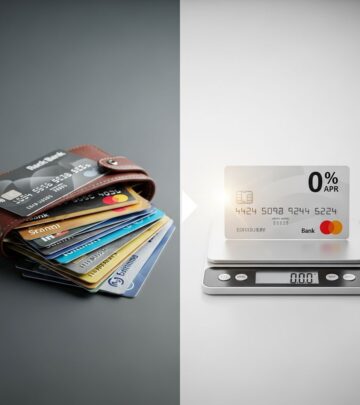
Discover leading credit cards with extended 0% APR periods to consolidate debt and save on interest in 2026.

High-interest credit card debt can accumulate quickly, but balance transfer cards provide a strategic way to pause interest payments and focus on repayment. These cards offer an introductory 0% APR period on transferred balances, typically lasting 12 to 21 months, allowing you to move debt from existing cards to a new one without immediate interest accrual. This guide examines standout options available in 2026, highlighting their key features, benefits, and considerations to help you choose the right card for your financial goals.
Understanding Balance Transfers and How They Work
A balance transfer involves moving debt from one credit card to another, usually to capitalize on a promotional 0% APR offer. During the intro period, no interest applies to the transferred amount, giving you time to pay it down aggressively. Most transfers incur a fee of 3% to 5% of the amount moved, but this is often offset by avoiding ongoing high rates, which can exceed 20% APR.
Success depends on paying off the balance before the promo ends, as regular APRs then apply. New purchases may not qualify for the 0% rate and could accrue interest immediately if you’re carrying a transferred balance. Credit score plays a big role—most top cards require good to excellent credit (FICO 670+).
Key Factors to Evaluate in Balance Transfer Cards
When selecting a card, prioritize these elements:
- Intro APR Length: Longer periods (18-21 months) provide more payoff time.
- Balance Transfer Fee: Look for low or waived fees, especially early on.
- Regular APR: Competitive post-promo rates prevent sticker shock.
- Rewards and Perks: Cash back or bonuses can add value if you pay off debt promptly.
- Additional Fees: No annual fee is ideal; avoid late fees if possible.
Compare these across issuers like Citi, Wells Fargo, Chase, and others for the best fit.
Leading Balance Transfer Card Recommendations
Here are three top-performing cards based on current offers, balancing long intro periods, fees, and extras.
1. Wells Fargo Reflect® Card: Extended Payoff Window
The Wells Fargo Reflect® Card stands out with one of the longest intro APRs, making it ideal for larger debts needing extended repayment. It offers 0% intro APR for 21 months on qualifying balance transfers and purchases, followed by a variable APR of 17.49%-28.24%.
Balance transfers must occur within 120 days of opening to qualify. The fee is 5% ($5 minimum), standard but reasonable. No annual fee, no foreign transaction fees, and cell phone protection add utility. While no rewards program exists, the focus is pure debt reduction.
| Feature | Details |
|---|---|
| Intro APR (BT) | 0% for 21 months |
| BT Fee | 5% ($5 min) |
| Annual Fee | $0 |
| Rewards | None |
Best for those with substantial balances who want maximum time without interest.
2. Citi® Diamond Preferred® Card: Long BT Focus
Designed specifically for debt payoff, the Citi® Diamond Preferred® Card provides 0% intro APR for 21 months on balance transfers (12 months on purchases), then 16.49%-27.24% variable APR.
A low intro BT fee applies for transfers within 4 months: 3% ($5 min), rising to 5% after. No annual fee, late fees, or penalty APRs make it forgiving for imperfect payment habits. No rewards, but the extended BT window and fee perks shine.
| Feature | Details |
|---|---|
| Intro APR (BT) | 0% for 21 months |
| BT Fee | 3% intro ($5 min), then 5% |
| Annual Fee | $0 |
| Other Perks | No late/penalty fees |
Ideal if you prioritize a long no-interest period with cost-saving fee structure.
3. Citi Double Cash® Card: Rewards with Solid Intro
For those wanting rewards alongside debt transfer, the Citi Double Cash® Card delivers 0% intro APR for 18 months on balance transfers, then 17.49%-27.49% variable APR.
Earn unlimited 2% cash back on everything—1% on purchase, 1% on payment. BT fee is 3% ($5 min) for first 4 months. No annual fee. A welcome bonus may apply via partners. Payoff focus remains key to maximize rewards without new debt.
| Feature | Details |
|---|---|
| Intro APR (BT) | 0% for 18 months |
| BT Fee | 3% ($5 min) |
| Annual Fee | $0 |
| Rewards | 2% cash back |
Great for everyday spenders who transfer debt and value ongoing cash back.
Other Notable Options Worth Considering
Beyond the top three, these cards offer competitive terms:
- Citi Simplicity® Card: Up to 21 months 0% on BTs, no late/penalty fees, low intro fee.
- Chase Freedom Unlimited®: 15 months 0% on BTs/purchases, 1.5%-5% cash back.
- Wells Fargo Active Cash® Card: 12-15 months 0%, 2% cash back, $200 bonus.
- Blue Cash Everyday® from Amex: 15 months 0%, 1-3% cash back, $200 bonus.
Step-by-Step Guide to Executing a Balance Transfer
- Check Eligibility: Review your credit score and current balances.
- Apply and Get Approved: Prequalify if possible to avoid hard inquiries.
- Initiate Transfer: Request via new card’s site/phone; provide old account details.
- Time It Right: Complete within promo window (often 60-120 days).
- Pay Aggressively: Divide total by months left for minimum payments.
- Avoid New Charges: Use another card for purchases during payoff.
Track via app/statements; set autopay to dodge fees.
Potential Pitfalls and How to Avoid Them
Common mistakes include:
- Not calculating total cost (fees + lost grace periods).
- Making purchases on the transfer card, triggering immediate interest.
- Missing the payoff deadline, facing high retroactive rates.
- Multiple transfers inflating fees without proportional savings.
Mitigate by using calculators from issuer sites and committing to a strict budget.
Who Qualifies and Approval Tips
These cards target good/excellent credit. Boost odds by:
- Paying down utilization below 30%.
- Updating income/reporting positively.
- Prequalifying on issuer sites (soft pull).
If denied, consider secured cards or credit-builder options first.
FAQ
What is the longest balance transfer intro APR available?
21 months on cards like Wells Fargo Reflect® and Citi Diamond Preferred®.
Are there balance transfer cards with no fees?
Rare; most charge 3-5%. Check for promo waivers.
Can I transfer from one card of the same issuer?
Usually no—transfers within family (e.g., two Citi cards) prohibited.
Does a balance transfer hurt my credit score?
Temporarily: hard inquiry and utilization spike. Long-term positive if paid off.
What if I can’t pay off before promo ends?
Regular APR applies to remaining balance; plan payments accordingly.
Final Thoughts on Choosing Your Card
Select based on debt size, payoff timeline, and spending habits. Long-promo no-rewards cards suit pure consolidation; reward options fit if disciplined. Apply soon—offers change. Responsible use can save hundreds in interest, paving way to financial freedom.
References
- Which Balance Transfer Credit Card Is Best for Me? — NerdWallet. 2026. https://www.nerdwallet.com/credit-cards/learn/choosing-balance-transfer-card
- Best Balance Transfer Credit Cards of 2026 — Experian. 2026. https://www.experian.com/credit-cards/best-balance-transfer/
- Best Balance Transfer Cards for March 2026 — Credit Karma. 2026-03. https://www.creditkarma.com/credit-cards/balance-transfer
- Balance Transfer Credit Cards: Compare Offers — Chase. 2026. https://creditcards.chase.com/balance-transfer-credit-cards
- Balance Transfer Credit Cards — Wells Fargo. 2026. https://creditcards.wellsfargo.com/balance-transfer-credit-cards/
Similar Articles








Read full bio of medha deb