Top 10 Alternative Energy Companies: Leading the Global Renewable Revolution
Discover the world's leading renewable energy companies driving sustainable power generation globally.
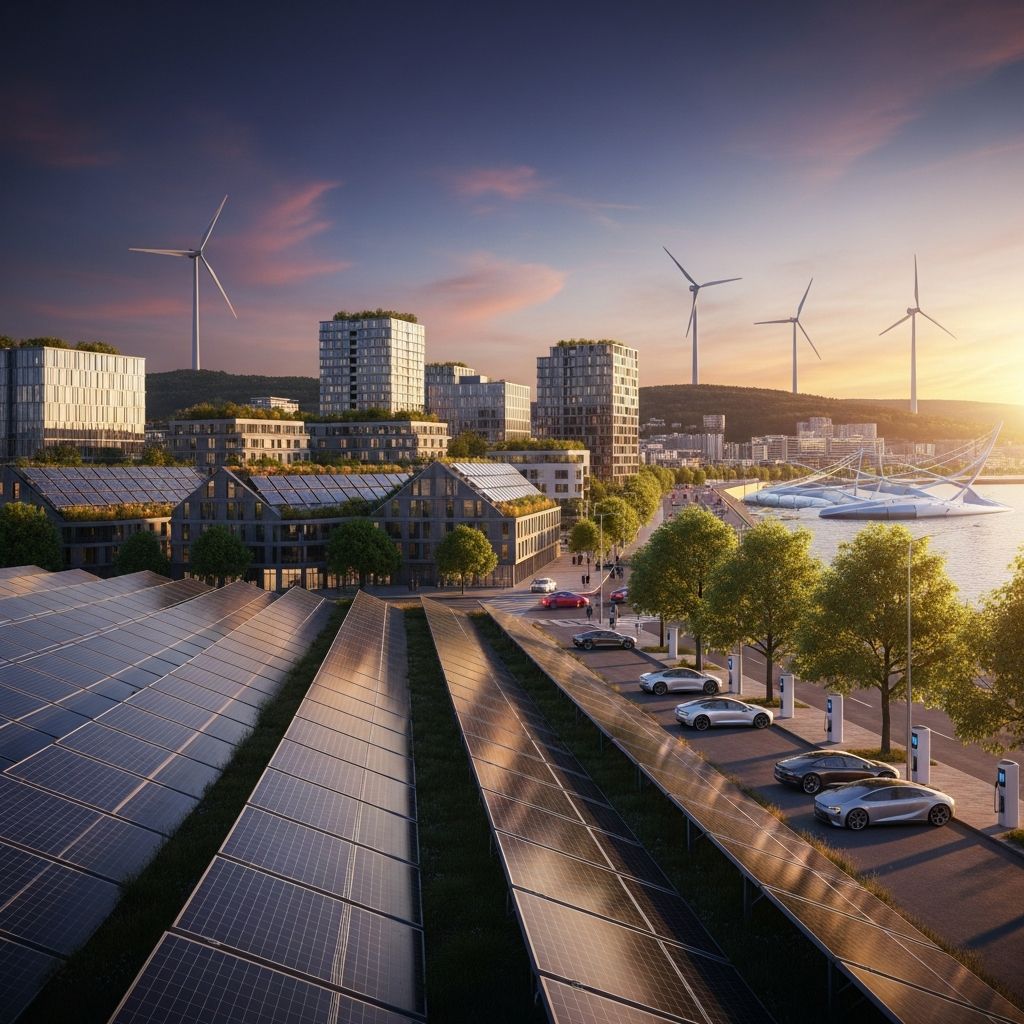
The renewable energy sector has experienced unprecedented growth over the past decade, transforming the global energy landscape. As governments worldwide commit to carbon neutrality and climate change mitigation, alternative energy companies have emerged as crucial players in building a sustainable future. These companies span multiple renewable technologies, including wind power, solar energy, hydroelectric facilities, and energy storage solutions. Understanding the major players in this space can help investors identify opportunities in the rapidly expanding clean energy market.
The largest renewable energy companies are headquartered in Spain and Denmark, but other significant players are based in China, the United States, Canada, and other nations committed to renewable energy development. These organizations demonstrate the global nature of the alternative energy industry and the widespread recognition that renewable power is essential for meeting future energy demands sustainably.
The Leading Renewable Energy Companies
1. Orsted A/S (DNNGY) – Denmark’s Renewable Energy Pioneer
Orsted stands as one of the world’s largest renewable energy companies, headquartered in Denmark with a revenue of $51.45 billion and a market capitalization of $52.97 billion. The company is a multinational power provider specializing in renewable energy solutions with a primary focus on offshore wind farms. Orsted’s wind power segment develops, constructs, and operates some of the world’s most advanced offshore wind facilities, positioning the company at the forefront of wind energy innovation.
Beyond wind power, Orsted operates a bioenergy and thermal power segment that manages combined heat and power plants, providing comprehensive energy solutions across multiple renewable platforms. The company has established an ambitious goal to become carbon neutral in both operations and energy production by 2025, demonstrating its commitment to sustainability. With a 1-year trailing total return of -33.19%, the company’s stock reflects the broader volatility in renewable energy equities.
2. Iberdrola SA (IBDRY) – Spain’s Electric Utility Giant
Iberdrola, based in Spain, represents one of the world’s largest electric utility companies with revenue of $36.90 billion and an impressive market capitalization of $71.19 billion. The company specializes in clean energy generation, distribution, and trading, with a diverse portfolio encompassing onshore and offshore wind, pumped hydro, solar photovoltaic systems, and battery storage technologies. This diversification strategy allows Iberdrola to serve multiple renewable energy segments and reduces dependence on any single technology.
Operating across six continents, Iberdrola maintains a significant international presence in the U.S., U.K., Spain, Mexico, Brazil, Portugal, Greece, Japan, and Australia. This global footprint enables the company to capitalize on renewable energy opportunities across different regions and regulatory environments. Despite a 1-year trailing total return of -15.79%, Iberdrola continues to be recognized as a stable player in the renewable energy sector with strong financial fundamentals.
3. JinkoSolar Holding Co. Ltd. (JKS) – China’s Solar Power Leader
JinkoSolar, a China-based solar power company, demonstrates the rising prominence of Asian renewable energy manufacturers. With revenue of $33.95 billion and a market cap of $1.33 billion, JinkoSolar manufactures comprehensive solar energy products, including silicon ingots, wafers, solar cells, and complete solar modules. The company also provides integrated solar system services, offering end-to-end solutions for customers worldwide.
JinkoSolar’s global distribution network extends across the United States, Europe, Asia, Africa, and Latin America, reflecting the company’s position as a truly international solar manufacturer. Notably, JinkoSolar has achieved exceptional returns, posting a 1-year trailing total return of 223.33%, significantly outperforming many peers in the renewable energy sector. This strong performance reflects growing global demand for solar products and JinkoSolar’s success in scaling manufacturing operations.
4. Vestas Wind Systems A/S (VWDRY) – Global Wind Turbine Leader
Vestas Wind Systems, with revenue of $15.2 billion and a market capitalization of $38.86 billion, stands as a major manufacturer of wind turbines and wind power systems. The company specializes in developing and producing turbines for onshore and offshore wind applications, serving the growing global demand for wind energy infrastructure. With operations worldwide, Vestas has established itself as a critical supplier to the renewable energy sector.
5. Siemens Gamesa Renewable Energy SA (GCTAY) – Spanish Wind Engineering Excellence
Siemens Gamesa, headquartered in Spain, operates as a specialized wind engineering company with revenue of $9.48 billion and a market capitalization of $23.24 billion. The company manufactures both onshore and offshore wind turbines, turbine gearboxes, off-grid systems, and related equipment while providing comprehensive maintenance and reconditioning services. This full-service approach positions Siemens Gamesa as a valuable partner throughout the wind turbine lifecycle.
With installations in over 90 countries globally, Siemens Gamesa has established itself as a truly international wind energy provider. The company’s 1-year trailing total return of 112.63% demonstrates strong market performance and investor confidence in its business model. However, the company faced challenges reflected in a net loss of $920 million during the trailing twelve months, indicating pressures common to many renewable energy manufacturers.
6. Brookfield Renewable Partners LP (BEP) – Hydroelectric Power Leader
Brookfield Renewable Partners operates one of the world’s largest portfolios of renewable power-generating facilities with revenue of $3.58 billion. The company maintains a primary focus on hydroelectric power operations while also owning and operating wind, solar, distributed generation, and energy storage facilities across multiple continents. This diversified approach allows Brookfield to optimize energy generation across different weather conditions and seasonal variations.
7. First Solar Inc. (FSLR) – Advanced Solar Technology Provider
First Solar generates revenue of $3.5 billion and represents an important player in advanced solar technology manufacturing. The company specializes in developing innovative solar solutions and manufacturing capabilities that address the growing demand for solar energy infrastructure worldwide.
8. Canadian Solar Inc. (CSIQ) – North American Solar Solutions
Canadian Solar operates as a significant North American renewable energy company with revenue of $3.36 billion. The company combines solar energy operations with biomass-based diesel production and related renewable fuel initiatives, diversifying its renewable energy portfolio across multiple technology platforms.
9. Additional Market Leaders
The renewable energy sector includes numerous other significant players beyond the top eight, each contributing unique capabilities and technologies to the global clean energy transition.
10. SunPower Corp. (SPWR) – Solar Power Innovation
SunPower concludes the list of major renewable energy companies with revenue of $1.39 billion and a market capitalization of $3.56 billion. Despite its smaller scale relative to other companies on this list, SunPower has demonstrated exceptional growth with a 1-year trailing total return of 218.66%, reflecting strong investor interest in its solar technology and solutions. The company’s focus on innovation and customer-centric solar products has positioned it well within the rapidly evolving solar market.
Key Performance Metrics and Financial Overview
| Company | Revenue (TTM) | Market Cap | 1-Year Return | Exchange |
|---|---|---|---|---|
| Orsted A/S | $51.45 billion | $52.97 billion | -33.19% | OTC |
| Iberdrola SA | $36.90 billion | $71.19 billion | -15.79% | OTC |
| JinkoSolar Holding Co. | $33.95 billion | $1.33 billion | 223.33% | NYSE |
| Vestas Wind Systems | $15.2 billion | $38.86 billion | N/A | OTC |
| Siemens Gamesa | $9.48 billion | $23.24 billion | 112.63% | OTC |
| SunPower Corp. | $1.39 billion | $3.56 billion | 218.66% | NASDAQ |
Technology Segments Driving the Renewable Energy Sector
Offshore Wind Power
Offshore wind represents one of the most significant growth areas in renewable energy. Companies like Orsted have pioneered the development and operation of massive offshore wind farms that harness powerful ocean winds to generate substantial quantities of electricity. Offshore wind facilities offer higher capacity factors and stronger, more consistent winds compared to onshore installations, making them increasingly attractive for regions with coastal access.
Onshore Wind and Solar Energy
Traditional onshore wind farms and solar photovoltaic installations continue to represent the largest segments of global renewable energy capacity. Companies like Iberdrola, Vestas, and Siemens Gamesa serve the ongoing demand for wind turbines and related infrastructure, while solar manufacturers like JinkoSolar and SunPower drive innovation in photovoltaic technology and manufacturing efficiency.
Hydroelectric and Energy Storage
Hydroelectric power provides reliable, dispatchable renewable energy with high capacity factors and storage capability. Brookfield Renewable Partners’ focus on hydroelectric power combined with emerging energy storage technologies addresses the critical challenge of renewable energy intermittency and grid stability.
Global Expansion and Strategic Positioning
The top renewable energy companies have established extensive international operations, recognizing that clean energy transition represents a global imperative. These companies operate across multiple continents, serving diverse regulatory environments and customer bases. International expansion allows renewable energy companies to diversify revenue streams, access growing markets in developing regions, and benefit from different regional policies supporting renewable energy adoption.
Investment Considerations and Market Dynamics
Renewable energy companies demonstrate varied financial performance and growth trajectories. While some companies like JinkoSolar and SunPower have achieved exceptional returns exceeding 200% over trailing twelve-month periods, others like Orsted and Iberdrola have experienced negative returns. These variations reflect different market conditions, supply chain challenges, policy changes, and technology-specific dynamics affecting renewable energy sectors.
The Future of Alternative Energy
The alternative energy sector remains positioned for substantial long-term growth as governments worldwide implement increasingly ambitious climate targets and phase out fossil fuel dependence. Renewable energy companies continue to innovate, reduce costs, and expand capacity to meet growing global energy demands sustainably. The top ten companies discussed represent diverse technologies, geographies, and business models, collectively driving the transition toward a cleaner, more sustainable energy future.
Frequently Asked Questions
Q: What distinguishes the top renewable energy companies?
A: Leading renewable energy companies differentiate themselves through technological innovation, global operational scale, diverse renewable energy portfolios, and commitment to carbon neutrality. Companies like Orsted and Iberdrola maintain significant market capitalizations and international presence, while specialized manufacturers like JinkoSolar and Vestas lead their respective technology segments.
Q: Which renewable technology segment shows the strongest growth potential?
A: Solar energy and offshore wind represent the fastest-growing segments currently. Companies like JinkoSolar have demonstrated exceptional performance, while offshore wind investments from companies like Orsted reflect anticipated long-term growth in marine renewable energy infrastructure.
Q: How do alternative energy companies generate revenue?
A: Renewable energy companies generate revenue through multiple channels including manufacturing and selling renewable energy equipment (turbines, solar panels, components), operating renewable power-generating facilities, providing maintenance and technical services, and selling electricity generated from renewable sources.
Q: What risks do renewable energy companies face?
A: Key risks include supply chain disruptions, fluctuating raw material costs, regulatory changes affecting renewable energy subsidies, grid integration challenges, competition from other energy sources, and technology obsolescence. Companies like Siemens Gamesa have experienced net losses reflecting these pressures.
Q: How can investors evaluate renewable energy company investments?
A: Investors should examine revenue growth trajectories, profitability metrics, market capitalization, geographic diversification, technology differentiation, and alignment with global renewable energy policies. Comparing companies’ performance across different market conditions provides insights into their resilience and growth potential.
References
- 10 Biggest Renewable Energy Companies in the World — Investopedia. 2022-08-02. https://www.investopedia.com/investing/top-alternative-energy-companies/
- U.S. House Committee on Oversight and Reform: 10 Biggest Renewable Energy Companies in the World — U.S. House of Representatives. 2022-07-27. https://docs.house.gov/meetings/GO/GO00/20220727/115024/HHRG-117-GO00-20220727-SD006.pdf
- Global Status Report on Renewable Energy — REN21 (Renewable Energy Policy Network for the 21st Century). 2024. https://www.ren21.net/reports/global-status-report/
- Renewable Energy Sources and Climate Change Mitigation — Intergovernmental Panel on Climate Change (IPCC). 2011. https://www.ipcc.ch/report/ar5/wg3/
- International Energy Agency: Renewable Energy Market Update — International Energy Agency (IEA). 2024. https://www.iea.org/reports/renewable-energy-market-update
Similar Articles








Read full bio of medha deb