Top 5 Differences Between Business and First Class
Understand the key distinctions between premium airline cabins and choose the right class for your travels.
When it comes to premium air travel, two options stand out for travelers seeking elevated comfort and service: business class and first class. While both offer significant upgrades from economy seating, they represent different levels of luxury, pricing, and amenities. Understanding the distinctions between these two cabin classes can help you make an informed decision about which premium travel experience best suits your needs and budget.
For business executives, leisure travelers, and those seeking enhanced comfort, the choice between business class and first class often hinges on several key factors. Whether you’re motivated by cost considerations, specific amenities, or the overall travel experience, knowing exactly what separates these two premium offerings is essential. Let’s explore the five major differences that set business class and first class apart.
1. Seating Configuration and Space
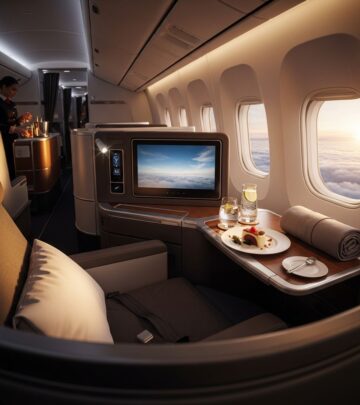
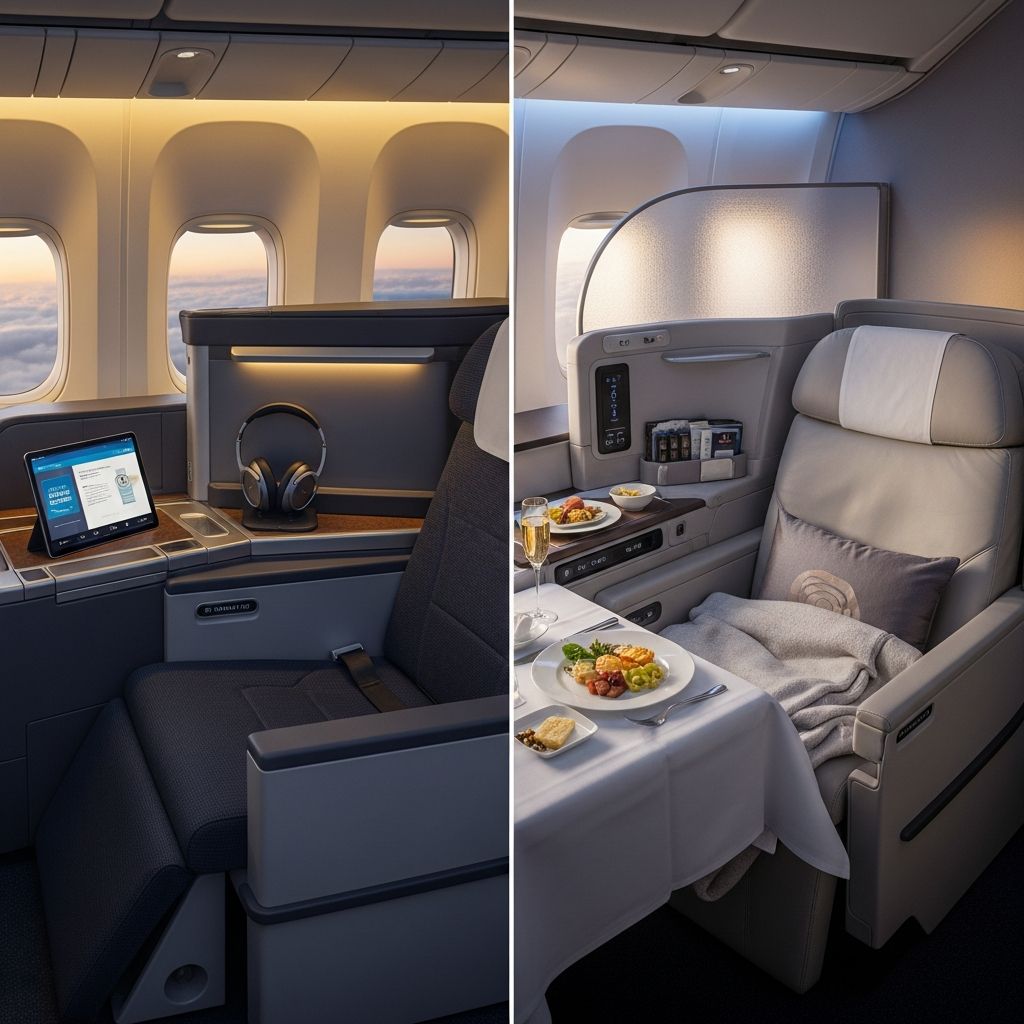
One of the most immediate differences you’ll notice when stepping into business versus first class is the seating arrangement and available space. First class cabins are designed with exclusivity in mind, featuring significantly fewer seats than business class, which creates an intimate and private atmosphere.
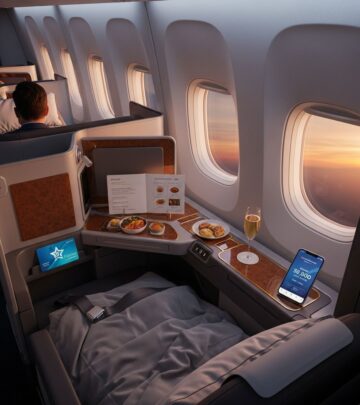
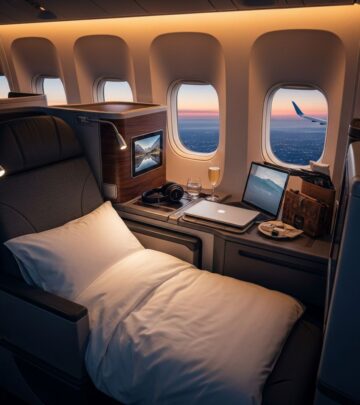
First Class Seating: First class typically offers enclosed suites or semi-private compartments with direct aisle access. Many modern first class cabins feature doors that fully close, providing complete privacy during your flight. Seats are substantially larger, often measuring over 6.5 feet in length when converted to a fully flat bed. The width of first class seats frequently exceeds 3 feet, providing ample personal space. Premium airlines like Lufthansa, SWISS, and Singapore Airlines have invested heavily in creating first class suites that rival luxury hotel rooms in their sophistication.
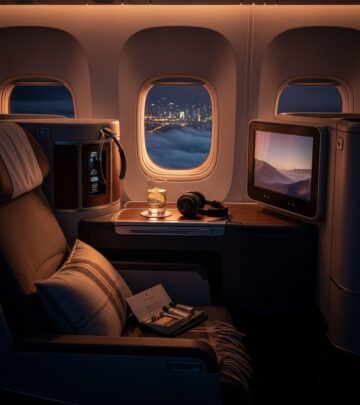
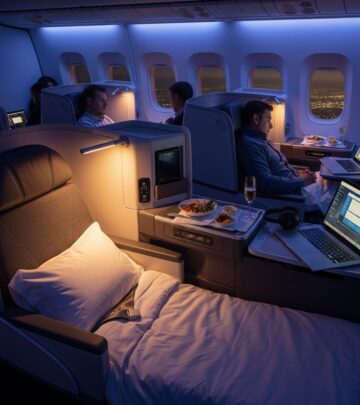
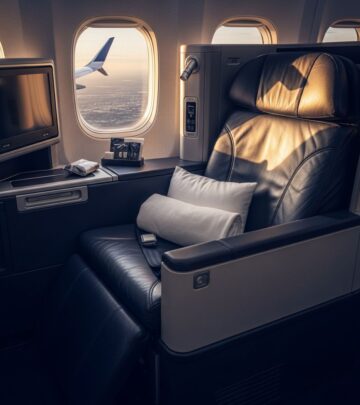
Business Class Seating: Business class seats, while generous compared to economy, are configured in open cabin layouts. These seats typically feature lie-flat capabilities on long-haul flights, extending to approximately 6 to 6.5 feet. However, they are arranged in rows, often in a herringbone or direct-aisle configuration. The seats are narrower than first class counterparts, usually ranging from 2.2 to 2.6 feet wide. While still highly comfortable and spacious, business class doesn’t offer the same level of privacy as first class.
The spatial difference is particularly noticeable on long-haul international flights where you’ll spend extended periods in your seat. First class offers a retreat-like environment, while business class provides comfort without the added privacy of enclosed suites.
2. Dining and Beverage Service
The culinary experience represents another significant distinction between these premium cabins. Airlines invest substantially in the dining offerings of both classes, but first class receives notably elevated treatment.
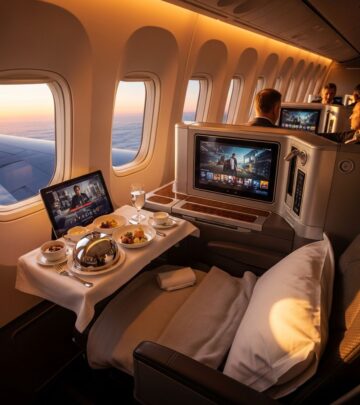
First Class Dining: First class passengers enjoy cuisine prepared by or under the direction of Michelin-starred chefs. Menus are often customized to passenger preferences, with advance ordering available. Beverages include rare champagnes, vintage wines, and premium spirits curated by expert sommeliers. Fine dining presentation is meticulous, with premium service ware and multiple courses served throughout the flight. Some first class cabins even feature onboard dining rooms or bars where passengers can socialize and dine in greater comfort.
Business Class Dining: Business class offers gourmet dining with restaurant-quality meals, though prepared by professional chefs rather than celebrity or Michelin-starred culinary masters. Menu options are typically pre-selected rather than fully customized, though special dietary requirements are accommodated. Premium beverages are available, including quality wines and champagnes, though selections may be more limited than in first class. The dining service is professional and thorough, though somewhat less elaborate than first class presentations.
The dining service schedule also differs, with first class often providing meal service at times convenient to the passenger’s preference, while business class follows a more structured schedule.
3. Amenities and In-Flight Services
Beyond seating and dining, the range of amenities provided in each cabin class differs substantially. First class amenities are designed to provide a comprehensive luxury experience, often including services unavailable in business class.
First Class Amenities Include:
- Luxury amenity kits from premium brands containing skincare products, fragrances, and grooming essentials
- Premium bedding, including high-thread-count linens and down pillows
- Advanced in-flight entertainment systems with noise-canceling headphones
- Onboard shower spas on ultra-long-haul flights (available on select airlines)
- Personalized service from dedicated flight attendants
- Priority baggage handling with premium luggage tags
- Exclusive amenities such as pajamas and robes
- Complimentary spa services and wellness programs
Business Class Amenities Include:
- Quality amenity kits with skincare and personal care items
- Comfortable bedding and premium pillows
- Modern in-flight entertainment with quality headphones
- Direct aisle access on many aircraft
- Attentive flight attendant service
- Priority baggage handling
- Complimentary newspapers, magazines, and reading materials
- Business center access on select flights
The fundamental difference is that first class amenities are often bespoke and luxury-focused, while business class amenities, though comprehensive, emphasize functionality and comfort rather than exclusivity.
4. Lounge Access and Ground Services
The experience begins before you board and extends after you land, with significant differences in lounge access and ground services between these two classes.
First Class Lounge Experience: First class passengers access exclusive lounges designed with luxury in mind. These lounges are intentionally smaller and more intimate than business class lounges, catering to an ultra-premium clientele. Amenities typically include fine dining prepared by professional chefs, extensive wine and champagne selections, premium spirits, and attentive service from highly trained staff. Many first class lounges feature spa facilities, shower suites, and cigar rooms. The atmosphere emphasizes discretion and sophistication, with personalized service and attention to detail.
Business Class Lounge Experience: Business class lounges are more expansive, accommodating greater numbers of passengers. They provide comfortable seating, complimentary food and beverage options, business centers with computers and meeting facilities, shower facilities, and television areas. The atmosphere is professional and welcoming, though less exclusive than first class lounges.
Ground Services: First class passengers receive VIP chauffeur service to and from the airport, dedicated check-in counters, and expedited security processing. They may even board directly from vehicles to the aircraft stairs on some airlines. Business class passengers receive priority check-in and boarding, though typically not VIP ground transportation unless specifically included with their booking or elite status.
5. Pricing and Value Proposition
Perhaps the most obvious difference between business and first class is the price. First class tickets typically command premium prices that far exceed business class fares on the same route.
| Factor | Business Class | First Class |
|---|---|---|
| Price Range | Mid-range premium pricing | Ultra-premium, highest pricing |
| Price Differential | 2-4x economy price | 4-10x+ economy price |
| Baggage Allowance | 2-3 checked bags (usually 50 lbs each) | Unlimited baggage (often 70+ lbs per bag) |
| Miles/Points Earning | Higher multiplier than economy | Highest multiplier available |
| Elite Status Benefits | Good status recognition | Maximum status recognition |
The price difference between business and first class varies significantly based on airline, route, season, and booking timing. On some routes, first class can cost two to three times more than business class. However, for many travelers, business class offers compelling value, providing substantial luxury upgrades over economy without the extreme premium of first class pricing.
Many airlines now recognize this value proposition and are investing heavily in elevating business class experiences. Airlines like Qatar Airways with their Qsuite and American Airlines with their new business class suites are blurring the lines between business and first class, offering business class passengers experiences that rival traditional first class offerings.
Which Class Should You Choose?
Choose First Class If: You’re seeking the ultimate in luxury and privacy, you have the budget to accommodate premium pricing, you want to experience the finest dining and most exclusive amenities, you value personalized service and attention to detail, or you’re traveling on an ultra-long-haul flight where maximum comfort is a priority.
Choose Business Class If: You want significant comfort upgrades without extreme price premiums, you’re traveling on business and need productivity features, you want to maximize airline miles and points value, you’re flying medium to long-haul distances and want lie-flat beds and quality service, or you prefer the value-for-money proposition of premium comfort at more accessible pricing.
Booking Strategies
Many travelers book business and first class tickets using airline miles and points rather than cash. Premium cabin awards often provide exceptional value, particularly when booking with airline miles during off-peak travel periods. Credit card sign-up bonuses can provide enough points for first or business class redemptions, making premium travel more accessible.
Upgrade opportunities also exist for passengers holding elite status, with airlines sometimes offering complimentary upgrades from economy to business or business to first class based on availability.
Frequently Asked Questions
Q: Is business class the same as first class?
A: No. While both are premium cabin offerings, first class represents a higher level of luxury with superior amenities, more exclusive seating configurations, enhanced dining experiences, and better ground services. Business class offers enhanced comfort and services compared to economy but without the extreme premium or exclusivity of first class.
Q: How much more expensive is first class than business class?
A: First class typically costs significantly more than business class, often ranging from 50% to 300% higher depending on the airline, route, and booking time. On some international routes, first class may cost several times more than business class.
Q: Is first class worth the extra cost?
A: This depends on your priorities and budget. First class offers superior comfort, privacy, amenities, and service. However, many business class offerings now rival first class in quality. If you value privacy and the finest amenities and have the budget, first class may be worthwhile. For most travelers, business class provides excellent value.
Q: Do both classes offer lie-flat beds?
A: Most business class seats on long-haul flights feature lie-flat capability. First class seats also feature lie-flat beds, typically larger and with more privacy than business class. Short and medium-haul flights in both classes may not offer fully flat beds.
Q: Can I upgrade from business to first class?
A: Yes, if both cabins are available on your flight. You can typically purchase an upgrade at the airport or online before boarding, depending on availability and airline policy. Elite frequent flyers may receive complimentary upgrades based on their status level.
Q: Which airlines offer the best first class?
A: Airlines known for exceptional first class experiences include Lufthansa, SWISS, Singapore Airlines, Cathay Pacific, Emirates, and Air France. Each offers unique suite configurations and premium amenities, though specific experience varies by airline and aircraft type.
Q: Can I book first or business class with airline miles?
A: Yes. Many airline loyalty programs allow you to book first or business class seats using accumulated miles or points. Premium cabin awards often provide exceptional value, particularly when booked during off-peak periods. Credit card sign-up bonuses can also help accumulate sufficient points for premium bookings.
References
- Business Class vs First Class: Main Differences Explained — Business Class. 2025. https://www.businessclass.com/airlines/articles/business-class-vs-first-class
- The Guide to Business & First Class Flights — NerdWallet Travel. 2025. https://www.nerdwallet.com/travel/learn/first-time-flying-first-class
- Understanding Airline Premium Cabin Services — International Air Transport Association (IATA). 2024. https://www.iata.org
Similar Articles








Read full bio of medha deb