Title Insurance: 5 Steps To Secure Your Property
Discover how title insurance shields your property investment from hidden ownership risks and legal disputes throughout your ownership.
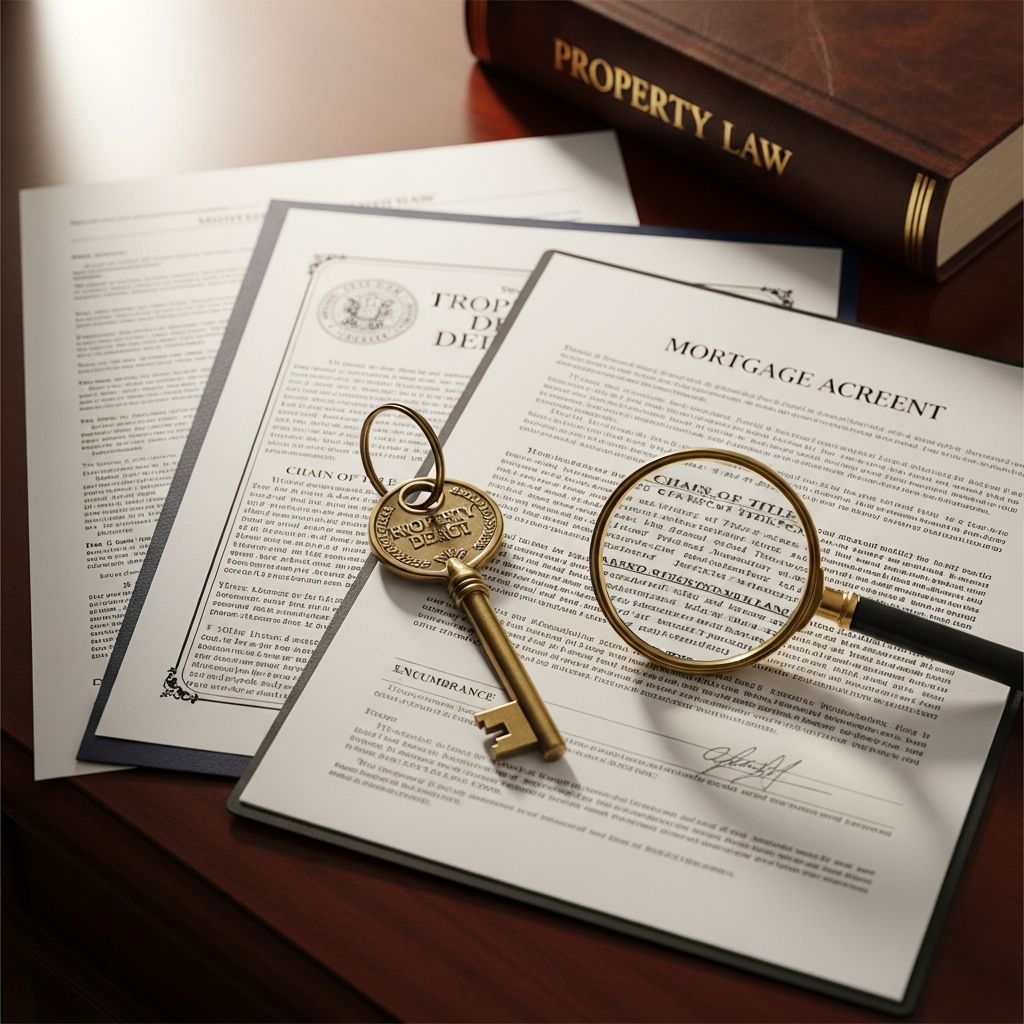
Title Insurance Essentials
Acquiring a property represents one of the largest financial commitments most individuals undertake. Amid the excitement of homeownership, potential pitfalls from the property’s past can emerge, threatening your investment. Title insurance serves as a critical safeguard, offering protection against unforeseen ownership disputes and financial losses stemming from historical title problems.
Understanding the Core Concept of Title Insurance
Title insurance is a specialized policy designed to defend property owners and lenders against losses arising from defects in the title that predate the purchase. Unlike standard homeowners insurance, which addresses future perils like fire or theft, title insurance focuses on past issues. These might include unpaid taxes, forgotten liens, or errors in public records.
The process begins with a meticulous title search, where professionals examine decades of records to identify and resolve potential problems before closing. This proactive step minimizes risks, but the policy provides indemnity if hidden defects surface later. Premiums are paid once at closing, with no ongoing payments required.
Key Risks Title Insurance Addresses
Property histories are complex, often spanning multiple owners and transactions. Common title defects include:
- Fraud or forgery: Instances where documents were falsified, such as impersonation by fraudulent sellers.
- Unrecorded liens or judgments: Debts from prior owners that attach to the property, like unpaid contractor bills or mortgages.
- Recording errors: Mistakes in public records, such as improper indexing or clerical oversights.
- Missing heirs or undisclosed claims: Legal challenges from unknown relatives or previous co-owners.
- Boundary disputes or encroachments: Issues revealed by surveys showing overlaps with neighboring properties.
- Unreleased mortgages or taxes: Obligations that were supposedly cleared but remain active.
Statistics highlight the prevalence: approximately 36% of real estate deals encounter title complications needing resolution. Without coverage, resolving these could cost thousands in legal fees and lost equity.
Two Primary Types of Title Policies
Title insurance comes in two main forms, each serving distinct parties in the transaction.
Lender’s Title Insurance: Safeguarding the Mortgage Provider
Most lenders mandate this policy to protect their financial stake in the property. It covers the lender up to the loan amount against title defects that could impair their ability to recover funds, such as through foreclosure.
Key advantages include:
- Ensuring the lender’s lien is valid and enforceable.
- Facilitating smoother foreclosure processes if the borrower defaults.
- Protection lasting the mortgage term, without additional cost to the lender.
Buyers typically pay for this at closing, as it’s a loan condition, but it does not extend benefits to the homeowner.
Owner’s Title Insurance: Long-Term Protection for Buyers
This optional yet highly recommended policy shields the homeowner’s equity for as long as they or their heirs own the property. It covers losses up to the purchase price, including legal defense costs.
| Feature | Lender’s Policy | Owner’s Policy |
|---|---|---|
| Protected Party | Lender only | Homeowner and heirs |
| Duration | Until loan payoff | Indefinite ownership |
| Mandatory? | Usually yes | Optional |
| Coverage Limit | Loan amount | Purchase price |
Owner’s policies exclude known issues at purchase but defend against surprises, providing peace of mind.
How Title Insurance Works in Practice
During escrow, a title company conducts an extensive search of records, often back 60 years or more. They issue a preliminary title report outlining covered risks and exceptions. At closing, the policy activates upon premium payment.
If a claim arises—say, a contractor lien from 20 years ago—the insurer steps in: paying valid claims, defending lawsuits, or negotiating resolutions. Coverage includes attorney fees, making it comprehensive.
Costs and Value Considerations
Premiums are one-time fees based on property value, varying by state and provider. Rates are regulated in many areas for fairness. While exact figures depend on location, the expense often represents a fraction of the home price but protects the full value.
Shop around for the best rate, as multiple companies may offer identical coverage. Enhanced policies provide broader protection for slightly higher premiums, covering issues like post-policy fraud.
Common Misconceptions Debunked
- “A title search guarantees a clean title.” Searches are thorough but not infallible; insurance bridges the gap.
- “Homeowners insurance covers title issues.” No—homeowners policies handle physical damage, not ownership disputes.
- “It’s only for lenders.” Owner’s coverage is vital for personal protection.
- “Claims are rare.” True, due to preventive searches, but when they occur, costs can be substantial.
When to Purchase and Additional Protections
Buy during the initial transaction for the best rates—adding later costs more. Consider endorsements for specific risks, like mechanics’ liens or zoning violations.
Related services include closing protection letters, guarding against escrow fraud, and surveys for boundary confirmation.
Frequently Asked Questions (FAQs)
What exactly does title insurance cover?
It protects against pre-existing title defects like liens, forgeries, or errors, including legal costs to resolve them.
Is owner’s title insurance required?
No, but it’s strongly advised to protect your investment beyond the lender’s interests.
How much does it cost?
A one-time premium tied to property value; use state-regulated calculators for estimates.
Does it cover future problems?
No, only issues from before closing. Future risks fall under other insurances.
What if I refinance?
A new lender’s policy is needed; owner’s policy transfers without extra cost.
Can I file a claim years later?
Yes, as long as you own the property and the defect predates your purchase.
Steps to Secure Title Insurance
- Request a title search early in the buying process.
- Review the preliminary commitment for exceptions.
- Compare quotes from reputable title companies.
- Purchase both policies at closing for full protection.
- Retain policy documents safely for future reference.
Understanding title insurance empowers buyers to make informed decisions, ensuring their property investment remains secure.
References
- Title Insurance: What Is Title Insurance and What Does It Cover? — National Association of Realtors. 2023. https://www.nar.realtor/magazine/tools/client-education/handouts-for-buyers/what-is-title-insurance
- What is Title Insurance? — Old Republic Title. 2024. https://www.oldrepublictitle.com/homeowners/education/what-is-title-insurance/
- What is title insurance and why do I need it? — First American. 2024. https://www.firstam.com/home-buying-guide/what-is-title-insurance-and-why-do-i-need-it/
- What is owner’s title insurance? — Consumer Financial Protection Bureau. 2023-10-01. https://www.consumerfinance.gov/ask-cfpb/what-is-owners-title-insurance-en-164/
- What is title insurance? Why do I need it for my new house? — Texas Department of Insurance. 2024. https://www.tdi.texas.gov/tips/title-insurance.html
- The Vitals on Title Insurance: What you need to know — National Association of Insurance Commissioners. 2023. https://content.naic.org/article/consumer-insight-vitals-title-insurance-what-you-need-know
Similar Articles








Read full bio of Sneha Tete