Christmas Tree Savings: Smart Tips To Save This Holiday
Smart strategies to cut costs on your holiday Christmas tree without sacrificing quality or tradition this season.
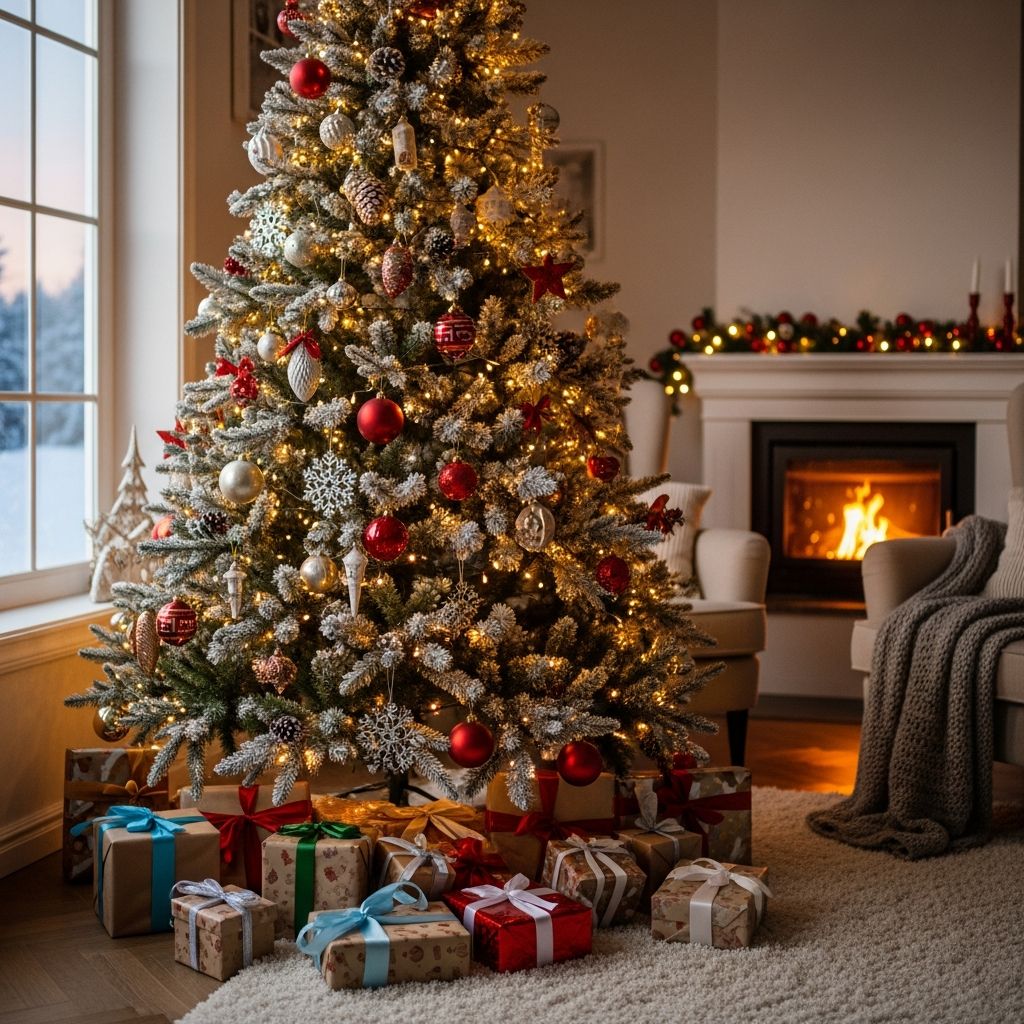
The holiday season brings joy, family gatherings, and the iconic Christmas tree. But with rising costs, buying a Christmas tree can strain your budget. The good news? You can enjoy a beautiful tree without overspending. This guide shares practical tips to save money, from selecting the freshest trees at lower prices to proper care that extends their life and even considering artificial alternatives. Whether you prefer the scent of a real fir or the convenience of faux, these strategies help you cut costs while keeping traditions alive.
Shop Early for the Best Deals
Timing is everything when saving on Christmas trees. Head to local lots or farms right after Thanksgiving when inventory is fresh and prices are often lowest. Trees cut 3-4 weeks prior arrive at peak freshness, but lots offer introductory discounts to attract early shoppers. Waiting until mid-December means slimmer pickings and higher prices as premium trees sell out.
Visit choose-and-cut farms for the best value. These spots let you select your own tree, often at 20-30% less than retail lots since there’s no middleman. Many farms bundle deals like tree shaking (to remove loose needles) and baling for free. Pro tip: Call ahead for opening dates and current pricing—some offer multi-tree discounts for families or groups.
- Shop the weekend after Thanksgiving for freshest stock and deals.
- Compare prices at multiple local farms using apps or community boards.
- Avoid last-minute buys; opt for mid-sized trees (6-8 feet) which cost less per foot than giants.
Choose the Right Tree Variety for Value
Not all Christmas trees are equal in price or longevity. Opt for varieties known for needle retention and strong branches to get more holiday for your money. Fir trees dominate for good reason: they hold needles well and fill out nicely without excessive shedding.
Fir Trees: Top Budget Performers
Firs offer excellent value with flexible branches, pleasant fragrance, and superior needle retention. The Fraser fir stands out—blue-green needles with silvery undersides, stiff branches for heavy ornaments, and one of the best retention rates, lasting up to 6 weeks indoors. It’s ideal for families, holding up against kids and pets. Other winners include balsam fir (deep green, strong scent) and Douglas fir (soft needles, budget-friendly).
- Fraser fir: Excellent retention, strong branches—perfect for value.
- Balsam fir: Classic look, aromatic, good for smaller budgets.
- Douglas fir: Dense, soft needles; suits lighter decorations.
Pine Trees: Sturdy and Affordable
Pines provide strong branches for ornaments and good needle hold at lower prices. Scotch pine is hardy with soft needles, ideal for colder regions and transport. Virginia pine offers a classic scent and straight trunk, common in the South. Eastern white pine adds variety with long needles that retain well.
Spruce Trees: Bold Look on a Budget
Spruces have dense, cone shapes for lots of decorations but need vigilant watering. Colorado blue spruce boasts silvery blue needles and fragrance, though sharp—handle with care. Norway and white spruces are solid alternatives if freshness is key.
| Tree Type | Key Features | Best For | Avg. Cost Savings Tip |
|---|---|---|---|
| Fraser Fir | Strong branches, great retention | Families, heavy ornaments | Buy mid-size for 15-20% less |
| Scotch Pine | Sturdy, transport-friendly | Cold climates | Farm-direct pricing |
| Colorado Blue Spruce | Silvery color, full shape | Bold displays | Water daily to extend life |
How to Pick a Fresh Tree That Lasts
Freshness ensures your tree survives the season, saving replacement costs. Test rigorously: Shake gently—few brown needles are okay, but green ones signal dryness. Check from 5-8 feet away for symmetry, density, and straight trunk. Needles should flex but snap sharply; avoid stiff, pull-off easily ones.
Run hands over branches: Crush needles for fresh scent. Feel for moisture—waxy, vibrant green is best. Fir needles are flat up to 1.5 inches; pines cluster 1-6 inches.
- Shake test: Minimal green needle drop.
- Visual check: Full shape, no visible trunk.
- Needle test: Flexible, snappy, scented.
Where to Buy for Maximum Savings
Tree farms yield freshest trees cheapest. Retail lots from local farms are next, cut post-Thanksgiving. Skip big-box chains for markup; community lots or nonprofits often discount. Online? Convenient but riskier—check reviews, policies. Boy Scout or church lots support causes at low prices.
Care Tips to Make Your Tree Last Longer
Proper care prevents premature drop, saving money. At home, cut 1/2-1 inch off the base to open sap seal for water uptake. Soak in bucket hours before stand. Position away from heat/radiators—cool spots slow decay. Fill stand daily; use tree preservatives if available.
Keep moist: Misty spray branches weekly. Wear gloves—resins sticky. Let branches settle post-transport before decorating. Straighten in stand: Tighten screws with help.
- Fresh cut: Essential for hydration.
- Location: Cool, away from heat/fruit bowls.
- Water: Daily fills, check levels.
Consider Artificial Trees for Long-Term Savings
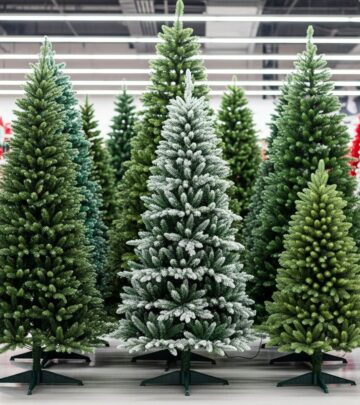
Artificial trees eliminate yearly buys, paying off after 3-5 seasons. Choose realistic ones: Measure space (12+ inches ceiling gap). Look for sturdy bases, pre-lit options to save on lights. Storage matters—hinged designs fluff easily.
Pros: No shedding, reusable, hypoallergenic. Cons: Upfront cost, less scent (add sprays). Brands like Balsam Hill offer lifelike firs. Hybrid: Flocked real trees or scent-infused faux.
DIY Hacks and Creative Budget Ideas
Trim bottom branches to fit stands cheaply. Bundle with wreaths at farms. Post-holiday: Chip for mulch or burn safely. Upsize savings: Smaller trees cheaper per inch, easier lights.
Tabletop trees for apartments: Adorable, low-cost. Grow-your-own: Plant post-season (if living tree).
Frequently Asked Questions (FAQs)
Q: When should I buy my Christmas tree?
A: Early, post-Thanksgiving, for best selection, freshness, and deals. Farms offer cut-your-own savings.
Q: Which tree lasts longest?
A: Fraser fir excels in needle retention, up to 6 weeks with care.
Q: Real or artificial—which saves more?
A: Artificial for multi-year use; real for one-season tradition on budget.
Q: How do I keep a real tree fresh?
A: Fresh cut base, daily water, cool spot away from heat.
Q: What’s the cheapest place to buy?
A: Local farms or nonprofit lots for direct, fresh deals.
Final Thoughts on Holiday Savings
Smart shopping and care let you enjoy a stunning Christmas tree affordably. Prioritize fresh varieties like Fraser fir, test rigorously, hydrate diligently. Artificial? Ultimate long-term save. Merry holidays without the financial stress!
References
- How to Choose the Best Live Christmas Tree — Lowe’s. 2023. https://www.lowes.com/n/buying-guide/choosing-a-christmas-tree
- Pick the Perfect Christmas Tree: 9 Species and Care Tips — This Old House. 2023. https://www.thisoldhouse.com/holiday/how-to-pick-the-perfect-christmas-tree
- Choosing an Artificial Christmas Tree: The Ultimate Buyer’s Guide — Balsam Hill. 2023. https://www.balsamhill.com/inspiration/how-to-choose-the-right-artificial-tree
- Real Christmas trees: Which one is right for you? — Michigan State University Extension. 2023. https://www.canr.msu.edu/news/choosing_the_right_christmas_tree
- How to Choose A Real Christmas Tree — Dan Cooper Garden. 2023. https://www.dancoopergarden.com/blogs/advice-inspiration/choosing-a-real-christmas-tree
Similar Articles








Read full bio of Sneha Tete