5 Must-Dos Before Leaving the House for 3 Months or 3 Days
Discover essential pre-travel tips to save money and protect your home when leaving it unoccupied for any duration.
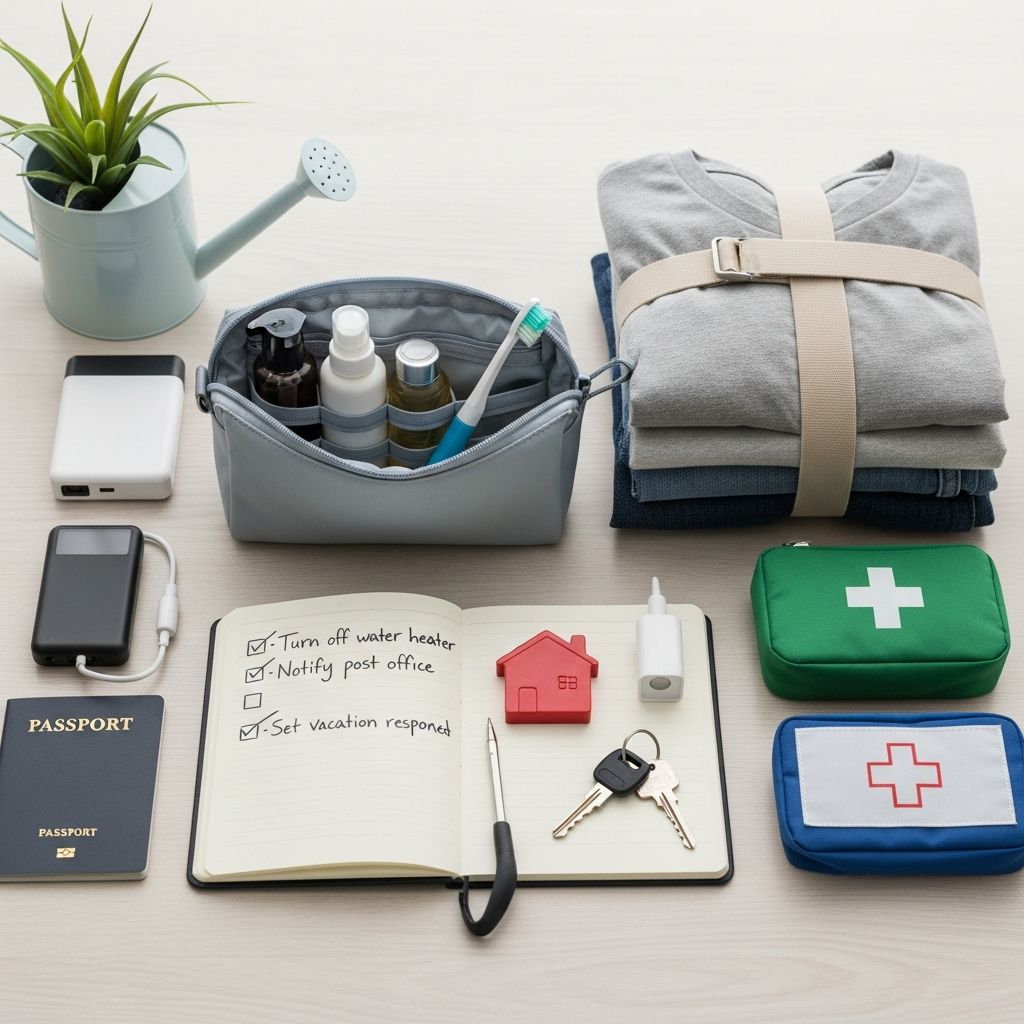
Whether it’s a quick weekend getaway, an extended trip abroad, or a military deployment, you’re packed up and ready to go. Before you lock the door behind you, consider these opportunities to save money on a vacant house and enjoy your trip without financial worries. By implementing simple pre-travel strategies, you can reduce utility bills, prevent costly damage, and deter potential intruders.
5 Things to Do Before Going on a Trip and Leaving Your House Unoccupied
When leaving your home unoccupied—even for just a few days—prioritize these five essential actions to optimize efficiency and security:
- Adjust your thermostat to save on heating and cooling costs.
- Stock up your refrigerator for better energy performance.
- Turn off your water to avoid floods and leaks.
- Unplug energy vampires that drain power standby.
- Protect your house and deliveries from theft and neglect.
These steps, recommended by energy experts and home safety professionals, can lead to significant savings and peace of mind.
1. Adjust Your Thermostat — But Not Too Much
Why heat or cool your home when no one is there to enjoy it? Adjusting your thermostat a few degrees before departure can yield substantial energy savings. According to Duke Energy spokesperson Ana Gibbs, “A few degrees cooler or warmer can have a significant impact. Adjusting by 3 degrees every day can save you 30% on energy bills.”
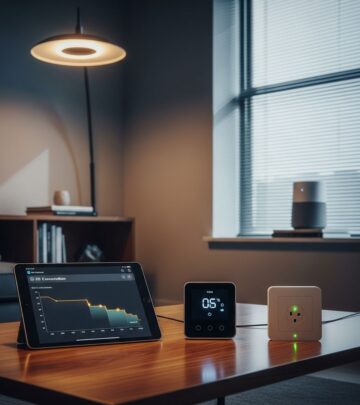
If equipped with a programmable or smart thermostat, activate vacation mode to automatically maintain an efficient temperature. For winter, set it to around 55°F (13°C); in summer, aim for 78-85°F (26-29°C). Avoid extreme changes to prevent pipe freezing or mold growth. The U.S. Department of Energy confirms that every degree adjustment below 78°F in summer saves 3-4% on cooling costs, potentially reducing bills by 10-20% during absences.
Pro Tip: Smart thermostats like Nest or Ecobee learn your habits and allow remote adjustments via app, ensuring optimal settings without guesswork.
2. Stock Up Your Refrigerator
This tip might seem counterintuitive—most people empty the fridge before trips to avoid spoilage. However, a fully stocked refrigerator runs more efficiently. Ana Gibbs explains that a fuller fridge maintains cold temperatures better with less compressor cycling, lowering energy use.
If your fridge isn’t typically full, fill empty spaces with sealed water containers or ice cube trays. These act as thermal mass, stabilizing internal temperatures. For trips under four weeks, this approach works best. Beyond that, empty and unplug the unit to prevent mold and save more power.
The U.S. Department of Energy notes that refrigerators account for about 7% of household electricity use. Keeping it stocked can improve efficiency by 10-15%. Always discard perishables first and clean shelves to avoid odors upon return.
| Fridge Status | Trip Length | Recommended Action | Estimated Savings |
|---|---|---|---|
| Stocked | < 4 weeks | Fill with water jugs | 10-15% energy reduction |
| Empty | > 4 weeks | Unplug and clean | Full appliance power savings |
3. Turn Off Your Water
Avoid returning from vacation to a flooded home by shutting off the main water supply before leaving. Burst pipes, overflowing toilets, or leaky faucets can cause thousands in damage. Locate your main shut-off valve (often near the water meter or basement) and turn it clockwise until secure.
If fully shutting off water feels risky—concerns include irrigation systems or fire sprinklers—target high-risk areas. Plumbing expert Abrams highlights that burst washing machine hoses cause the most accidental floods. Isolate the valve behind your washer to mitigate this.
Drain residual water from lines by opening low faucets after shutdown. The Federal Emergency Management Agency (FEMA) reports that water damage affects over 1 million homes annually, costing billions. Proactive shut-off prevents up to 90% of such claims.
- Flush toilets to empty bowls.
- Run cold water faucets until dry.
- Shut refrigerator icemaker valves.
4. Unplug Energy Vampires
Energy vampires—devices drawing power in standby mode—suck up to 20% of your monthly electricity bill. TVs, gaming consoles, chargers, coffee makers, and even toothbrushes continue consuming energy when ‘off.’ Unplug them all before leaving.
Use power strips for easy control of multiple devices; flip the switch to cut phantom loads entirely. The U.S. Department of Energy estimates standby power wastes $100-200 yearly per household. Eliminating it during absences amplifies savings.
Common Vampires and Annual Costs:
- TV: $50-100
- Game Console: $30-50
- Charger: $10-20
- Coffee Maker: $20-40
Smart power strips auto-shutoff when devices are idle, offering convenience for frequent travelers.
5. Protect Your House and Deliveries
An unoccupied home signals vulnerability to thieves. Beyond locking doors and windows, address absence cues. Piled mail and packages scream ’empty house.’ Pause USPS mail via usps.com/holdmail or enlist a trusted friend for collections.
Automate lighting with timers or smart bulbs to simulate occupancy—turn lamps on 6-10 PM daily. Motion-sensor lights enhance deterrence. NerdWallet advises yard maintenance: Mow lawns, trim shrubs, and clear gutters to avoid an abandoned look.
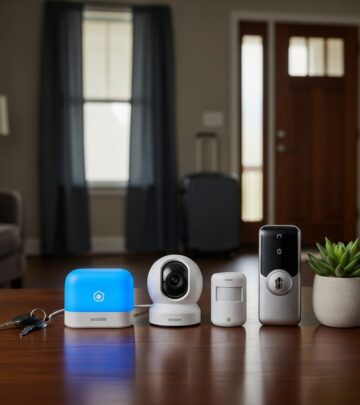
Install smart devices: Doorbell cameras (e.g., Ring), leak sensors, and smoke detectors alert your phone instantly. Have a neighbor check periodically—FEMA emphasizes trusted check-ins reduce break-in risks by 50%.
Security Checklist:
- Timers on interior/exterior lights
- Hold mail/packages
- Neighbor check-ins (weekly)
- Security system activation
- Curtains partially open
Additional Tips for Extended Absences (Over 1 Month)
For trips exceeding 30 days, insurance considerations arise. Standard homeowners policies may limit coverage for ‘vacant’ homes (unoccupied >60 days). Notify your insurer and explore endorsements. Beef up security with alarms; consider professional monitoring.
Clean gutters per FEMA guidelines to prevent water damage. Use smart-home tech for remote monitoring—apps notify of anomalies like open doors or temperature swings.
Frequently Asked Questions (FAQs)
Q: How much can I save by adjusting my thermostat for a trip?
A: Up to 30% on energy bills by shifting 3 degrees daily, per Duke Energy.
Q: Should I empty my fridge for long trips?
A: Yes, for over 4 weeks—unplug to save power and prevent mold.
Q: What if I can’t shut off all water?
A: Isolate high-risk appliances like washers; drain lines partially.
Q: Do smart plugs really help with energy vampires?
A: Yes, they eliminate standby power, saving $100+ yearly.
Q: How often should someone check my empty house?
A: Weekly for security and maintenance, especially in bad weather.
Why These Tips Matter for Your Wallet and Peace of Mind
Implementing these five must-dos not only slashes unnecessary expenses—potentially hundreds per trip—but safeguards against disasters costing thousands. Energy savings alone from thermostat tweaks and unplugging can cover groceries; water shut-off averts flood claims averaging $10,000+. Travel confidently knowing your home is protected and efficient.
References
- 5 Must-Dos Before Leaving the House for 3 Months or 3 Days — The Penny Hoarder. 2023. https://www.thepennyhoarder.com/save-money/tips-to-leave-empty-house/
- Unoccupied and Vacant Home Insurance: What to Know — NerdWallet. 2024-10-15. https://www.nerdwallet.com/insurance/homeowners/learn/unoccupied-vacant-home-insurance
- Energy Saver: Thermostats — U.S. Department of Energy. 2025-01-01. https://www.energy.gov/energysaver/thermostats
- Water Damage Statistics — Federal Emergency Management Agency (FEMA). 2024. https://www.fema.gov/emergency-managers/risk-management/hazard-mitigation-policies/water-damage
- Standby Power — U.S. Department of Energy. 2025. https://www.energy.gov/energysaver/standby-power
Similar Articles








Read full bio of Sneha Tete