Timing Your Vehicle Trade-In: A Strategic Guide
Master the optimal moments to upgrade your vehicle and maximize financial returns.

Deciding when to trade in your vehicle is not merely a matter of personal preference—it’s a financial decision that can significantly impact your wallet. The timing of your trade-in directly influences the value you receive, the costs associated with your new purchase, and your overall financial position. Understanding the optimal moments to transition to a new vehicle can mean the difference between a smart investment and a costly mistake.
Understanding Vehicle Depreciation Patterns
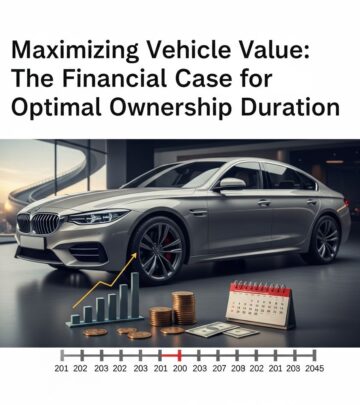
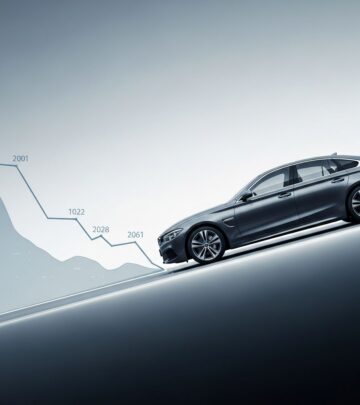
The foundation of any successful trade-in strategy begins with comprehending how vehicle values decline over time. Most vehicles experience their steepest depreciation during the first three years of ownership, with many cars losing 40-50% of their original purchase price within this period. This rapid early decline means that trading in a vehicle too soon can result in substantial losses relative to the purchase price.
After the initial three-year mark, depreciation rates typically stabilize somewhat, though vehicles continue to lose value with each passing year and accumulated mileage. By understanding these depreciation curves, you can identify windows when your vehicle still retains reasonable value but has moved past the most dramatic value losses. This knowledge allows you to position yourself for a trade-in that represents fair market value without the penalty of premature disposal.
The Mileage Milestone Factor
Mileage serves as one of the most significant determinants of trade-in value alongside age. Dealerships and appraisers carefully track odometer readings because mileage directly correlates with wear, mechanical stress, and remaining vehicle lifespan. The traditional benchmark of 12,000 miles annually represents average driving patterns, and vehicles exceeding this significantly may face value reductions.
Critical mileage thresholds exist at 60,000 miles, 100,000 miles, and 120,000 miles. Each of these milestones represents psychological and practical breaking points in the automotive market. A vehicle with 95,000 miles typically commands better trade-in value than one with 105,000 miles, even if the difference represents only a few weeks of driving. Strategically timing your trade-in to occur just before reaching these significant mileage markers can preserve hundreds or thousands of dollars in retained value.
Evaluating Your Loan Balance Against Vehicle Worth
For many vehicle owners, understanding the relationship between what they owe and what their vehicle is worth becomes crucial to trade-in timing. When you owe more on your loan than your vehicle’s current market value—a situation known as being “underwater” on your loan—trading in becomes complicated and potentially expensive.
Before initiating trade-in discussions, obtain an accurate assessment of your vehicle’s current value through resources like Kelley Blue Book or Edmunds. Compare this figure against your outstanding loan balance. If you’re underwater, waiting for your vehicle to appreciate (which rarely happens) or for you to pay down the loan balance may be preferable. Conversely, if your vehicle’s value exceeds your remaining loan balance, you possess positive equity that can be applied toward your next vehicle, creating a more favorable trade-in scenario.
Seasonal Market Dynamics and Dealer Incentives
The automotive market experiences predictable seasonal fluctuations that directly impact trade-in values and dealer willingness to negotiate. Understanding these patterns positions you to trade during periods of maximum dealer flexibility and customer opportunity.
End-of-Month and Quarterly Periods: Dealerships operate under monthly and quarterly sales quotas. As these reporting periods conclude, sales teams become increasingly motivated to complete transactions, often resulting in more generous trade-in appraisals and better overall package deals. Trading during the final week of the month or in the last days of a fiscal quarter frequently yields superior negotiating positions.
Year-End Inventory Clearance: As the calendar year concludes, dealers actively work to clear previous model year inventory to make room for incoming vehicles. This creates opportunities for buyers seeking either current-year models or previous-year vehicles at reduced prices, with dealers simultaneously offering stronger trade-in valuations to facilitate these transitions.
Seasonal Weather Patterns: Winter months typically see reduced automotive shopping activity, meaning lower customer volume but potentially greater dealer attention and flexibility. Conversely, spring and early summer bring peak buying seasons with increased competition among buyers and less dealer incentive to negotiate favorable trade-in terms.
Maintenance Records and Vehicle Condition Assessment
The condition of your vehicle at trade-in time substantially influences the appraised value. Vehicles requiring significant repairs or showing evidence of deferred maintenance receive substantially lower valuations. Strategically timing your trade-in before major maintenance becomes necessary—such as transmission fluid changes, brake service, or other significant work—preserves more value than trading after these expenses mount.
However, addressing minor cosmetic issues and ensuring your vehicle receives a thorough cleaning before trade-in appraisal consistently results in higher valuations. Dealership appraisers look for indicators of owner care, and a well-maintained appearance suggests proper internal maintenance. If your maintenance records demonstrate regular service and responsible ownership, trading at a time when your vehicle’s condition reflects this care becomes valuable.
Interest Rate Environment and Financing Considerations
The broader economic context, particularly interest rates for auto financing, significantly influences the financial wisdom of trading in vehicles. When interest rates are elevated, the monthly payment impact of financing a vehicle purchase intensifies, potentially making your current vehicle more valuable to retain—at least temporarily—until rate environments improve.
Conversely, when interest rates are historically low, the financing component of a new vehicle purchase becomes more favorable, making the timing potentially advantageous for trading in and purchasing a replacement vehicle. Additionally, personal credit score improvements often translate to better interest rate offers, and timing your trade-in to coincide with periods when you’ve strengthened your credit profile can result in substantial long-term savings.
Warranty Expiration and Extended Coverage Timing
Many vehicle owners overlook the relationship between warranty status and trade-in timing decisions. Once manufacturer warranties expire—typically after three years or 36,000 miles—the financial responsibility for repairs shifts entirely to the owner. For vehicles approaching or just beyond warranty expiration, trading in before major out-of-pocket repair needs emerge becomes strategically sensible.
Similarly, if you’re considering extended warranty or service contract purchases, these represent additional costs that may not transfer to a new owner, making them poor investments if you’re planning to trade in your vehicle soon. Conversely, if you’re keeping your vehicle longer, extended coverage might provide value. This consideration should factor into your trade-in timing calculus.
Personal Financial Readiness and Budget Cycles
Beyond market and vehicle-specific factors, personal financial circumstances significantly influence optimal trade-in timing. Trading in your vehicle should align with periods when you’re financially positioned to absorb the transition costs associated with vehicle ownership changes.
Consider your current emergency fund status, upcoming major expenses, and overall financial stability. Transitioning vehicles during periods of financial stress—job uncertainty, home repairs, or other significant obligations—often leads to hasty decisions and unfavorable trade-in terms. Conversely, timing your trade-in to coincide with positive financial events—bonuses, salary increases, or completion of other major expenses—positions you to negotiate more carefully and make deliberate choices.
Technology and Feature Obsolescence
Modern vehicles incorporate technology that depreciates rapidly as newer innovations emerge. Features that seemed cutting-edge five years ago may feel outdated today. If your vehicle lacks modern safety features, infotainment systems, or efficiency improvements that matter to you, the psychological value of upgrading may justify trade-in timing that prioritizes access to these features over purely financial optimization.
Additionally, technology depreciation accelerates for vehicles significantly behind current model generation standards. Timing your trade-in before your vehicle’s technology becomes noticeably obsolete—typically around the 5-7 year mark for most consumers—often reflects a balanced approach between financial and lifestyle considerations.
Preparation Before Trade-In Execution
Regardless of when you determine trade-in timing is optimal, proper preparation maximizes the value you receive. Essential steps include:
- Gathering all documentation including title, registration, maintenance records, and loan information
- Obtaining multiple trade-in appraisals from different dealerships to establish fair market value baseline
- Completing minor repairs and detailing to present your vehicle in optimal condition
- Researching your vehicle’s current market value through multiple sources
- Understanding your loan payoff amount if applicable
Common Trade-In Timing Mistakes to Avoid
Several predictable errors undermine otherwise well-timed trade-in decisions. Trading during periods of urgency—such as immediately after vehicle breakdown or accident—typically results in poor valuations as your negotiating position weakens. Accepting the first trade-in offer without shopping for competing appraisals frequently means leaving significant value on the table. Additionally, trading in vehicles with deferred maintenance or outstanding recalls generates dramatically reduced offers.
Decision Framework Summary
| Timing Factor | Optimal Scenario | Action |
|---|---|---|
| Vehicle Age | 3-7 years old | Strong trade-in value retention |
| Mileage | Below 60,000 miles | Premium valuations |
| Loan Status | Positive equity position | Proceed with confidence |
| Market Conditions | End of month/quarter | Enhanced dealer negotiation flexibility |
| Vehicle Condition | Well-maintained, clean | Higher appraisal values |
The optimal time to trade in your vehicle ultimately reflects a synthesis of market conditions, vehicle-specific factors, and personal circumstances. By understanding depreciation patterns, mileage milestones, market dynamics, and your own financial readiness, you position yourself to make trade-in decisions that maximize value while aligning with your transportation needs and financial goals.
References
- Vehicle Depreciation Over Time — Kelley Blue Book, maintained by Cox Automotive. Regularly updated. https://www.kbb.com/
- How to Trade in Your Car: A Step-by-Step Guide — Progressive Insurance. https://www.progressive.com/answers/how-to-trade-in-car/
- Maximize Your Car Trade-In: A Step-by-Step Guide to Getting the Best Deal — Kunes Auto Group. https://shopkunes.com/blog/how-to-trade-in-your-car-step-by-step-guide
- How To Trade In Your Car: Step By Step Process — Western Slope Ford. https://www.westernslopeford.com/how-to-trade-in-car-process.htm
Similar Articles








Read full bio of medha deb