Boost Your Credit Score: 6-Step Timeline To See Results
Discover realistic timelines and proven strategies to elevate your credit score through consistent habits and smart financial moves.
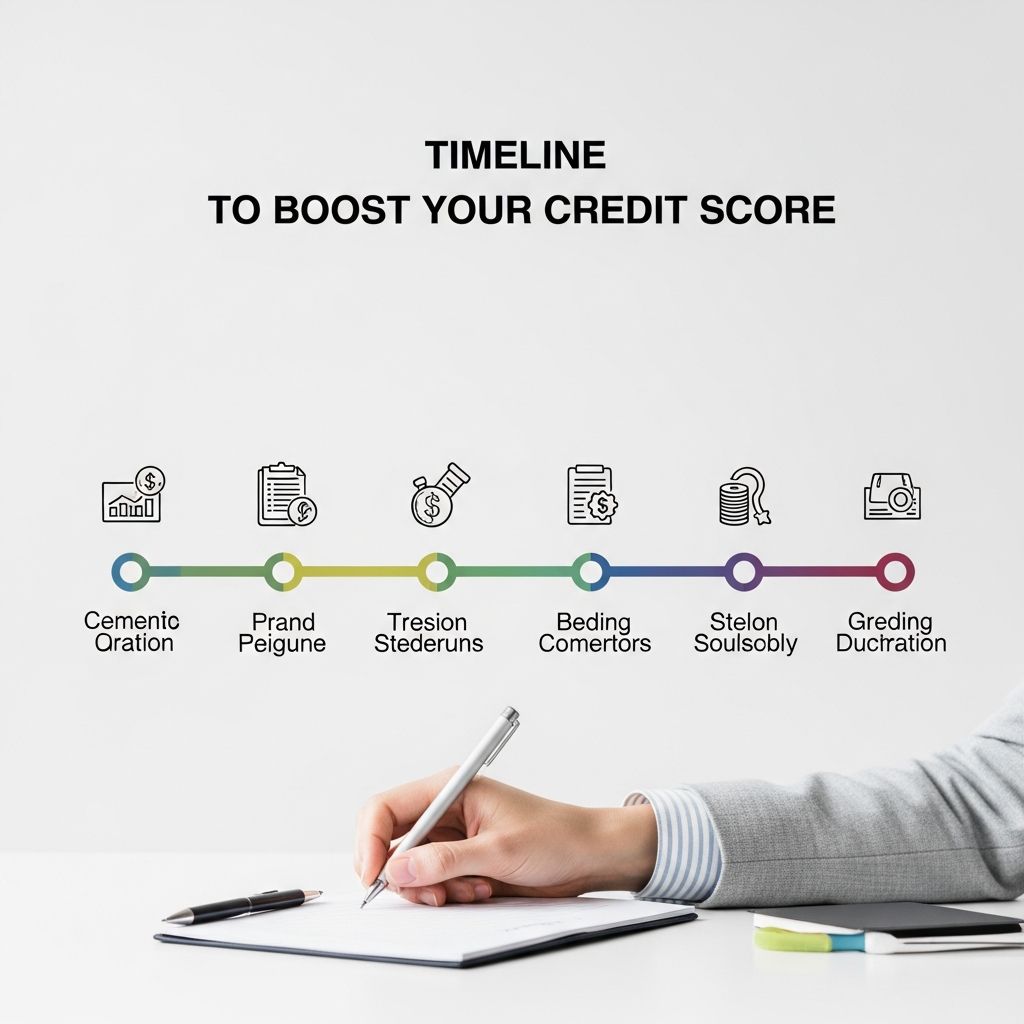
Your credit score serves as a critical benchmark for financial opportunities, influencing everything from loan approvals to interest rates. Improving it requires understanding the key components and committing to sustained positive behaviors. While no instant fixes exist, targeted actions can yield noticeable results over months to years.
Understanding the Building Blocks of Your Credit Score
Credit scoring models, such as FICO and VantageScore, evaluate specific elements of your financial behavior. Grasping these helps prioritize efforts for maximum impact.
- Payment History (35%): This tracks whether you pay bills on time. Even one late payment can linger, but consistent timeliness rebuilds trust.
- Credit Utilization (30%): Measures debt relative to available credit. Keeping usage below 30% signals control.
- Length of Credit History (15%): Older accounts demonstrate stability; avoid closing long-held ones.
- New Credit (10%): Frequent applications suggest risk; space them out.
- Credit Mix (10%): A variety of account types, managed well, adds diversity.
These weights highlight why payment history dominates—focus here first for quickest gains.
Realistic Expectations: How Long Until You See Changes?
Improvement timelines vary by starting point. New to credit? Months suffice. Recovering from delinquencies? Expect years.
| Issue | Time to Minimal Impact |
|---|---|
| Missed Payment | 18 months |
| Late Mortgage (30-90 days) | 9 months |
| Maxed Credit Card | 3 months |
| Bankruptcy | 6+ years |
| Foreclosure | 3 years |
Positive shifts appear in 3-6 months with steady effort, as bureaus update monthly. Major leaps demand longer patterns.
Step-by-Step Plan to Accelerate Improvement
Implement these sequentially for structured progress.
1. Review and Correct Your Credit Reports
Obtain free annual reports from AnnualCreditReport.com (Equifax, Experian, TransUnion). Dispute inaccuracies promptly—errors can drag scores down unnecessarily.
2. Prioritize On-Time Payments
Set automations or reminders. Even minimum payments count, building history over 18+ months. Align due dates with pay cycles for ease.
3. Lower Utilization Strategically
Pay down balances before statements close. Request limit increases without hard inquiries if eligible. Aim under 30%—quickest short-term boost.
4. Build Length Without Risk
Retain old accounts. Add secured cards if thin history; use lightly. Patience here pays off as age grows.
5. Limit New Applications
Shop rates within 14-45 days to count as one inquiry. Avoid unnecessary credit.
6. Diversify Responsibly
Balance revolving (cards) and installment (loans) debts. Don’t force mix if it risks utilization.
Track via free tools from bureaus or banks for VantageScore/FICO views.
Common Pitfalls That Delay Progress
- Closing paid-off cards: Shortens history, spikes utilization.
- Maxing post-payoff: Undoes gains; monitor closely.
- Ignoring small debts: Collections harm long-term.
- Over-applying: Multiple inquiries tank scores.
Avoid quick fixes like disputes without merit—they backfire.
Advanced Tactics for Stubborn Scores
For deeper issues:
- Authorized user on strong account (with permission).
- Debt management plans via nonprofits.
- Experian Boost for utility payments (if available).
Post-bankruptcy, rebuild with secured credit, paying perfectly.
Monitoring Progress Effectively
Credit updates lag 30-45 days. Use apps for alerts. Scores rise gradually: 20-50 points in 3 months possible with utilization drops; 100+ in a year via habits.
Long-Term Habits for Sustained Excellence
Beyond repair, maintain 750+ scores:
- Budget to avoid debt.
- Review reports quarterly.
- Use <10% utilization.
- Re-age only via legit disputes.
Consistency trumps speed—adopt for life.
Frequently Asked Questions
How soon after paying debt do scores rise?
30-45 days typically, as reports update.
Does paying off cards always help?
Usually yes, but closing them might hurt history/utilization.
Can I improve with no credit history?
Yes, start secured cards/loans; 3-6 months for basics.
What hurts scores most?
Late payments (35% weight), then high utilization.
Is 700+ achievable post-bankruptcy?
Yes, in 2-5 years with flawless habits.
Why Patience Pays Off in Credit Building
Credit reflects patterns, favoring recency. Six months of discipline often sparks momentum, compounding yearly. Pair with savings for holistic finance.
References
- How to repair your credit and improve your FICO Score — myFICO. Accessed 2026. https://www.myfico.com/credit-education/improve-your-credit-score
- The 5 Factors That Affect Your Credit Score — Credit Union of Georgia. Accessed 2026. https://cuofga.org/the-5-factors-that-affect-your-credit-score-and-simple-ways-to-boost-them/
- How Long Does It Take To Increase Your Credit Score? — Bankrate. Accessed 2026. https://www.bankrate.com/credit-cards/bad-credit/how-long-does-it-take-to-get-a-credit-score-up/
- Why Your Credit Scores May Drop After Paying Off Debt — Equifax. Accessed 2026. https://www.equifax.com/personal/education/credit/score/articles/-/learn/why-credit-scores-may-drop-after-paying-off-debt/
- Improving Your Credit Score: A Step-By-Step Guide — City National Bank. 2024. https://cnb1901.com/blog-improving-your-credit-score
- What Are the 5 Factors That Affect a Credit Score? — Freedom Credit Union. Accessed 2026. https://freedomcu.org/debt-management/the-5-factors-that-affect-your-credit-score-and-simple-ways-to-boost-them/
- What Affects Your Credit Scores? — Experian. Accessed 2026. https://www.experian.com/blogs/ask-experian/credit-education/score-basics/what-affects-your-credit-scores/
Similar Articles








Read full bio of Sneha Tete