Ticketmaster & StubHub Must Show Full Prices Under FTC Rule
Concert ticket platforms now required to display all-in pricing upfront under new FTC regulations banning hidden fees.
Ticketmaster and StubHub Must Now Display Upfront Prices for Concert Tickets
The landscape of concert ticket purchasing has undergone a significant transformation with the implementation of new Federal Trade Commission regulations. The largest concert ticket services, including StubHub and Ticketmaster, have begun including all fees in default prices to comply with federal rules that took effect on May 12, 2025. This regulatory shift marks a pivotal moment in consumer protection, as concert-goers will no longer face the frustration of discovering substantial hidden charges at the final stages of checkout.
While concert ticket fees are not disappearing entirely, they are now immediately visible to consumers from the very beginning of their shopping experience. Ticketmaster announced that shoppers will see “all-in” pricing going forward, which includes the service fee prominently displayed, though local taxes and delivery fees may still apply separately. The company confirmed this commitment with a clear message on event pages stating, “We’re all in.”
Understanding the New FTC Rule on Junk Fees
The driving force behind this industry-wide transformation is a new Federal Trade Commission rule specifically targeting hidden fees for live-event ticketing, as well as hotel and short-term rental lodging. The FTC’s primary objective with this regulation is to eliminate the deceptive “bait-and-switch pricing” practice, whereby consumers are initially quoted one price only to discover substantial additional charges during the checkout process.
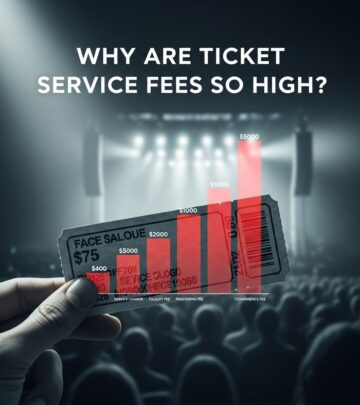
This regulatory action addresses longstanding consumer frustrations that have plagued the ticketing industry for years. Service and fulfillment fees have historically added 25% or more to the base ticket cost, yet most ticket sites used to display these fees only upon reaching the checkout stage. Consumers would believe they had found a reasonably priced ticket, only to discover later that additional charges would raise the total price significantly.
Key Requirements of the FTC Junk Fee Rule
The FTC rule establishing regulations on unfair or deceptive fees includes several critical requirements that ticketing platforms must now follow:
- Businesses must display the total price more prominently than any other pricing information presented to consumers
- Companies must disclose all excluded charges clearly before requesting payment from customers
- Businesses are advised to avoid vague terminology, including phrases such as “convenience fees,” “service fees,” and “processing fees” without clear explanation
- All mandatory fees that cannot be reasonably avoided must be included in the advertised total price from the point of initial display
Industry Response and Implementation Timeline
Several companies appeared to adjust their policies ahead of the May 12 implementation date, demonstrating proactive compliance with the new regulations. Airbnb, for example, now displays a price that includes cleaning and service fees by default, setting an example for other platforms in the accommodation space.
In a direct response to a customer inquiry on social media Monday evening, StubHub acknowledged that its “teams are actively working on the update now across all of our platforms to ensure the total price, with fees, is displayed in search results.” By Tuesday, StubHub had successfully implemented this significant change across its platform, demonstrating rapid compliance with the new federal requirements.
The speed and coordination of implementation across the industry suggests that most major players anticipated this regulatory change and prepared accordingly. By Monday of the effective date, SeatGeek and Vivid Seats announced that they too were now using all-inclusive pricing models, ensuring consistency across the major ticketing platforms.
Earlier Compliance and Industry Leadership
It’s worth noting that some ticketing platforms had already positioned themselves ahead of this regulatory curve. TickPick, for instance, was already offering tickets with upfront prices displayed before checkout, establishing itself as an early adopter of consumer-friendly pricing transparency.
With all major companies now displaying total prices upfront, concert fans and event attendees should find it significantly easier to quickly compare pricing options across different ticket sites. This standardization creates a more level playing field for competition based on actual total cost rather than misleading initial price displays.
What Industry Leaders Are Saying
SeatGeek confirmed in its announcement that the change was implemented to be “in line” with FTC guidelines. The company’s leadership enthusiastically embraced the new standards. “Fans deserve pricing that’s clear from the start,” said SeatGeek Co-Founder and CEO Jack Groetzinger in a company release. “We’re proud to roll this out across our platform and encouraged to see the industry move in this direction.”
Even though some ticket companies had resisted making these changes for years, the industry is generally supporting the synchronized switch to all-in pricing. Industry players recognize that having all ticket companies playing by the same rules creates a more equitable competitive environment and protects consumer interests across the board.
Skepticism and Ongoing Oversight
Despite the positive industry response, lawmakers and consumer advocates are not entirely satisfied and continue to push for even greater price transparency. New York State Senator James Skoufis, a Democrat who has championed legislation to stop anti-consumer ticketing practices at the state level, expressed cautious skepticism about the industry’s implementation.
“I’ll be watching with a healthy dose of skepticism that when they say ‘all-in’ they actually mean all-in,” Skoufis wrote in an email to Money. “That ALL fees will appear — not just as a toggle option — but as the default setting prior to a single click made on a seat.” He continued, “There are those in this space who want to protect consumers and those who want to make money, and I’ve found the latter camp’s definition of all-in pricing is a far-cry from actual all-in pricing.”
This skepticism reflects legitimate concerns about potential loopholes or half-measures in implementation. The difference between fees appearing as a toggle option versus being the mandatory default display could be significant for consumer understanding and decision-making.
Broader Context: The Fight Against Deceptive Practices
The FTC’s junk fee rule comes amid broader regulatory scrutiny of the ticketing industry. The Federal Trade Commission has also filed legal action against Live Nation and Ticketmaster, alleging that these companies have engaged in deceptive bait-and-switch pricing practices. The FTC’s allegations include claims that Ticketmaster hid mandatory fees as high as 44% of the base ticket cost until the final stages of checkout, when consumers are under time pressure to complete their purchases.
According to FTC allegations, Ticketmaster earned $16.4 billion in such fees between 2019 and 2024, demonstrating the substantial financial implications of hidden fee practices. These allegations underscore why transparent pricing regulations have become necessary and why continued oversight remains important.
What This Means for Consumers
For concert-goers and event attendees, the practical implications of this new rule are significant. When shopping for tickets on Ticketmaster, StubHub, SeatGeek, Vivid Seats, or other major platforms, the price displayed prominently should now represent what consumers will actually pay at the end of their purchase (excluding any separately disclosed local taxes or optional add-ons).
This transparency enables consumers to make more informed purchasing decisions and to accurately compare prices across different platforms. Rather than discovering that a seemingly affordable $50 ticket actually costs $62.50 after fees at checkout, consumers now know the true cost from the moment they begin browsing.
Penalties for Non-Compliance
The FTC takes violations of this rule seriously. Penalties for non-compliance can reach up to $53,088 per violation, creating substantial financial incentives for ticketing platforms to ensure full compliance. These significant penalties ensure that companies take the requirements seriously and implement them properly throughout their entire platforms.
Frequently Asked Questions About FTC Ticket Pricing Rules
Q: Does the FTC rule eliminate ticket fees entirely?
A: No, the rule does not eliminate fees themselves. It only requires that all mandatory fees be displayed upfront as part of the total price. Ticketing platforms can still charge service fees; they just cannot hide them from consumers until checkout.
Q: What fees must be included in the displayed total price?
A: All mandatory fees that cannot be reasonably avoided must be included in the displayed total price. This typically includes service fees and fulfillment charges. Local taxes may be excluded, and optional add-on services can be offered separately.
Q: When exactly did this rule take effect?
A: The FTC rule became effective on May 12, 2025, giving companies time to implement the necessary system changes across all their platforms and channels.
Q: Are all ticketing platforms required to comply?
A: Yes, all ticketing platforms offering live-event tickets must comply with the rule. This includes primary ticketing sources like Ticketmaster as well as secondary market platforms like StubHub.
Q: What happens if a company violates the rule?
A: Companies that violate the FTC junk fee rule can face penalties of up to $53,088 per violation. The FTC actively enforces these regulations to protect consumers and ensure fair competitive practices.
Q: Can I still see fees broken down separately if I want to?
A: While the total price must be displayed prominently by default, platforms may provide breakdowns of individual fees. However, the total price must be the primary information presented to consumers at first glance.
Q: Does this rule apply to international ticket sales?
A: The FTC rule applies to ticketing platforms operating in the United States. International companies selling U.S. tickets must comply with the regulation when marketing to American consumers.
References
- Trade Regulation Rule on Unfair or Deceptive Fees — Federal Trade Commission. 2025-01-10. https://www.federalregister.gov/documents/2025/01/10/2024-30293/trade-regulation-rule-on-unfair-or-deceptive-fees
- FTC Rule on Unfair or Deceptive Fees to Take Effect on May 12, 2025 — Federal Trade Commission. 2025-05-12. https://www.ftc.gov/news-events/news/press-releases/2025/05/ftc-rule-unfair-or-deceptive-fees-take-effect-may-12-2025
- Ticketmaster, StubHub Must Show Full Prices Under New Rule — Money Magazine. 2025-05-12. https://money.com/ticketmaster-stubhub-show-full-prices-ftc-rule/
- Live Nation Faces New Challenge from FTC regarding Deceptive Ticket Prices — Wiggin and Dana. 2025. https://www.wiggin.com/publication/live-nation-faces-new-challenge-from-ftc-regarding-deceptive-ticket-prices/
- Understanding the FTC’s Junk Fees Rule: Implications for Live Event Ticketing — JCA Inc. 2025. https://www.jcainc.com/understanding-the-ftcs-junk-fees-rule-implications-for-live-event-ticketing/
Similar Articles








Read full bio of medha deb