Throwaway Ticketing: Save Money on Flights With Big Risks
Master the art of skiplagging: Save up to 50% on airfare but understand the serious risks involved.
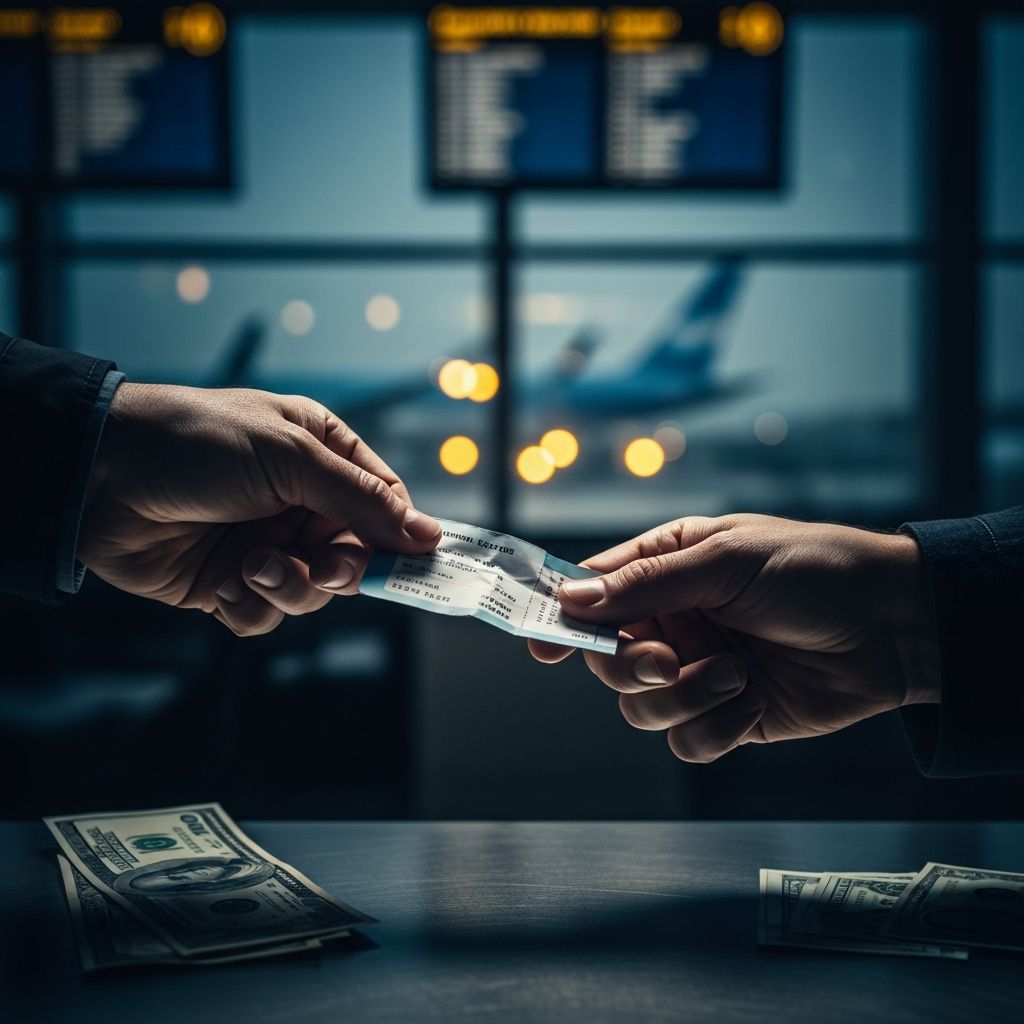
One of the latest air travel trends that’s emerged in recent years is causing quite a bit of controversy in the travel industry. It’s all about skiplagging, also known as throwaway ticketing or hidden city ticketing. Travelers use it as a way to save significant money on flights by exploiting how airlines price their tickets. If a flight to their desired destination is expensive, they book a cheaper flight to another city that happens to have a layover in their actual desired destination. Then, they simply don’t get on the connecting flight and exit at the layover instead. This practice has gained considerable attention, with nearly 300,000 travelers completing their partial journey successfully and saving a total of $51 million according to Skiplagged.com.
What is Throwaway Ticketing?
Throwaway ticketing, also referred to as hidden city ticketing or point beyond ticketing, is a travel hack where you book a ticket to a destination other than where you intend to travel to in order to get a cheaper fare. You’re essentially using airlines’ pricing tactics against them, knowing their logic and how they structure their fares.
Here’s a practical example: Say you’re trying to buy a ticket from New York to Chicago. Because of demand, these tickets will be much more expensive than flying from New York to Milwaukee, for instance. A throwaway ticket would work if you found a flight to Milwaukee with a layover in Chicago. Instead of getting on the plane to go to Milwaukee, you would throw away that leg of the ticket and exit the Chicago airport—your actual destination.
The fundamental concept behind throwaway ticketing is straightforward: nonstop flight tickets usually cost more than connection flights. Airlines structure their pricing based on destination popularity rather than distance. This means it can often be significantly less expensive to leave at a layover instead of continuing to the final destination.
Why Does Throwaway Ticketing Save Money?
The reason throwaway ticketing works comes down to how airlines calculate ticket prices. Because of the competitive nature of the travel market, the cost of a plane ticket is often calculated based on destination popularity rather than distance. Major hub cities like Chicago, New York, London, and Paris are high-demand destinations, and airlines charge premium prices for direct flights to these locations.
However, when those same cities appear as layover points on flights to less popular destinations, the overall ticket price drops dramatically. Airlines offer cheaper fares to secondary destinations that happen to connect through major hubs to remain competitive with other carriers and route structures.
According to travel experts, airfares can be up to 50% less expensive with throwaway ticketing. This substantial savings potential is why the practice has gained popularity among budget-conscious travelers over the last year.
How Throwaway Ticketing Works in Practice
The mechanics of throwaway ticketing involve several steps:
- Search for flights to a less expensive destination that includes a layover at your actual desired city
- Book the ticket to the final destination rather than your layover city
- When you reach your intended destination during the layover, simply exit the airport
- Skip the remaining leg of your journey to the original final destination
The most well-known resource for finding throwaway ticketing opportunities is Skiplagged.com, an airfare search engine specifically designed to show hidden-city ticketing trips. This website helps travelers identify flights where the layover city is actually cheaper to reach than the final destination, making it easy to find these opportunities without manually searching through airline websites.
The Significant Risks With Throwaway Ticketing
While the potential savings are attractive, throwaway ticketing comes with serious risks that every potential user should understand before attempting this strategy.
Baggage Restrictions
The first practical limitation is that you cannot check bags. Any luggage you check will be delivered to the final destination on your ticket, not to the city where you exit. This means you must travel with only carry-on luggage. However, anyone who travels frequently knows you’re sometimes forced to check your carry-on at the gate, even if you hadn’t planned on it. This creates a significant problem for throwaway ticketing, as checked bags will arrive at the wrong destination.
Airline Terms and Conditions Violations
More importantly, throwaway ticketing or skiplagging—which is technically legal—violates the terms and conditions most airlines make you agree to before purchasing a ticket. This distinction is crucial: while the practice itself isn’t illegal, it breaches your contract with the airline. When you violate these terms, airlines are allowed to take several punitive actions against you.
Potential Penalties from Airlines
If caught practicing throwaway ticketing, you may face serious consequences:
- Removal of frequent flyer miles from your account
- Banning from flying with the airline in the future
- Cancellation of your return flight
- Written warning from the airline
- Denial of boarding for future flights
- Ticket confiscation
- Fines for the difference between the price you paid and the lowest applicable fare
- Termination of your ticketing ability with that carrier, making it very difficult to regain ticketing rights
Airlines compare the practice to switching prices on goods sold in a store. They argue that a flight from A to B to C is a fundamentally different product than a flight from A to B. However, critics counter that if you buy seats on two flights, it should be up to you what to do with them, especially given the complicated pricing that average customers find confusing and unfair.
Operational Disruptions
Throwaway ticketing can also disrupt travel for other passengers if airline staff make any effort to find a traveler who isn’t planning on showing up. This operational concern is one reason airlines are particularly unhappy with the growing trend.
Flight Changes and Schedule Disruptions
Additionally, if an airline makes schedule changes or cancels flights, a hidden-city ticket can be completely ruined. For example, if you booked a flight from Munich to Charlotte with a layover in London, but the airline cancels the Munich-London leg and reschedules you through London to New York instead, you’re stuck. You’d be forced onto a flight through London to New York instead of getting to your intended destination of Charlotte.
Why Airlines Oppose Throwaway Ticketing
Airlines are obviously not happy with the growing throwaway ticketing trend, which results in them losing millions of dollars in revenue over the empty seats that could have been sold to other passengers. The practice also raises ethical concerns and impacts the broader travel ecosystem.
The airline industry has taken legal action to combat throwaway ticketing. United Airlines and Orbitz recently took the site Skiplagged to court, attempting to shut down the service. However, Orbitz correctly stepped down and settled, realizing that their argument was really against their own ticketing systems and pricing algorithms rather than the website itself.
The Legal Status of Throwaway Ticketing
It’s important to understand that throwaway ticketing is technically legal. There is no legal penalty if you’re caught practicing it. Skiplagged.com claims that the majority of people fly without issues. However, the practice violates airline terms and conditions, which gives carriers contractual grounds to penalize you.
If you’re caught, don’t lie about what you’re doing—this could result in a fraud charge. Instead, be honest about your intentions. Though the airlines hate throwaway ticketing, these tickets are not illegal, and honesty is the best policy if confronted.
Best Practices if You Choose to Use Throwaway Ticketing
If you decide to take the risk and use throwaway ticketing, there are several best practices to follow:
- Never buy round-trip tickets—once you skip a leg of your trip, the rest of your itinerary cancels
- Only travel with carry-on luggage since checked bags will go to the final destination
- Only use this method for one-way travel to major thoroughfare cities like Chicago, New York, London, Paris, or other destinations with international airports
- Consider crediting miles to a partner airline frequent flyer account, though this may not fully protect you
- Use Skiplagged.com or similar services to identify genuine throwaway ticketing opportunities
- Be prepared for the possibility of flight cancellations or schedule changes that could disrupt your plans
When Throwaway Ticketing Makes the Most Sense
Throwaway ticketing can be a useful approach to finding a decent fare if you’re trying to save money and are flying to a major thoroughfare such as Chicago, New York, London, Paris, or other major destinations with international airports. The practice is most effective for these high-demand cities because the price differentials are typically the largest.
The strategy works best for travelers who:
- Are traveling alone or with minimal luggage
- Are flying one-way to a major hub city
- Are flexible with their routing options
- Understand and accept the risks involved
- Are willing to potentially lose frequent flyer miles and face airline penalties
Ethical Considerations
The ethics of throwaway ticketing have been debated for decades. It comes down to whether airlines are right that a flight from A to B to C is a fundamentally different product than a flight from A to B. Airlines argue you’re buying one thing and consuming another. However, the common-sense counterargument is that if you buy seats on two flights, it should be up to you what to do with them. Much of the controversy stems from complicated pricing that average customers find confusing and unfair to begin with.
Frequently Asked Questions
Q: Is throwaway ticketing legal?
A: Throwaway ticketing is technically legal—there is no legal penalty for the practice itself. However, it violates airline terms and conditions, which gives airlines contractual grounds to penalize you, including removing frequent flyer miles, banning you from flying with them, or canceling return flights.
Q: How much money can I save with throwaway ticketing?
A: Airfares can be up to 50% less expensive with throwaway ticketing. According to Skiplagged.com, nearly 300,000 travelers saved a total of $51 million using this method.
Q: Can I check baggage with throwaway ticketing?
A: No. Checked bags will be delivered to the final destination on your ticket, not to your actual destination. You must travel with only carry-on luggage, though airlines may force you to check carry-ons at the gate.
Q: Can I use throwaway ticketing for round-trip flights?
A: No. Never buy round-trip tickets for throwaway ticketing. Once you skip a leg of your trip, the rest of your itinerary will be automatically canceled by the airline.
Q: What happens if I’m caught using throwaway ticketing?
A: Potential consequences include removal of frequent flyer miles, being banned from flying with the airline, cancellation of return flights, written warnings, denial of boarding, ticket confiscation, fines for fare differences, and termination of your ticketing ability with that carrier.
Q: Which cities work best for throwaway ticketing?
A: Throwaway ticketing works best for major hub cities with high demand and international airports, such as Chicago, New York, London, Paris, and other major thoroughfares where price differentials are typically the largest.
Q: What if my flight gets canceled or the schedule changes?
A: Schedule changes and flight cancellations can completely ruin a hidden-city ticket. If the airline reschedules you through different cities, you may be forced onto an unwanted itinerary and have to request a refund and rebook another option.
Q: Is throwaway ticketing considered fraud?
A: Throwaway ticketing itself is not fraud, but lying to an airline about what you’re doing could result in a fraud charge. If caught, be honest about your intentions rather than attempting to deceive the airline.
References
- What Is Throwaway Ticketing — Business Insider. 2015-04. https://www.businessinsider.com/what-is-throwaway-ticketing-2015-4
- Throwaway Ticketing Saves Money on Travel — With Big Risks — The Penny Hoarder. https://www.thepennyhoarder.com/save-money/throwaway-ticketing/
- Throwaway Ticketing: What You Need To Know — God Save the Points. https://www.godsavethepoints.com/throwawayticketingexplained/
- What Is Hidden City Ticketing For Flights, And Why Should You Care? — One Mile at a Time. https://onemileatatime.com/guides/hidden-city-ticketing/
- ‘Throwaway ticketing’ is risky flight tactic that could save you money but comes with consequences — Fox News. https://www.foxnews.com/travel/throwaway-ticketing-risky-flight-tactic-could-save-you-money-comes-consequences
- What is Skiplagged and How to Use It — NerdWallet. https://www.nerdwallet.com/travel/learn/skiplagged-flights-guide
- Hidden City Ticketing: All You Should Know In 2026 — Going. https://www.going.com/guides/what-you-need-to-know-about-hidden-city-ticketing
Similar Articles








Read full bio of Sneha Tete