Thriving Without a Credit Score
Discover if ditching credit entirely is feasible, the hidden pitfalls, and smarter paths to financial freedom without debt traps.

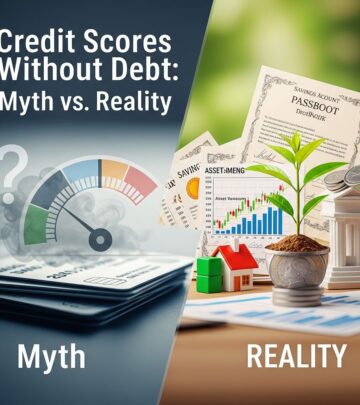
In an era dominated by digital transactions and lending algorithms, the notion of navigating life without a credit score sparks both intrigue and debate. While some advocate for complete detachment from credit systems to foster true financial sovereignty, others warn of the practical barriers this choice erects. This article delves into the feasibility of such a lifestyle, weighing its advantages against substantial drawbacks, and provides actionable guidance for those contemplating or already pursuing this path.
The Appeal of Credit Independence
Embracing a credit-free life often stems from a desire to eliminate debt’s grip. By relying solely on cash, debit, or savings, individuals sidestep interest charges that can erode wealth over time. For instance, average household credit card debt carries rates around 15%, translating to over $1,000 annually in interest on a $7,000 balance. This freed-up capital can fuel savings, investments, or discretionary spending, promoting disciplined budgeting.
Proponents highlight reduced financial stress—no nagging minimum payments or balance worries. It enforces living within one’s means, curbing impulse buys and encouraging proactive saving. Yet, this simplicity comes at a cost, as absence of credit history mirrors the hurdles of a poor score, rendering everyday milestones elusive.
Everyday Hurdles in a Creditless World
Daily life without credit reveals friction points across multiple domains. Here’s a breakdown of common challenges:
- Housing Searches Turn Arduous: Landlords routinely screen applicants via credit reports. No score often leads to rejections, demands for larger deposits, or requirements for cosigners, complicating independent living.
- Travel Plans Complicate: Debit cards may falter internationally, and services like car rentals or hotels impose hefty holds on bank accounts, risking overdrafts without ample buffers.
- Vehicle Acquisition Delays: Auto loans hinge on creditworthiness; alternatives demand full cash payments or high-interest dealer financing for the unscoreable.
- Employment and Insurance Barriers: Some employers and insurers review credit, potentially disadvantaging applicants lacking history.
These obstacles compound, particularly for young adults or immigrants starting anew, underscoring credit’s role as a societal gatekeeper.
Pursuing Homeownership Sans Credit
Acquiring property stands as the ultimate test. With median home prices hovering high—around $425,000 in recent data—cash purchases remain rare. Mortgage lenders favor scored profiles; the creditless must pivot to manual underwriting, which scrutinizes employment stability, income, and down payments exceeding 20%.
| Challenge | Credit-Free Impact | Mitigation Strategy |
|———-|——————-|——————-|
| Loan Approval | Low; requires guarantor or manual review | Prove income via tax returns, build savings |
| Down Payment | Often 20-30%+ | Aggressive saving over years |
| Interest Rates | Higher if approved | Shop credit unions or non-traditional lenders |
| Timeline | Extended process | Prequalify early, network with brokers |
This table illustrates the heightened demands, where patience and proof of fiscal responsibility become paramount.
Employment and Insurance Implications
Beyond consumer finance, no credit can influence career trajectories. Certain industries, like finance or government, mandate checks; a blank report may signal unreliability. Similarly, auto and home insurers factor credit into premiums, potentially inflating costs for the unscorable by 20-50% in some states.
While not universal, these practices vary by jurisdiction, prompting some to maintain minimal credit activity solely for access.
Financial Safeguards in a Cash-Only Regime
Credit cards excel in fraud protection—liability caps at $50 for unauthorized charges, far superior to debit cards draining accounts instantly. Without them, vigilance rises: monitor statements daily, use virtual cards sparingly, and bolster savings as a buffer.
Emergencies demand robust reserves—aim for 3-6 months’ expenses. Unexpected repairs or medical bills, absent credit, deplete funds rapidly, emphasizing preemptive planning.
Smart Pathways to Build Credit Responsibly
Rather than total abstinence, strategic engagement builds history sans debt. Key methods include:
- Secured Cards: Deposit-funded cards report activity; pay in full monthly to avoid interest.
- Authorized User Status: Piggyback on trusted accounts with solid histories.
- Credit Builder Loans: Repay into a locked savings account, dual-building score and nest egg.
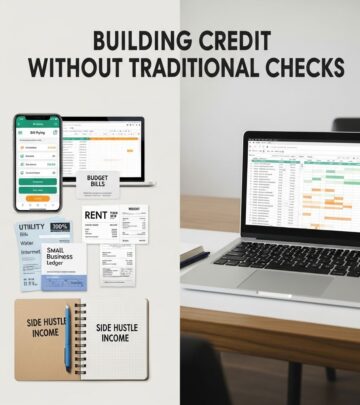
- Utility Reporting: Services like Experian Boost add phone and bill payments to reports.
- On-Time Rentals: Platforms reporting rent can jumpstart profiles.
Focus on utilization under 30%, ideally 10%, and pristine payment history—35% of FICO scores.
Transitioning to Credit-Free: Step-by-Step
For debt-weary seekers:
- Audit and Eliminate Debt: Accelerate payoffs, prioritizing high-interest first.
- Fortify Emergency Fund: Target 3-6 months’ essentials before closing accounts.
- Shift to Cash Flow: Track via apps, embracing debit for convenience.
- Explore Alternatives: Credit unions for loans, prepaid cards for travel.
- Monitor Progress: Free reports annually, freeze bureaus against inquiries.
Closing accounts post-payoff preserves history for 10 years, easing future re-entry if needed.
Long-Term Wealth Building Without Credit
Credit-free advocates thrive via high-yield savings, index funds, and real estate paid cash. Yet, opportunity costs loom: forgone leverage for investments or business startups. Balance arrives through hybrid approaches—minimal credit for scores, maximal cash for purchases.
Sign up for monitoring to track evolution; tools reveal lender views and improvement levers.
Frequently Asked Questions
Is it possible to rent an apartment with no credit?
Yes, but expect larger deposits, cosigners, or proof of income. Some landlords overlook scores for strong profiles.
Can I travel abroad without a credit card?
Feasible with notified debit cards and cash backups; verify acceptance to sidestep holds.
How long to build credit from zero?
3-6 months of activity yields initial scores; 1-2 years for robust profiles.
Do employers check credit?
Varies by role; finance/government often do—blank reports may hinder.
What’s manual underwriting?
Lender-reviewed loans sans scores, emphasizing pay stubs and assets.
Key Takeaways for Financial Autonomy
Credit abstinence offers liberation from debt cycles but erects barriers to housing, travel, and opportunities. Most benefit from measured credit use—paying fully, building scores strategically. This duality unlocks doors while safeguarding wealth, proving financial health transcends scores alone.
References
- Can You Live Without Credit? — Experian. 2022-04. https://www.experian.com/blogs/ask-experian/living-without-credit-score/
- Living a ‘Credit-Free’ Life — Northwest Bank Financial Wellness Center. N/A. https://financialwellnesscenter.northwest.bank/credit-and-debt/credit/article/living-a-credit-free-life
- What Is My Credit Score If I Have No Credit History? — Bankrate. N/A. https://www.bankrate.com/credit-cards/building-credit/no-credit-score-zero-credit/
- What Is Your Credit Score Without Any Credit History? — Chase. N/A. https://www.chase.com/personal/credit-cards/education/credit-score/what-is-you-credit-score-without-credit-history
- Life Without A Credit Card — National Foundation for Credit Counseling (NFCC). N/A. https://www.nfcc.org/blog/life-without-a-credit-card/
Similar Articles








Read full bio of Sneha Tete