Thrifty Shopping Secrets for 2026
Unlock proven strategies to slash spending on everyday purchases while maintaining quality and satisfaction in your lifestyle.

In an era of rising costs, mastering frugal shopping is essential for financial stability. This guide equips you with actionable tactics to reduce expenses on groceries, clothing, and more, drawing from proven habits that prioritize planning, mindfulness, and creativity over impulse buys.
Building a Foundation: Audit Your Spending Patterns
Before diving into shopping trips, conduct a thorough review of your recent transactions. Examine the past 90 days to identify recurring categories where money leaks occur, such as frequent snack purchases or unplanned clothing adds. This inventory reveals true habits, not just intentions.
For groceries specifically, start with a quick scan of your kitchen. Note items nearing expiration in your fridge, pantry, and freezer. This prevents duplicate buys and inspires meals from existing stock, potentially saving hundreds annually.
Strategic Meal Planning Around Affordable Staples
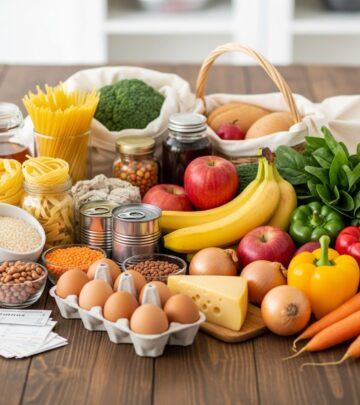
Anchor your weekly menu on versatile, low-cost ingredients like rice, beans, lentils, eggs, oats, and frozen produce. These staples form the base for multiple dishes—think stir-fries, soups, grain bowls, and omelets—allowing flexibility while keeping costs under control.
- Rice and beans: Combine for burritos, salads, or casseroles; yields 4-6 servings under $2.
- Eggs and veggies: Frittatas or scrambles use cheap proteins and scraps.
- Oats and yogurt: Breakfast porridges or overnight mixes for snacks.
Plan 3-7 days ahead: Sketch simple meals, cross-check inventory, and generate a targeted list. Tools like AI planners can automate this, grouping items by store aisle to streamline shopping.
Crafting the Ultimate Grouped Grocery List
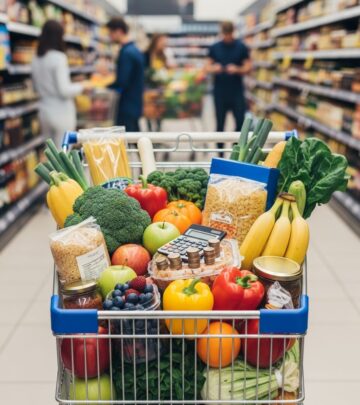
A disorganized list invites overspending. Structure yours by store sections—produce, dairy, pantry, freezer—to mimic the layout and minimize wandering. This reduces impulse picks by 30-50% in practice.
| Section | Key Items | Unit Price Tip |
|---|---|---|
| Produce | Seasonal veggies, fruits | Compare per lb; bulk bags save 20% |
| Dairy | Store yogurt, eggs | Larger cartons cheaper per oz |
| Pantry | Rice, beans, canned tomatoes | Store brands match quality at half price |
| Freezer | Frozen veg, basics | No waste; versatile for meals |
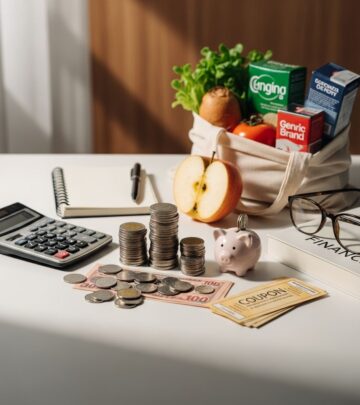
Always verify unit prices—price per ounce or pound—not shelf tags. Favor store brands for commodities; reserve premiums for taste-critical items like coffee.
Navigating Stores Like a Pro
Shop with purpose: Enter knowing your path, stick to the list, and set a treat quota (e.g., one fun item weekly). Skip pre-cut conveniences unless they prevent takeout; they inflate costs by 50-100%.
Time visits for quiet hours to avoid crowds and rushed decisions. Use apps for digital lists if preferred, but print for tactile discipline. Post-shop, unpack and plan leftovers immediately—freeze extras for future meals.
Embracing No-Buy and Low-Buy Challenges
A no-buy halts non-essentials (beyond bills, food, housing) for a reset, ideal short-term. A low-buy permits value-aligned spends with pauses, fostering long-term shifts toward minimalism.
Steps to launch:
- Define boundaries: Essentials yes; wants wishlist with 30-day waits.
- Calendar scan: Prep free alternatives for events (home workouts vs. gym).
- Inventory kitchen: Meal from stock first.
- Track wins: Journal savings and mood boosts.
Benefits extend beyond cash: clearer values, less clutter, sustained joy from intentionality.
Snacks and Treats on a Budget
Ditch pricey packages for homemade: Popcorn, fruit with yogurt, nut mixes from bulk bins. Align with staples—oats trail mix or veggie sticks save per serving. Budget $5-10 weekly for indulgences to avoid burnout.
Beyond Groceries: Frugal Habits for All Shopping
Apply principles universally:
- Clothing: No-buy wardrobe; mend, swap, thrift.
- Household: Bulk buys for cleaners; DIY where safe.
- Entertainment: Library, free trials, home nights.
Incorporate rising costs like gas by batching trips.
Long-Term Habits for Sustained Savings
Repeat weekly: Plan, list, shop, use. Save winning templates for reuse—tweak seasonally. Track monthly tallies; adjust as needed. These routines compound, turning frugality into autopilot.
Frequently Asked Questions
How much can I save with grouped lists?
Users report 20-40% grocery reductions by curbing impulses and optimizing buys.
Is no-buy realistic for families?
Yes, with shared parameters and creative subs; start with 30 days.
What if I hate cooking?
Focus on 5-minute assemblies from staples; batch-prep Sundays.
Store vs. name brands—quality gap?
Minimal for basics; test swaps gradually.
Handling cravings during low-buy?
Wishlists and free joys (walks, calls) bridge gaps.
References
- Smart Ways To Save Money On Groceries (2026) — PlanEat AI. 2026. https://planeatai.com/blog/smart-ways-to-save-money-on-groceries-2026
- You’re Wasting More Than You Think on Groceries — Frugal Fit Mom (YouTube). 2026. https://www.youtube.com/watch?v=ZsyLXIt6RJ8
- How to do a No-Buy or Low-Buy Year in 2026 — Frugal Friends Podcast. 2026. https://www.frugalfriendspodcast.com/how-to-do-a-no-buy-or-low-buy-year-in-2026-our-firsthand-experiences/
- My Weekly Grocery Shop 2026 / How to Save Money on Food — Cheaper Ways NZ (YouTube). 2026. https://www.youtube.com/watch?v=u3NAtaC4oQM
Similar Articles








Read full bio of medha deb