Thrift Store Shopping Tips: 10 Expert Ways To Find Quality
Master the art of thrifting to score quality secondhand deals on clothing, furniture, and more while avoiding common pitfalls.

Thrifting has evolved from a necessity into a savvy way to furnish homes, refresh wardrobes, and pursue hobbies without breaking the bank. With the right approach, you can uncover durable, high-quality items at fractions of retail prices. This guide covers everything from choosing the best stores and timing your visits to inspecting items for quality and avoiding impulse buys. Whether you’re hunting for vintage clothing, solid wood furniture, or craft supplies, these strategies will help you shop smarter.
Location, Location, Location
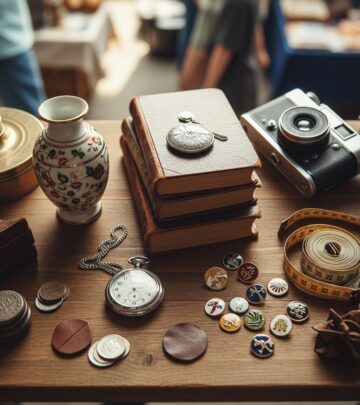
Where you shop can make or break your thrifting success. Thrift stores in upscale neighborhoods often receive donations of designer labels, high-end furniture, and barely used goods from affluent donors. Research average incomes in your area and target stores in posher zip codes for luxury finds at thrift prices. For trendy styles or kids’ clothes, head to areas with younger families. Established neighborhoods with older residents are goldmines for vintage clothing and costume jewelry.
Check local listings to understand a store’s inventory and clientele. Some are basic charity shops with varied stock, while consignment stores offer curated, higher-end items at premium resale prices. Mix it up: start with affordable basics, then visit upscale resale spots. Consider where your money goes—support local businesses or national nonprofits.
Choose Your Thrift Store Wisely
Not all thrift stores are equal. Evaluate based on inventory turnover, cleanliness, and pricing. Stores with frequent donations from wealthy areas yield better quality. Sign up for newsletters or loyalty programs for sale alerts. Some offer rewards points or coupons for repeat visits.
Unique thrift stores, like those specializing in vintage or designer wear, provide curated selections but charge more. Balance volume shopping at discount chains with selective buys at boutiques for the best results.
Great Finds vs. What to Skip
Thrift stores brim with potential treasures, but discernment is key. Focus on items that offer longevity and value.
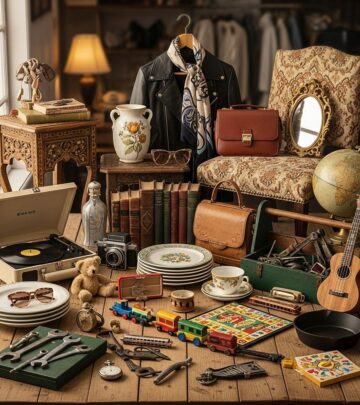
Great Finds
- Clothes for everyday, work, or special occasions: Versatile pieces in natural fibers last longer.
- Solid wood furniture and home décor: Timeless and durable over cheap particleboard.
- Cookware, utensils, and small appliances: Stainless steel pots and blenders are steals if tested.
- Books, DVDs, and vinyl records: Check for completeness; media often sells for pennies.
- Toys, board games, and puzzles: Clean, complete sets delight kids affordably.
- Craft and sewing supplies: Patterns, needles, yarn, and art tools are dirt cheap.
- Brand-name and vintage fashion: Hidden designer tags yield high value.
- Unopened beauty products: New cosmetics at huge discounts.
- Retro electronics like cassette decks and record players: Test for nostalgia appeal.
- Designer items like purses or shoes: Upscale donations make luxury accessible.
What to Skip
- Used helmets or safety gear: Hygiene and integrity risks make them unsafe.
- Mattresses and upholstered items with unknown histories: Bed bugs, odors, or wear hidden inside.
- Electronics you can’t test in-store: No way to verify functionality.
- Items with mold, rust, or strong odors: Signs of deeper damage or health hazards.
How to Determine Quality (and Avoid Junk)
Quality thrifting means investing in items built to last. Use this checklist to spot winners amid the junk.
- Clothing: Sturdy stitching, natural fibers like cotton or wool, name-brand tags. Hold to light for stains; test zippers/buttons.
- Shoes: Check soles for wear, insoles for support, no cracks.
- Furniture: Smell for mold, inspect joints/legs for stability, prefer solid wood over particleboard.
- Electronics: Plug in/test if possible; skip frayed wires or cracks.
- Books and media: No missing pages, unscratched discs.
Clothing-Specific Tips
Build a sustainable closet with versatile, classic cuts. Shop out-of-season—sweaters in summer, swimsuits in winter—for best deals. Scrutinize tags for designers lurking in racks.
Furniture-Specific Tips
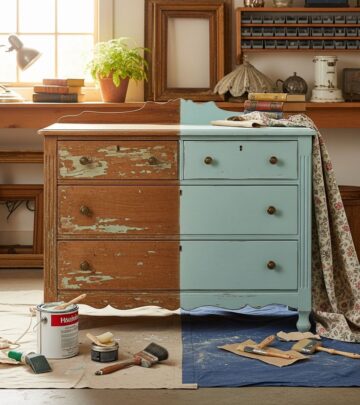
Solid wood trumps composites. Test drawers, doors, legs for wobble. Refresh with DIY paint or reupholstery.
Hobbies and Crafts
Raid craft sections for cheap sewing patterns, knitting needles, art supplies, puzzles. Test musical instruments or sporting goods before buying.
10 Thrifting Tips to Find Quality Items on a Budget
Pro thrifters follow these strategies religiously.
- Check the tags: Name-brand or department store labels signal quality; natural fibers endure.
- Visit upscale neighborhoods: Higher-end donations mean luxury for less.
- Go early on discount days: Beat crowds for first pick on color-tag sales or flash clearances.
- Inspect carefully: Light-test fabrics, test functions, sniff for issues.
- Sign up for loyalty programs: Earn rewards, get sale previews.
- Learn the color tag system: Track rotations to snag 80% off deals.
- Try things on: Sizes vary; use fitting rooms or measure.
- Check return policies: Some allow exchanges on big-ticket items.
- Set a budget: Deals add up; stick to needs over wants.
- Shop out of season: Avoid picked-over in-season racks.
Step 3: Thrift Shop Like a Pro
Follow these expert steps for consistent wins.
- Shop out of season to stockpile future needs.
- Examine every item closely to catch flaws.
- Try on clothing—fit issues explain low prices.
- Ask hard questions: Do I need this? Does it duplicate my wardrobe?
Vintage Thrifting Tips
For vintage hunters: Keep purpose in mind, plan visits, identify authentic finds, avoid fakes, evaluate damage, check rewards/discounts, and connect with thrifting communities. Google items pre-purchase, favor durable brands, consider seasons, and beware smells.
Frequently Asked Questions (FAQs)
What should I look for in thrift store clothing?
Sturdy stitching, natural fibers, brand tags, no stains or damage. Shop out-of-season for deals.
Is thrift store furniture a good buy?
Yes, if solid wood, stable, no mold. Skip wobbly or particleboard pieces.
What are the best days to thrift?
Early on discount/color-tag days for fresh stock and max savings.
Can I return thrift store items?
Policies vary; some offer exchanges on electronics. Always ask.
How do I spot quality electronics?
Test in-store, avoid frayed wires or damage.
Thrifting Table: Quick Quality Check
| Item Type | Key Checks | Red Flags |
|---|---|---|
| Clothing | Stitching, fibers, tags | Stains, broken zippers |
| Furniture | Wood type, stability | Mold smell, wobble |
| Electronics | Plug/test | Frayed cords |
| Shoes | Soles, insoles | Excess wear |
Thrift smartly to build a quality lifestyle affordably. Regular practice hones your eye for gems.
References
- How to Thrift to Find Quality Items While Saving Money — MoneyTalksNews. 2023-05-15. https://www.moneytalksnews.com/slideshows/how-to-thrift-to-find-quality-items-while-saving-money/
- How to Thrift to Save Money: A Guide to Smart Secondhand Shopping — The Penny Hoarder. 2024-02-10. https://www.thepennyhoarder.com/save-money/how-to-thrift-to-save-money/
- Thrift Store Shopping Tips — The Penny Hoarder. 2023-11-20. https://www.thepennyhoarder.com/save-money/thrift-store-shopping-tips/
- Treasure or Trash? Insider Tips for Vintage Thrifting — The Penny Hoarder. 2024-01-05. https://www.thepennyhoarder.com/make-money/side-gigs/vintage-thrifting/
Similar Articles








Read full bio of medha deb