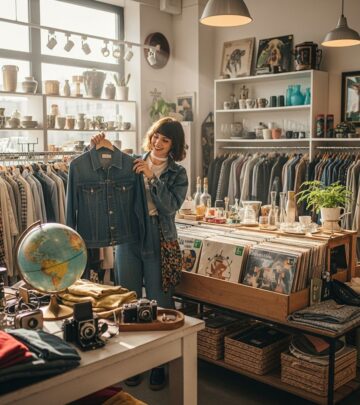
Thrift Store Flipping: 8 Best Items to Resell for Profit
Turn thrift store treasures into cash with our guide to flipping profitable items.
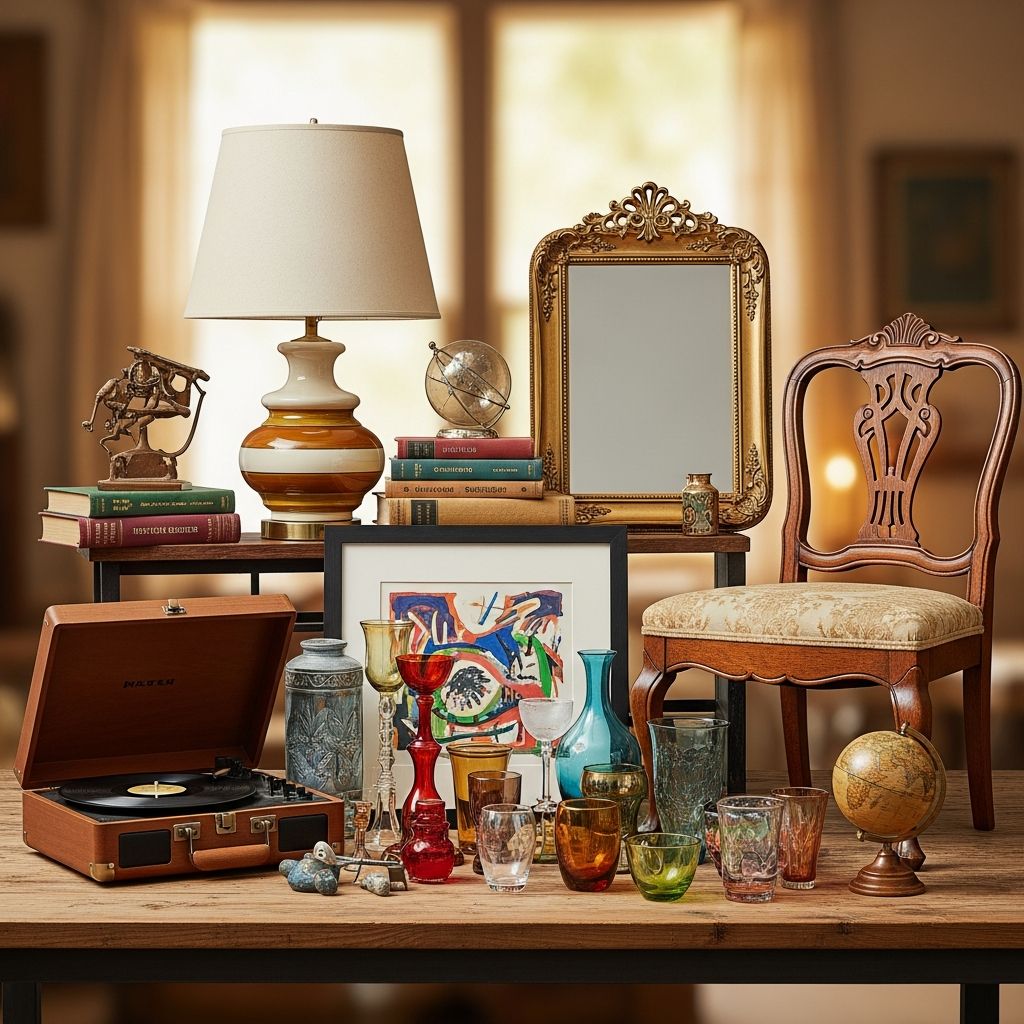
Thrift Store Flipping: Turn Secondhand Finds Into Real Income
Thrift store flipping has evolved from a casual hobby into a legitimate income stream for thousands of people worldwide. The practice involves purchasing items from thrift shops at significantly reduced prices, then reselling them for profit through online platforms or local markets. Whether you’re looking to supplement your income or build a full-time reselling business, understanding which items to target and how to maximize your profits is essential to success.
The beauty of thrift store flipping lies in its accessibility and low barrier to entry. You don’t need significant startup capital, special credentials, or extensive experience to begin. With the right knowledge about which items hold value and strategic approaches to sourcing and selling, even beginners can turn their thrift store visits into profitable ventures.
The 8 Best Items to Flip From Thrift Stores
1. Books and Textbooks
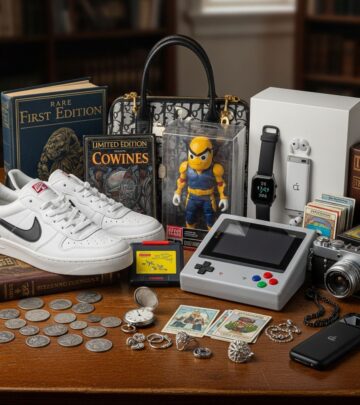
Books represent one of the most reliable categories for thrift store flipping. Textbooks in particular can command premium prices due to their academic value and the high costs students pay for new copies. Look for books with good binding, minimal highlighting or writing in margins, and current editions of textbooks. Rare or first-edition books can also fetch substantial prices, especially if they’re in excellent condition. Search online marketplaces to verify current demand before purchasing, as some books have limited resale value despite their age or appearance.
2. Picture Frames
Picture frames are overlooked treasures in most thrift stores. Quality frames with interesting designs, materials like wood or metal, and larger sizes tend to sell well. Buyers often seek frames for DIY projects, home décor updates, or framing valuable personal photos. The low purchase price combined with minimal effort required to prepare them for resale makes frames an efficient flip. Look for frames that are structurally sound with attractive aesthetic appeal, even if they contain outdated artwork that can easily be replaced.
3. Video Games
Video games, whether physical copies for classic consoles or modern systems, represent a consistent profit opportunity. Retro games from systems like Nintendo, Sega, and PlayStation often appreciate in value as collectors actively seek them. Modern games in their original cases with manuals intact fetch better prices than loose discs. Research recent sales prices on specialized gaming marketplaces to understand current demand and pricing trends before making purchases.
4. Brand-Name Clothes or Clothing Lots
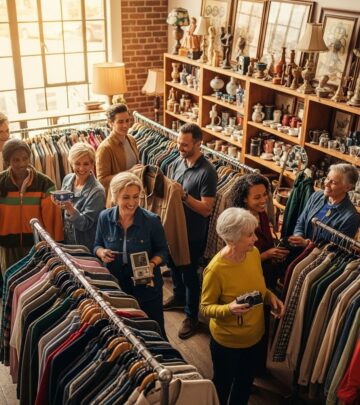
Designer and brand-name clothing items are premium flips in the resale market. Look for recognizable brands, vintage designer pieces, or items with original tags still attached. Clothing lots—bulk purchases of multiple items from the same brand or category—often provide excellent profit margins. Platforms like Poshmark specialize in clothing resales and attract buyers willing to pay premium prices for quality items. The condition of clothing is paramount; stains, odors, or significant wear dramatically reduce resale value.
5. Pyrex and Collectible Kitchenware
Vintage Pyrex dishes and collectible kitchenware have experienced a resurgence in popularity among home décor enthusiasts and cooking enthusiasts. Specific patterns, colors, and eras command premium prices in the resale market. Look for Pyrex with distinctive designs, bold colors, or rare patterns. Glass mixing bowls, casserole dishes, and serving pieces without chips or cracks tend to sell well. The niche market for vintage kitchenware is passionate and willing to pay significantly above thrift store prices.
6. Vintage Furniture
Quality vintage furniture pieces, particularly those made from solid wood or featuring distinctive mid-century or retro design elements, can yield impressive profits. Chairs, side tables, dressers, and shelving units in good condition often attract buyers seeking unique home furnishings. Be cautious with large items—while they can be profitable, shipping costs and storage space requirements demand careful consideration. Focus on pieces that are structurally sound and require minimal repair or restoration.
7. Electronics and Gadgets
Modern and vintage electronics represent another profitable category for resellers. Smartphones, tablets, smartwatches, and computer accessories often appear in thrift stores at fractions of their original value. Before purchasing electronics, test them to ensure functionality, and research their market value thoroughly. Batteries and cables can often be replaced inexpensively, making slightly imperfect electronics worthwhile purchases. Never buy electronics without confirming they power on and function correctly.
8. Anything With a Tag
A fundamental rule of thrift store flipping is this: if an item still has its original retail tag attached, purchase it without hesitation. Items labeled as “new with tags” or “NWT” fetch significantly higher prices on resale platforms than identical items without tags. This applies to clothing, shoes, accessories, housewares, and virtually any product category. The original tag serves as proof of newness and authenticity, attracting buyers who specifically seek unused merchandise. An entire segment of online shoppers exclusively purchases tagged items as a way to ensure authenticity and lack of prior use.
Strategic Tips for Maximizing Your Thrift Store Flipping Profits
Take Advantage of Discount Days
Most thrift stores implement regular discount days or clearance sales to rotate inventory and make space for incoming donations. Many stores offer 50% off or greater discounts on specific days each month. Shopping on these discount days dramatically increases your profit margins since your acquisition costs are lower. The less you pay for an item, the greater your potential profit after reselling. Check with your local thrift stores to identify their discount schedules and plan shopping trips accordingly.
Conduct Thorough Research Before Purchasing
Research represents the cornerstone of profitable thrift store flipping. Before making any purchase, verify that the item is actually worth more than the thrift store price and that you can realistically sell it at that higher value. Use smartphone apps to check current market prices, examine recently sold listings on platforms like eBay, and understand demand for specific items. Account for all expenses in your calculations—shipping fees, listing fees, packaging materials, and time—to ensure true profitability. Guesswork leads to unsold inventory and wasted money.
Prioritize Research Over Impulse Buying
Successful flippers resist the temptation to buy items simply because they look interesting or seem like good deals. Fill your cart only with items you’ve researched and confirmed have resale value. Impulse buying leads to storage problems, wasted cash, and inventory that doesn’t move. Every purchase should be a deliberate decision based on data about market demand and pricing.
Inspect Items Carefully for Condition Issues
Never neglect thorough inspection of items before purchasing. Look for stains, cracks, missing pieces, broken mechanisms, and signs of damage. Items with significant condition issues may be unsellable despite low prices. The time required to repair or restore items should factor into your profit calculations. Sometimes a damaged item purchased cheaply still represents a poor investment if restoration costs exceed potential profits.
Price Items Competitively
Overpricing drives away potential buyers and results in stagnant inventory. Research comparable listings on your target selling platform to understand fair market pricing. Consider the condition of your item, its rarity or uniqueness, and current demand when setting prices. Slightly underpricing relative to competitors can lead to faster sales and quicker cash recovery, allowing reinvestment in new inventory.
Account for Time and Effort
Reselling involves cleaning, photographing, writing descriptions, listing items, communicating with buyers, and arranging shipping. These tasks consume significant time that should factor into profitability calculations. A $5 profit on an item requiring three hours of work represents poor compensation. Focus on items that offer healthy profit margins relative to the time investment required.
Where to Sell Your Thrift Store Finds
Online Marketplaces
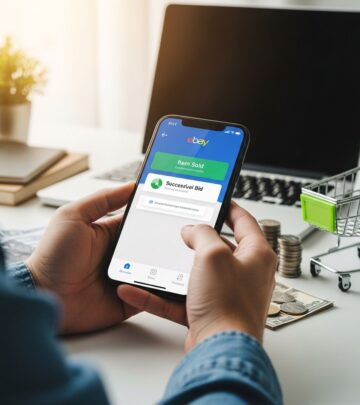
eBay remains the dominant platform for reselling thrift store finds, offering massive reach and established buyer communities for virtually any category. Specialized platforms like Poshmark dominate clothing resales, while Facebook Marketplace connects you with local buyers to reduce shipping costs and complications. Amazon, Etsy, and other niche platforms serve specific product categories and buyer preferences.
Local Sales Options
Craigslist connects you with local buyers and eliminates shipping hassles for large items. Local flea markets and farmers’ markets attract shoppers seeking original antiques and unique finds—ideal venues if you flip regularly. Yard sales and garage sales let you move inventory quickly, especially when you advertise through local online channels and social media.
Specialized Resale Communities
Niche communities often exist for specific product categories. Gaming communities aggregate on specialized platforms, vintage enthusiasts congregate on dedicated sites, and collector communities maintain active forums. Understanding which communities value your specific finds helps you reach motivated buyers willing to pay premium prices.
Common Mistakes Beginners Should Avoid
New flippers often make predictable errors that undermine profitability. Skipping research leads to purchases of overpriced items or goods with no resale market. Impulse buying fills storage spaces with inventory that never sells. Neglecting to inspect items thoroughly results in unsellable stock. Setting prices too high frustrates potential buyers and leads to unsold inventory. Underestimating the time required for cleaning, photographing, listing, and shipping creates unrealistic profit expectations.
Learning from these common mistakes accelerates your path to profitability. Successful flippers approach each purchase strategically, verify market demand before spending money, inspect items thoroughly, price competitively, and account for all associated costs and time.
Building a Sustainable Thrift Store Flipping Business
Start small and expand methodically as you develop expertise. Buy items you understand and can research effectively, then gradually branch out into adjacent categories as you gain confidence. Track your expenses, sales, and profits to understand which categories and items generate the best returns. Invest profits back into inventory rather than treating proceeds as pure income during your growth phase.
Network with other flippers to learn from their experiences and discover undervalued niches. Join online communities dedicated to reselling, attend local flipping meetups, and participate in forums where experienced sellers share insights. Many successful flippers started exactly where you are and can offer practical guidance based on real experience.
Advanced Strategies for Experienced Flippers
As you gain experience, explore advanced techniques like buying bulk lots and selling individual items separately, purchasing broken items for repair and resale at higher values, and identifying undervalued niche categories before they become mainstream. Some flippers specialize in specific product categories, developing deep expertise that allows them to spot bargains other buyers miss. Others focus on upcycling projects—minor modifications or repairs that significantly increase resale value.
Consider developing relationships with specific thrift store managers who may notify you when valuable inventory arrives or extend special discounts for regular customers. Building a reputation as a reliable buyer can unlock opportunities unavailable to casual shoppers.
Frequently Asked Questions About Thrift Store Flipping
Q: How much startup capital do I need to begin thrift store flipping?
A: You can start with as little as $50-100. Thrift stores offer affordable inventory, allowing you to build inventory gradually as you reinvest early profits. Many successful flippers started with minimal capital and scaled over time.
Q: What selling platform should I use?
A: The best platform depends on your product category. eBay works well for diverse items, Poshmark specializes in clothing, Facebook Marketplace connects with local buyers, and specialty platforms serve niche categories. Many successful sellers use multiple platforms simultaneously to maximize reach.
Q: How do I determine if an item is worth flipping?
A: Research recently sold listings on your target selling platform. Compare the asking price to actual sold prices, not current listings. Account for all fees—shipping, listing, platform fees—when calculating potential profit. If profit margin seems thin relative to effort required, skip the item.
Q: Should I buy large furniture items?
A: Large items require careful consideration. While profit potential can be high, shipping costs and storage requirements are substantial. Large items that don’t sell become liabilities. Focus on large items only when they’re exceptional values and you’re confident in their salability.
Q: How can I reduce shipping costs?
A: Prioritize smaller, lightweight items that qualify for affordable shipping. Use flat-rate boxes when available. Consider local selling for bulky items to eliminate shipping entirely. Some flippers partner with shipping providers to negotiate bulk discounts.
Q: What should I do if an item doesn’t sell?
A: Relist with adjusted pricing or improved photos. Try different platforms where your item’s audience congregates. Consider donating unsellable items for tax deductions. Track which items fail to sell and avoid similar purchases in the future.
Q: Is thrift store flipping truly profitable?
A: Yes, but profitability depends on your approach. Items selected strategically based on research, purchased at discount prices, and sold to the right audience generate real profits. Casual buyers who impulse-purchase without research struggle to achieve profitability.
Q: How much time does thrift store flipping require?
A: Initial time varies based on volume and product category. Shopping, inspecting, photographing, listing, communicating with buyers, and arranging shipping collectively consume hours per week. Successful flippers treat it as a real business requiring consistent effort.
Q: Can I build a full-time income from thrift store flipping?
A: Yes, many people generate substantial full-time income from thrift store flipping. Success requires treating it seriously, maintaining consistent effort, continuously optimizing your approach, scaling your inventory, and focusing on high-profit categories. Building to full-time income typically requires 6-12 months of development.
Q: What items should I absolutely avoid flipping?
A: Avoid items with uncertain authenticity, electrical items you can’t test, items with significant damage, very fragile items requiring expensive shipping, and items with no demonstrated market demand. Items you don’t understand or can’t verify sell risks wasting your capital.
References
- Thrift Store Flipping: 8 Best Items to Resell for a Profit — Money Crashers. https://www.moneycrashers.com/thrift-store-flipping-items-resell/
- Reselling 101: Thrift Store Flipping for Beginners — Haystacks. https://www.haystacks.net/blogs/thrifting-reselling/reselling-101-thrift-store-flipping-for-beginners
- Flipping Thrift Store Items for Extra Cash — The Dollar Stretcher. https://thedollarstretcher.com/personal-finance/flipping-thrift-store-items-for-extra-cash/
- Thrift Store Flipping: 10 Easy Items That You Can Flip for Profit — ZIK Analytics. https://www.zikanalytics.com/blog/thrift-store-flipping/
Similar Articles








Read full bio of Sneha Tete