Stop Online Impulse Spending: 8 Proven Strategies
Master your online shopping habits with proven strategies to curb impulse buys and protect your budget effectively.
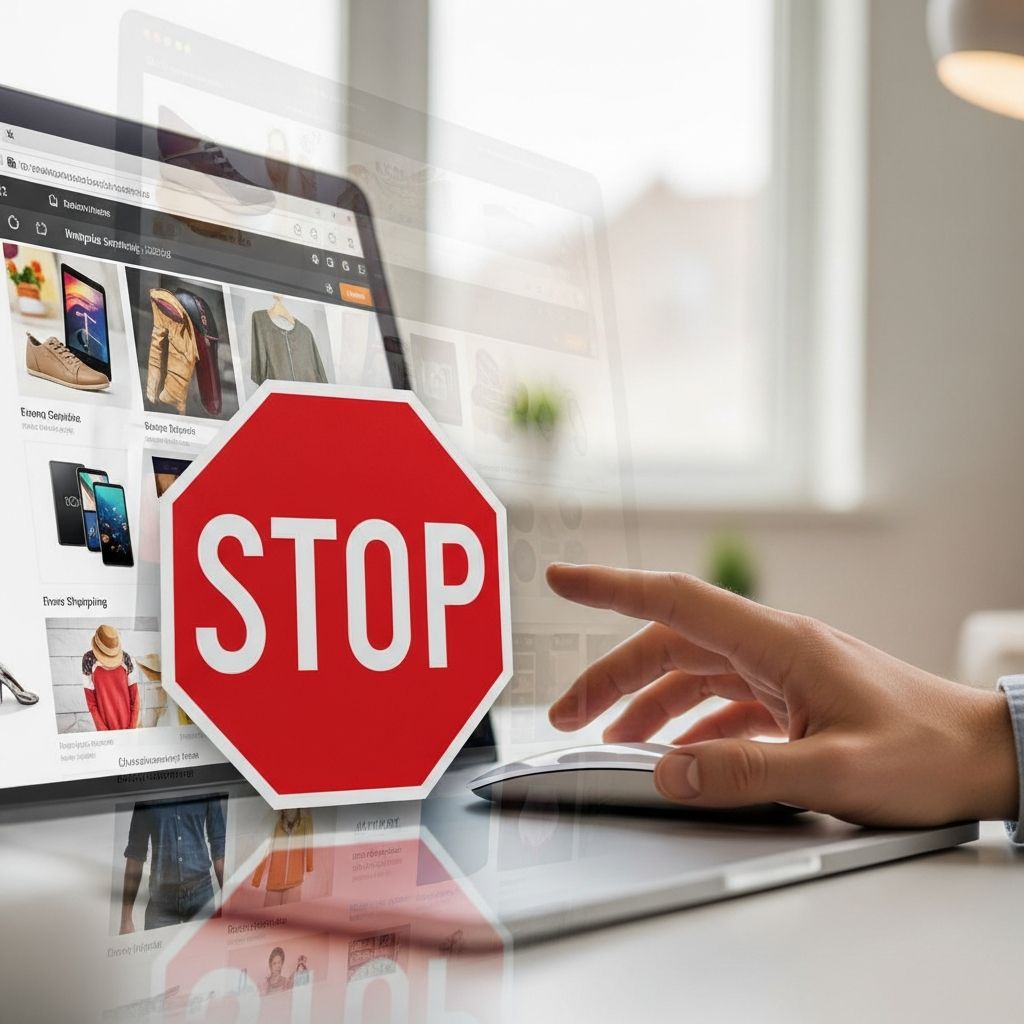
Online shopping offers unparalleled convenience, but it also fuels impulse purchases that can derail your financial goals. With just a few clicks, tempting deals and targeted ads can lead to regrettable spending. This guide outlines proven strategies to regain control, drawn from expert advice on curbing digital temptations. By implementing these steps, you can enjoy browsing without the budget busting aftermath.
1. Draft Your Online Budget
Start by creating a dedicated online shopping budget to set clear limits on your digital spending. Allocate a specific amount each month for non-essential online purchases, separate from necessities like groceries or bills. This approach mirrors traditional budgeting but focuses on e-commerce platforms.
For instance, use apps or spreadsheets to track categories such as clothing, electronics, and entertainment. According to financial experts, tracking inflows and outflows prevents overspending. Review your budget weekly, adjusting based on actual spending to build discipline. One effective method is the “fun money” budget, where you assign a fixed sum for whims, ensuring it depletes without dipping into savings.
- Determine monthly disposable income after essentials.
- Divide into sub-budgets: e.g., $50 for fashion, $30 for gadgets.
- Employ tools like EveryDollar or bank apps for real-time monitoring.
This structure transforms vague intentions into enforceable rules, reducing the allure of spontaneous buys.
2. Delete Stored Credit Card Info
One of the easiest ways to halt impulse buys is removing saved payment details from retail sites. Stored cards enable one-click purchases, minimizing the psychological “pain of paying” that deters spending. Without this friction, checkout becomes seamless, encouraging rash decisions.
Visit account settings on platforms like Amazon, eBay, or clothing retailers and delete all cards. This forces re-entry each time, creating a natural pause for reflection. Studies in behavioral economics highlight how delayed payment sensations, like credit cards, amplify impulsivity. Pair this with browser extensions that block auto-fill for financial data.
Users report significant reductions in unplanned purchases after this step, as the extra effort disrupts the impulse cycle. Re-add cards only for verified needs, and consider password managers for secure, selective access.
3. Pay Via a Single Account
Limit payments to one designated account or method for online shopping, such as a low-limit debit card or prepaid option. This contains potential damage from impulses, unlike linking multiple credit lines.
Choose an account with just enough balance for planned buys, reloading only as needed. This tactic echoes leaving credit cards at home during physical shopping, preventing easy access to full funds. Financial advisors recommend it for those prone to late-night scrolls or flash sales.
| Method | Pros | Cons |
|---|---|---|
| Debit Card | Spends real money immediately | Risk of overdraft fees |
| Prepaid Card | Strict limits | Reload fees possible |
| Single Checking | Easy tracking | Temptation to transfer funds |
Monitor transactions daily to reinforce habits, turning spending into a conscious choice.
4. Buy Gift Cards
Purchase store-specific gift cards in advance for a set amount, treating them like cash for that retailer. This caps exposure, as you can’t overspend beyond the balance. Buy during promotions for bonus value, but stick to planned limits.
For example, load $100 onto an Amazon gift card monthly. When depleted, shopping stops until replenished. This method leverages scarcity—once gone, no more buys—mirroring cash-only strategies. It’s particularly effective against FOMO-driven sales.
- Select retailers you frequent most.
- Avoid general-use cards to prevent broad temptation.
- Track balances via apps for awareness.
Many find this gamifies budgeting, making restraint rewarding.
5. Implement the 24-Hour (or Longer) Rule
Adopt a waiting period before finalizing any non-essential purchase. Add items to your cart, then wait 24 hours—or up to 30 days for big-ticket items—before buying. This cooling-off exploits waning desire, as initial excitement fades.
Psychological triggers like urgency marketing lose power with time. Set calendar reminders for review, asking: “Do I need it? Will I use it? Is it budgeted?” Research shows this pauses emotional spending, often leading to abandoned carts.
For habitual browsers, combine with wish lists: screenshot items and revisit later, price-comparing meanwhile.
6. Unsubscribe from Tempting Emails and Notifications
Retail emails and app alerts are prime impulse triggers, bombarding with deals. Unsubscribe en masse using tools like Clean Email or manual opt-outs. Route remaining promotions to a “Deals” folder checked sparingly.
This reduces exposure to FOMO tactics like “Limited stock!”. Disable push notifications on shopping apps to avoid midnight urges. Studies link targeted ads to lower self-control spending. Replace with positive feeds, like finance podcasts.
7. Shop with a List and Track Triggers
Always shop from a pre-made list, focusing solely on listed items. Note triggers—stress, boredom, late nights—and avoid those scenarios. Journal patterns: “Bought after Instagram scroll?”
Use lists for efficiency, ignoring add-ons. Apps like Goodbudget aid tracking. Shop alone digitally, resisting social media influences.
8. Leverage Return Policies and Research Sales
Buy from retailers with lenient returns, using post-purchase cooling periods to return impulsed items. Distinguish “must-have” from “on-sale maybe”—skip the latter. Research prices beforehand via wish lists.
Sales gimmicks crossed-out prices mislead; verify true value.
Frequently Asked Questions (FAQs)
Q: Why do I impulse shop online?
A: Triggers include FOMO, scarcity marketing, and low payment friction like stored cards.
Q: How effective is the 24-hour rule?
A: Highly; it allows emotions to settle, often eliminating the urge.
Q: Can I still enjoy shopping?
A: Yes, with a fun money budget and gift cards for controlled fun.
Q: What if I slip up?
A: Track it, adjust budget, and use returns—no guilt, just learning.
Q: Best apps for this?
A: EveryDollar for budgeting, browser blockers for sites.
Mastering online impulse spending requires consistent habits, but these strategies yield lasting financial freedom. Start small, like deleting cards today, and build from there.
References
- 9 Simple Ways to Stop Impulse Buying — Wise Bread. 2015-approx. https://www.wisebread.com/9-simple-ways-to-stop-impulse-buying
- This Is How You Stop Online Impulse Spending — Wise Bread. 2015-approx. https://www.wisebread.com/this-is-how-you-stop-online-impulse-spending
- Impulse Spending Triggers: Why That Sale Feels So Hard to Resist — AbbyBank. 2023-approx. https://www.abbybank.com/resource-center/newsroom/blog/impulse-spending-triggers-why-that-sale-feels-so-hard-to-resist
- 7 Effortless Ways to Prevent Budget-Busting Impulse Buys — Wise Bread. 2015-approx. https://www.wisebread.com/7-effortless-ways-to-prevent-budget-busting-impulse-buys
- How to stop the impulse buys: 4 smart strategies for healthy money — YouTube (The Columbian study ref). 2023-approx. https://www.youtube.com/watch?v=RdNfN_pZ0KA
Similar Articles








Read full bio of medha deb