Undefined: How Long These 6 Appliances Should Last
Discover the average lifespans of your major home appliances and proven tips to make them last longer while saving money.
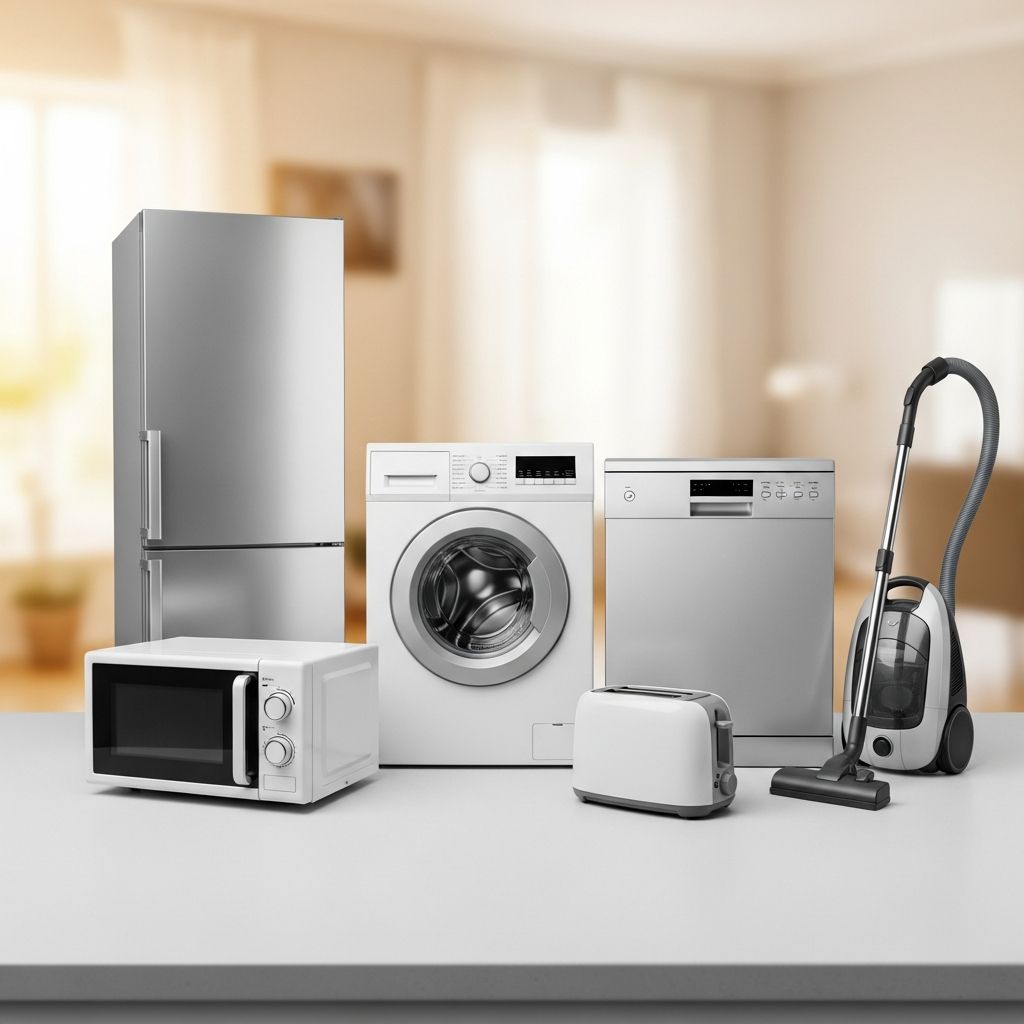
Modern home appliances are marvels of convenience, but they don’t last forever. Understanding their expected lifespans helps you budget for replacements, prioritize maintenance, and avoid unexpected breakdowns. This guide covers six key appliances—refrigerators, washing machines, dryers, dishwashers, ovens, and microwaves—drawing from industry data and expert insights. We’ll explore average durations, factors influencing longevity, and practical tips to extend their life, ensuring your home runs efficiently for years.
Refrigerators and Freezers: The Heart of Your Kitchen
Refrigerators and freezers are among the most critical appliances, keeping food fresh and safe. A well-maintained refrigerator typically lasts about 15 years, while freezers follow a similar timeline if properly cared for. However, heavy use or poor maintenance can shorten this to 10 years or less. Factors like frequent door openings, overloading, or inconsistent temperatures accelerate wear on compressors and seals.
To maximize lifespan:
- Clean door seals twice yearly with a mild soap solution to prevent air leaks.
- Set temperatures optimally: 37°F for the fridge and 0°F for the freezer.
- Defrost manual freezers regularly and avoid overpacking to ensure air circulation.
- Inspect coils behind the unit annually and vacuum dust buildup, as this improves efficiency by up to 20%.
Replacement signs include unusual noises, inconsistent cooling, or rising energy bills. Even if functioning, experts recommend replacement around 15 years due to efficiency drops and potential refrigerant issues.
Washing Machines: Cleaning Up Your Laundry Routine
Washing machines endure daily abuse from water, detergents, and heavy loads. Expect 8-12 years for top-loaders and slightly less (7-10 years) for front-loaders due to their complexity. Modern models pack features like steam cycles and smart sensors, but these add points of failure compared to simpler predecessors.
Key maintenance tips include:
- Run a monthly cleaning cycle with vinegar or manufacturer-recommended cleaners to prevent mold and residue buildup, especially in front-loaders.
- Avoid overloading to reduce strain on the motor and bearings.
- Leave the door ajar after use for air drying.
- Check hoses yearly for cracks and replace if needed to prevent floods.
Older myths suggest machines lasting 20+ years, but service techs note modern units are designed for 5-10 years of reliable service, with breakdowns often post-warranty. Opt for simpler models without excessive features for better durability.
Dryers: Keeping Clothes Fresh Without the Fuss
Clothes dryers mirror washers in lifespan, averaging 8-12 years according to industry reports. Electric dryers tend to outlast gas models slightly, but lint buildup is the biggest killer, posing fire risks if ignored. Sensors and moisture-tracking tech in newer units improve efficiency but complicate repairs.
Extend dryer life with these habits:
- Clean the lint filter after every load—failure to do so can reduce efficiency by 30% and shorten life.
- Ventilate properly: Clean the exhaust duct annually using a brush kit.
- Periodically drum-clean with a vinegar-water mix.
- Avoid drying large, bulky items frequently to minimize drum stress.
Watch for longer drying times or overheating as failure indicators. Regular upkeep not only prolongs life but enhances safety, as clogged vents cause thousands of fires yearly.
Dishwashers: Sparkling Dishes for Years
Dishwashers average 8-10 years of service, with high usage in busy homes shortening this. Pumps, seals, and spray arms wear fastest from hard water minerals and food debris. Unlike washers, they benefit from annual deep cleans.
Proven maintenance strategies:
- Monthly vinegar cycle: Place a cup on the top rack and run hot water to descale.
- Scrape dishes but skip rinsing to aid detergent action.
- Inspect door gaskets quarterly for leaks or mold.
- Use the right detergent and avoid overloading.
Quiet operation and energy-efficient models are popular, but simplicity aids longevity. If racks rust or the unit fails to drain, it’s nearing end-of-life.
Ovens and Ranges: Baking Reliability
Ovens last 10-15 years with care, though continuous-use commercial styles endure longer. Gas models may need annual line inspections, while electric ones suffer from coil wear. Self-cleaning features are convenient but stress components if overused.
Maintain your oven by:
- Cleaning interiors every three months or after spills, using oven-safe cleaners.
- Replacing spotted burner coils promptly.
- Keeping knobs and controls spotless to prevent malfunctions.
- For gas: Annual professional inspection of lines.
Irregular heating or door seal failures signal replacement time. Proper care ensures even cooking and safety.
Microwaves: Quick Heating, Modest Lifespan
Microwaves are short-lived at 7 years on average, dropping with heavy use. Turntable motors and magnetrons fail most often. They’re inexpensive to replace, but maintenance keeps them humming.
Essential tips:
- Clean weekly interiors with lemon-vinegar solution.
- Use only microwave-safe containers.
- Avoid metal or foil to prevent arcing.
- Test door alignment if sparking occurs.
Fading power or uneven heating means it’s time for a new one.
Factors Affecting Appliance Lifespan
Beyond model specifics, usage, environment, and maintenance dictate durability. Hard water, high humidity, and overloads accelerate wear. Modern appliances boast energy savings and features but are complex, often failing post-5-year warranty. Planned obsolescence debates aside, data shows 5-15 year expectations realistic.
| Appliance | Average Lifespan | Key Maintenance |
|---|---|---|
| Refrigerator/Freezer | 15 years | Clean seals, vacuum coils |
| Washing Machine | 8-12 years | Monthly clean cycle |
| Dryer | 8-12 years | Lint filter & vent clean |
| Dishwasher | 8-10 years | Vinegar deep clean |
| Oven | 10-15 years | Regular interior wipe |
| Microwave | 7 years | Weekly interior clean |
Tips to Make Appliances Last Longer
Buy simple designs over feature-packed ones—rental units prove basic models endure. Avoid brand-new models; wait a year for bugs to be ironed out. Regular maintenance is key: Dedicate time monthly. Manage expectations—grandma’s 30-year washer is rare today due to tech advances.
Frequently Asked Questions (FAQs)
Do modern appliances really last less than older ones?
Yes, typically 5-15 years vs. 10-20 historically, due to complexity and efficiency focus, though maintenance helps.
How often should I replace appliance filters or seals?
Filters monthly for HVAC/dryers; seals inspect/clean biannually for fridges/dishwashers.
Is it worth repairing a 10-year-old appliance?
Depends on cost—under 50% of new price, yes; otherwise, replace for efficiency gains.
Can water quality affect appliance life?
Absolutely; install softeners for hard water areas to prevent mineral buildup.
What if my appliance is still working after its average lifespan?
Great! Monitor efficiency; replace proactively for safety and savings.
References
- A Guide to Major Home Appliance Maintenance and Replacement — Trusted Choice. 2024-01-01. https://www.trustedchoice.com/insurance-articles/home-family/appliance-maintenance/
- This Is How Long These 6 Appliances Should Last — Wise Bread. 2015-06-01. https://www.wisebread.com/this-is-how-long-these-6-appliances-should-last
- The SHOCKING Truth About Appliance Lifespans! — YouTube (Project Farm reference via Rachel Wharton). 2025-01-01. https://www.youtube.com/watch?v=kBwBxYVKweg
- What Happened? Appliance Lifespans: Then vs Now — Boulevard Home (YouTube). 2025-10-03. https://www.youtube.com/watch?v=VQmzYxXcgs0
Similar Articles








Read full bio of Sneha Tete