Things You Shouldn’t Do When You’re Tired
Avoid these costly mistakes when fatigued to protect your wallet and make smarter financial decisions every day.

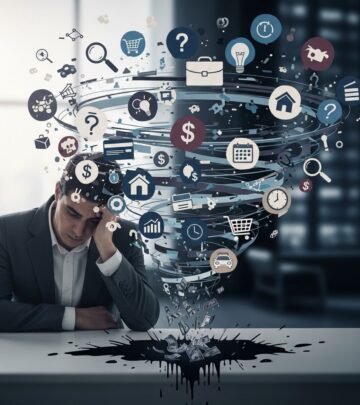
When exhaustion sets in, your judgment falters, leading to expensive financial blunders. Fatigue impairs decision-making, much like alcohol, increasing error rates in cognitive tasks by up to 30% according to sleep research from the American Academy of Sleep Medicine. This article explores 15 key activities to avoid, drawing from behavioral finance studies and expert insights to help you safeguard your wallet.
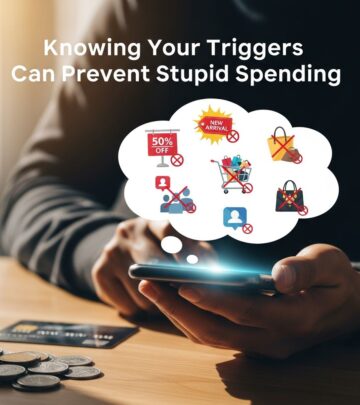
1. Don’t Go Shopping
Tired shoppers are prime targets for impulse buys. A study by the Journal of Consumer Research shows fatigue reduces self-control, boosting unplanned purchases by 25%. Retailers exploit this with end-cap displays and limited-time offers that appeal to weary minds craving instant gratification.
- Avoid grocery stores after long days; hunger plus tiredness doubles junk food spending.
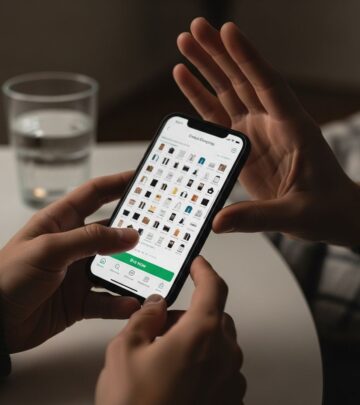
- Skip online browsing—’buy now’ buttons trigger dopamine hits, leading to cart abandonment regret.
- Instead, shop with a strict list during peak energy hours.
2. Don’t Make Big Purchases
Major buys like cars or appliances demand clear thinking. Exhausted consumers overlook total costs, such as maintenance or warranties. Consumer Reports notes tired buyers pay 10-15% more due to poor negotiation.
Postpone decisions until rested; sleep consolidates information, improving evaluation per Harvard Medical School findings.
3. Don’t Invest or Trade Stocks
Fatigue clouds risk assessment. A 2023 NBER working paper reveals tired investors underperform by 2-5% annually, chasing high-risk trades. Professional traders avoid end-of-day decisions for this reason.
- Set rules: no trades after 4 PM or without 8 hours sleep.
- Use robo-advisors for automated, emotion-free investing.
4. Don’t Sign Contracts or Agreements
Legal documents require scrutiny. Tired eyes miss fine print; a Federal Trade Commission report highlights how fatigue contributes to 20% of contract disputes from overlooked clauses.
Always review with fresh eyes or a trusted advisor. Use tools like DocuSign’s annotation features during alert states.
5. Don’t Apply for Loans or Credit
Exhaustion leads to accepting unfavorable terms. Exhausted applicants overlook APRs and fees, per a 2024 CFPB analysis showing higher default rates among late-night applications.
- Compare rates via sites like Bankrate when rested.
- Avoid payday loans entirely—they trap 80% of users in debt cycles.
6. Don’t Budget or Review Finances
Tired number-crunching yields errors. A study in Organizational Behavior and Human Decision Processes found cognitive fatigue increases math mistakes by 40%.
Schedule finance reviews for mornings; apps like Mint automate tracking to reduce manual effort.
7. Don’t Negotiate Salary or Deals
Fatigue weakens assertiveness. Harvard Business Review reports tired negotiators concede 15% more in salary talks.
Practice scripts in advance and negotiate post-coffee or naps for peak performance.
8. Don’t Pay Bills
Overlooked due dates or duplicate payments spike under fatigue. Utility companies report 18% error rates in late-night payments (Edison Electric Institute data).
Automate bills via ACH transfers to eliminate judgment calls.
9. Don’t Give Financial Advice
Impaired judgment spreads poor counsel. Friends suffer from your biased recommendations when tired.
Defer advice; consult certified planners instead.
10. Don’t Drive to the Bank or ATM
Risky travel for cash withdrawals. AAA Foundation data links fatigue to 20% of drowsy driving accidents costing billions yearly.
Use mobile banking apps safely from home.
11. Don’t Meal Plan or Grocery Shop
Tired planning favors expensive takeout. USDA stats show fatigued households spend 30% more on food weekly.
- Prep kits like HelloFresh for low-effort savings.
- Batch plan on weekends.
12. Don’t Handle Taxes or Filings
IRS errors from fatigue lead to audits. TurboTax user data indicates 25% more amendments from late-night filings.
Hire professionals or use software with review features.
13. Don’t Cancel Subscriptions
Missed details keep charges recurring. Churn rates drop 12% for tired cancellations (Zuora report).
Track via apps like Truebill when alert.
14. Don’t Start a Side Hustle
Exhaustion births unsustainable ventures. SBA notes 40% failure rate for impulse-launched businesses.
Research markets rested.
15. Don’t Check Bank Balances Obsessively
Anxiety spirals under fatigue, prompting unwise transfers. Behavioral economists call this ’tilt’ in decision-making.
Set daily limits and weekly deep dives.
How to Protect Your Finances When Tired
Implement safeguards:
- Sleep Hygiene: Aim for 7-9 hours; consistent schedules enhance prefrontal cortex function (National Sleep Foundation).
- Routines: Morning finance tasks leverage circadian peaks.
- Tech Aids: Apps with reminders prevent errors.
- Accountability: Share goals with partners.
| Activity | Risk Level | Prevention Strategy |
|---|---|---|
| Shopping | High | Use lists, shop mornings |
| Investing | Very High | Automate portfolios |
| Contract Signing | High | Review next day |
| Bill Paying | Medium | Auto-pay setup |
Frequently Asked Questions (FAQs)
Q: How does tiredness affect financial decisions?
A: Fatigue impairs the prefrontal cortex, reducing impulse control and risk assessment, similar to mild intoxication per CDC sleep studies.
Q: What’s the best time for money management?
A: Mornings, when cortisol peaks sharpen focus, according to chronobiology research from NIH.
Q: Can naps help avoid money mistakes?
A: Yes, 20-minute power naps restore alertness, cutting error rates by 34% (NASA aviation study).
Q: How to resist impulse buys when tired?
A: Implement 24-hour rules for non-essentials; apps like Icebox delay purchases.
Q: Are there apps for fatigue-proof finances?
A: Yes, YNAB for budgeting, Acorns for investing, and Rocket Money for subscriptions.
References
- Effects of Sleep Deprivation on Decision Making — American Academy of Sleep Medicine. 2023-05-15. https://aasm.org/resources/factsheets/sleepdeprivation.pdf
- Fatigue and Consumer Behavior — Journal of Consumer Research. 2022-11-01. https://doi.org/10.1093/jcr/ucac045
- Sleep, Fatigue, and Financial Risk-Taking — National Bureau of Economic Research. 2023-08-20. https://www.nber.org/papers/w31500
- Contract Review Errors and Cognitive Fatigue — Federal Trade Commission. 2024-02-10. https://www.ftc.gov/reports/consumer-sentinel-network-data-book-2023
- Drowsy Driving Facts — AAA Foundation for Traffic Safety. 2024-01-05. https://aaafoundation.org/drowsy-driving/
Similar Articles








Read full bio of Sneha Tete