Things You Should Never Pay For: Smart Money-Saving Tips
Discover essential expenses you can eliminate and smart strategies to keep more money in your pocket today.

Managing personal finances effectively requires understanding where your money goes and identifying unnecessary expenses that drain your budget. Many people pay for services and items without realizing they could access them free or find better alternatives. By recognizing these unnecessary costs, you can redirect that money toward your savings goals and build long-term financial security. This comprehensive guide explores the expenses you should eliminate and offers practical strategies to keep more money in your wallet.
Banking Fees and Financial Charges
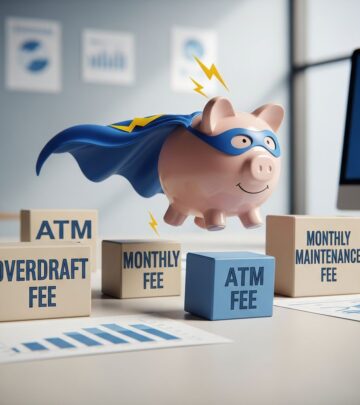
One of the most controllable expenses in your budget involves banking fees. Many financial institutions charge monthly maintenance fees simply for maintaining an account with them. If your bank is siphoning money from your account through maintenance charges, it’s time to switch banks. Numerous online and community banks offer completely free checking accounts without hidden fees or minimum balance requirements.
Beyond account maintenance fees, ATM charges represent another significant drain on your finances. Some ATMs charge upwards of $5 per transaction, which adds up quickly if you frequently withdraw cash. Rather than paying these excessive fees, plan ahead by withdrawing the cash you need for your outings in advance. If you’re spending money on drinks and entertainment at inflated prices, the last thing you need is to pay an additional $5 to $10 in bank fees.
Key banking savings strategies include:
- Switching to banks that offer free checking accounts with no maintenance fees
- Using in-network ATMs exclusively or withdrawing cash during debit transactions at retailers
- Avoiding out-of-network ATMs that charge excessive transaction fees
- Planning cash withdrawals in advance to minimize trips to ATMs
- Setting up direct deposit to qualify for fee waivers at many institutions
Internet and Wi-Fi Services
While paying for internet at home is generally necessary for most people, paying for Wi-Fi outside your home is an unnecessary expense. Many public spaces, coffee shops, libraries, and restaurants offer free Wi-Fi to customers. Additionally, you may have access to free Wi-Fi through various community programs and public institutions.
If you’re consistently purchasing drinks or snacks to justify using a café’s Wi-Fi, you’re spending significantly more than you would on a home internet connection. Instead, visit libraries and community centers that offer free internet access without requiring any purchases. Many cities also offer free municipal Wi-Fi in public areas. By avoiding the impulse to buy items while accessing free Wi-Fi outside, you’ll save considerably on both internet costs and unnecessary purchases.
Books and Reading Materials
Purchasing books regularly can become an expensive habit, especially if you’re an avid reader. Your local library offers an incredible wealth of free books in both paperback and hardcover formats. Library memberships are typically free for residents of your community, providing unlimited access to an extensive collection of titles.
Beyond libraries, you can also borrow books from friends and family members. Many book clubs and reading communities facilitate free book exchanges. E-books often cost less than physical copies, and many libraries now lend digital books through their apps. By leveraging library resources and borrowing from your social network, you can read as much as you want without spending money on purchases.
Credit Reports and Financial Information
The federal government entitles every person to a free annual credit report by law. Never, ever pay for a credit report. You have the right to receive one free credit report from each of the three major credit bureaus annually through authorized channels. Any credit report you obtain in January remains valid for at least one year and will be accepted by anyone who needs to review your creditworthiness.
Services that charge money for credit reports are exploiting consumers’ lack of awareness about their legal rights. Websites that appear to offer free credit reports often have hidden fees or require credit card information to access supposedly complimentary information. Stick to official government-endorsed sources for your free annual credit report and avoid any service that charges for this information.
Water and Beverages
Tap water is heavily regulated and safe to drink in most developed countries, yet many people pay premium prices for bottled water. Investing in a quality water filter and reusable water bottle eliminates the need to purchase bottled water repeatedly. Over a year, the savings from avoiding bottled water purchases can total hundreds of dollars, particularly if multiple family members were buying bottled drinks regularly.
Similarly, avoid paying for beverages like lemonade and coffee when you can make them at home for a fraction of the cost. When dining out, order water instead of paying for soft drinks or other beverages. Restaurants often charge $2 to $5 for drinks that cost less than $0.50 to produce, making beverages one of the highest-margin items on any menu.
Premium Cable and Streaming Services You Don’t Use
Many households subscribe to cable packages and streaming services they rarely watch. Review your subscriptions monthly and cancel services you’re not actively using. With numerous free and low-cost streaming options available, including ad-supported platforms, there’s no reason to pay for premium services you’ve stopped enjoying.
The average American household spends over $100 monthly on entertainment subscriptions. By auditing your subscriptions and keeping only those you regularly use, you can cut this expense in half or more. Many services offer free trial periods; use these strategically but cancel before charges apply if you don’t want to continue.
Gym Memberships You Don’t Use
Gym memberships represent a significant annual expense that often goes unused. Before signing a membership contract, honestly assess whether you’ll realistically use the facility regularly. Many people pay monthly fees for months or years without ever visiting.
Free alternatives to gym memberships include walking, running, home workouts using YouTube videos, and community recreation centers that offer subsidized fitness programs. If you do enjoy gym facilities, negotiate your membership rate, look for corporate discounts through your employer, or consider paying per visit instead of committing to monthly fees.
Extended Warranties and Protection Plans
Retailers aggressively push extended warranties and protection plans at purchase, claiming they protect your investment. In reality, most extended warranties are rarely worth the cost. Manufacturer warranties typically cover defects that appear shortly after purchase, which is when problems most commonly arise. Extended warranties often have numerous exclusions and deductibles that limit their actual usefulness.
Instead of purchasing extended warranties, set aside the warranty cost into a savings fund for potential repairs. Most electronics will either fail within the manufacturer’s warranty period or last for years without problems. Your personal savings fund will provide more flexible coverage than restrictive warranty terms.
Convenience Fees and Service Charges
Event ticketing websites, utility payment services, and various online platforms charge convenience fees for processing transactions. These fees can add 5-15% to your costs. Whenever possible, pay directly through the service provider’s official website or in person to avoid these charges. Call your utility company to pay by phone without fees rather than using third-party payment platforms that charge processing fees.
Premium Versions of Free Software
Many software applications offer free versions that include all essential features. Before upgrading to paid premium versions, thoroughly explore the free option to confirm that you actually need the additional features. Countless free tools exist for productivity, photo editing, note-taking, and other common tasks.
Invisible Savings Strategies
Beyond eliminating major expenses, implement subtle savings techniques that accumulate over time. Consider these practical approaches:
- Roundup savings: Round up debit transactions to the nearest dollar and transfer the difference to savings automatically
- Save specific bills: Set aside all $5 bills in a separate savings container rather than spending them
- Preserve loose change: Never spend loose change; deposit it directly into a savings account
- Automatic transfers: Move money to savings before you receive your paycheck, making it invisible in your spending budget
- Cash buffer system: Keep a small cushion in your checking account to catch recording errors and reduce overdraft fees
These invisible savings methods work because you barely notice the money leaving your spending account, yet the amounts add up significantly over time. A few hundred dollars in annual savings from these techniques can fund emergency funds, holiday gifts, or debt reduction.
Smart Shopping Principles
Beyond specific expenses to avoid, adopt fundamental shopping principles that prevent unnecessary purchases. Never buy something simply because it’s on sale. Coupons and discounts are designed to trigger impulse purchases of items you wouldn’t normally buy. Before using any coupon, honestly ask yourself whether you actually need the product. Sales and discounts only save money if you were planning to purchase the item anyway.
Calculate the cost per wear before purchasing clothing items. Expensive pieces worn frequently represent better value than cheap items worn occasionally. Treat frugal living like maintaining your health—it requires consistency, planning, and conscious decision-making rather than sporadic efforts.
Building Long-Term Financial Habits
Developing sustainable money-saving habits requires viewing frugal living as a lifestyle rather than a temporary diet. Just as maintaining physical health requires consistent exercise and good nutrition, maintaining financial health requires ongoing conscious spending decisions and regular monitoring of your expenses.
Review your financial situation annually, including credit reports, subscription services, and recurring expenses. Small leaks in your budget—like unused gym memberships, forgotten subscriptions, and unnecessary fees—compound significantly over years. Annual audits catch these drains before they cost you thousands of dollars.
Frequently Asked Questions
Q: How can I find my free annual credit report?
A: Visit AnnualCreditReport.com, the official government-authorized website. You can request one free report from each of the three major credit bureaus (Equifax, Experian, and TransUnion) annually. Avoid third-party websites claiming to offer free reports, as they often require credit card information and charge hidden fees.
Q: Are there legitimate reasons to pay for extended warranties?
A: Rarely. For inexpensive items, self-insuring through personal savings is typically more cost-effective. For high-value electronics, compare the warranty cost against potential repair costs and your financial ability to handle unexpected repairs before deciding.
Q: How much can I realistically save by eliminating these expenses?
A: Savings vary based on your current spending habits. Eliminating banking fees ($10-15/month), unused subscriptions ($20-50/month), and excessive ATM charges ($20-40/month) could save $400-$1,000 annually. Adding water bottle usage and library books could increase savings to $1,500+ annually.
Q: What should I do if my bank charges fees?
A: Switch to a bank offering free checking accounts. Many online banks and credit unions provide completely free accounts with no minimum balance requirements or monthly maintenance fees. The process typically takes less than an hour.
Q: How do invisible savings techniques actually work?
A: These techniques work by automating savings so you don’t miss the money. When savings happen automatically before you receive paychecks or through roundup systems, you adjust your spending to the remaining amount. Over time, small amounts accumulate into substantial savings without requiring willpower.
References
- Consumer Rights: Free Annual Credit Report — Federal Trade Commission. 2025. https://www.consumer.ftc.gov/articles/0155-free-credit-reports
- Banking Fees and Consumer Choice — Consumer Financial Protection Bureau. 2024. https://www.consumerfinance.gov/
- Personal Finance: Smart Money Management — U.S. Department of Labor. 2025. https://www.dol.gov/agencies/ebsa/about-ebsa
- Water Safety and Public Health — Environmental Protection Agency. 2024. https://www.epa.gov/ground-water-and-drinking-water
- Subscription Services and Consumer Spending Trends — Bureau of Labor Statistics. 2025. https://www.bls.gov/
Similar Articles








Read full bio of Sneha Tete