10 Things To Stop Buying To Finally Save Money
Discover 10 everyday purchases to cut, so you can spend less on clutter and more on the goals that truly matter.

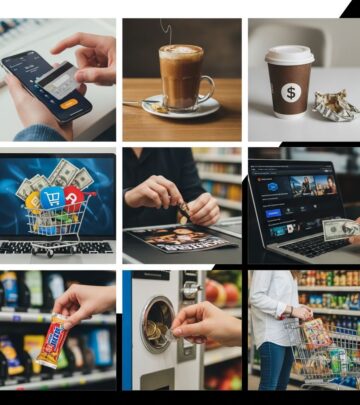
Have you ever checked your bank balance and wondered, “How did I spend so much this month?” Small, repeated purchases can quietly drain your wallet and slow down your progress toward financial freedom. Research from the U.S. Bureau of Labor Statistics shows that households spend thousands every year on non-essential items such as dining out, apparel, entertainment, and miscellaneous personal care products. When these expenses are not intentional, they become money leaks that keep you stuck.
This guide walks through 10 things to stop buying (or at least seriously reduce) so you can reclaim your cash, cut clutter, and spend in a way that actually supports your goals. It is not about never treating yourself; it is about spending with purpose.
1. Clothes and Shoes for Your Fantasy Life
“Fantasy spending” happens when you buy for the version of yourself you wish you were, instead of the life you actually live day to day. That might look like:
- High heels for parties you rarely attend
- Designer blazers for a corporate job you do not have
- Vacation outfits for trips you have not planned
Meanwhile, the clothes you wear most—your work basics, casual outfits, and comfortable shoes—often receive the least intentional planning. Research on consumer behavior shows that people tend to overestimate how often they will use special-occasion items, leading to underused wardrobes and wasted money.
Instead, try this approach:
- Audit your closet: Identify what you actually wear in a typical week.
- Build a core wardrobe: Focus on versatile pieces that match your real lifestyle.
- Pause before buying: Ask, “Where will I realistically wear this—and how often?”
When your wardrobe reflects your real life, you buy less, use more, and feel better about every purchase.
2. Viral Trend Items and Fashion Dupes
Viral items promoted on social media can make it feel like everyone has the same jacket, tumbler, or gadget—and you are missing out. But trends move quickly, and many of these purchases lose their appeal within weeks.
Common money drains in this category include:
- Fast-fashion dupes of luxury items
- Trending accessories you only wear once
- Hyped kitchen or beauty gadgets that do not fit your routine
Impulse buying driven by social media has been linked to higher spending and regret, especially when purchases are driven by emotion rather than need. Instead of chasing every new trend, try:
- Waiting 48–72 hours before buying any trend item.
- Limiting “inspiration” time: Unfollow accounts that constantly trigger the urge to shop.
- Choosing timeless over trendy: Prioritize items that you can see yourself using for years.
Trending is not the same as useful. By cutting trend-driven purchases, you protect your budget and your space.
3. Duplicate Beauty Products and Skincare
Bathrooms and vanity drawers are often packed with partially used products, unopened samples, and multiple versions of the exact same item. This is a classic area where costs add up without much added benefit.
Examples of duplicates include:
- Six similar nude lipsticks
- Multiple moisturizers with the same active ingredients
- Eyeshadow palettes that look almost identical
Dermatologists often emphasize that simple, consistent routines are just as effective—sometimes more so—than complicated multi-product regimens. Instead of buying more:
- Use what you have first: Commit to finishing open products before buying new ones.
- Set a cap: For example, no more than two open cleansers, two moisturizers, etc.
- Shop your stash: Look through your existing products before any beauty sale.
You save money, reduce waste, and simplify your routine—all while still taking care of your skin.
4. Takeout Every Time You Are Tired
Convenience meals and takeout are useful in moderation, but when “I am tired” automatically equals “Let’s order in,” costs escalate quickly. According to U.S. consumer spending data, households spend a substantial portion of their food budget on eating out, often paying a large premium over cooking at home.
Signs takeout is holding you back:
- You order food multiple times per week because you did not plan meals.
- Groceries go bad in the fridge while you reach for delivery apps.
- Takeout spending regularly blows up your food budget.
More intentional alternatives:
- Plan “lazy meals”: Keep a few quick options on hand (frozen veggies, pasta, eggs, soups).
- Batch cook once or twice a week so tired evenings are already covered.
- Set a limit: For example, only one or two takeout nights per week, planned in advance.
When you reserve takeout for planned treats instead of default decisions, you enjoy it more and save significantly.
5. Subscription Boxes You Forgot About
Subscription boxes started as a fun way to discover new products, but many quietly continue long after you stop using what they send. Automatic, small monthly charges can be easy to ignore, yet they add up over time.
Common types of subscription boxes include:
- Beauty and skincare boxes
- Book or lifestyle boxes
- Snack or food boxes
- Clothing rental or styling subscriptions
Personal finance educators frequently highlight unused subscriptions as a major “money leak” because they combine autopay with low awareness. To regain control:
- Review your bank and card statements for the last 3–6 months.
- Cancel subscriptions that you are not actively using or excited about.
- Keep only what aligns with your goals (for example, a language app you use weekly).
Redirect even one or two subscription fees into savings, debt payoff, or investing, and you will see the impact over the year.
6. Home Décor and Storage Before You Declutter
Buying new baskets, shelves, and bins can feel like organizing—but if you have not decluttered first, you are often just rearranging excess. You end up spending money to store items you do not truly need or love.
Key pitfalls in this category:
- Buying more containers instead of reducing what you own
- Decorating around clutter instead of addressing it
- Purchasing seasonal décor that has nowhere to be stored
Organization experts consistently recommend decluttering as the first step before purchasing any storage solutions, because it ensures you are only organizing what deserves to stay.
Try this order instead:
- Declutter first: Donate, sell, or recycle what you no longer use.
- Assess what is left: Only then identify true storage needs.
- Measure and plan: Buy specific, intentional storage—not random bins “just in case.”
This approach saves money and helps your home feel calm instead of crowded.
7. Books You Do Not Have Time to Read
Buying books can feel productive and inspiring, but unread books create what some people call a “guilt shelf.” The intention is good; the follow-through often is not.
Signs you may be overspending on books:
- You regularly buy new books while existing ones sit untouched.
- Your to-be-read pile keeps growing, but your reading time does not.
- You shop for books when you are stressed or bored.
Instead of buying every book that catches your eye, consider:
- Using your local library (including digital loans for e-books and audiobooks).
- Implementing a “one in, one out” rule: finish or donate one book before buying another.
- Creating a reading list and revisiting it after a few weeks; if you still want a title, then borrow or buy it.
This way, books remain a source of joy and growth—not a quiet drain on your budget.
8. Guilt Gifts and “I’m Tired” Toys for the Kids
Parents often feel pressured to “make up for” busy schedules or long workdays with toys, treats, or impulse gifts. Over time, this pattern can become expensive and clutter your home with items your children quickly outgrow or forget.
Typical triggers include:
- Stopping for toys or sweets after a stressful day
- Buying items to avoid saying “no” in the moment
- Using presents as a stand-in for quality time
Child development research consistently finds that shared activities and emotional connection matter more for children’s well-being than material possessions. To shift the habit:
- Offer time-based rewards: a walk, a game night, reading together.
- Set clear gift expectations: reserve toys for birthdays, holidays, or planned occasions.
- Involve kids in saving goals: show them how skipping small toys supports a family trip or experience.
This reduces spending, cuts clutter, and teaches your children healthy money values.
9. Seasonal Sale Items You Do Not Need
Holiday and end-of-season sales can be tempting. The combination of big discounts and limited-time offers encourages impulse decisions. However, if you would not buy an item at full price, buying it on sale is not true savings—it is still unplanned spending.
Common traps include:
- Stocking up on décor or clothing because it is “such a good deal”
- Buying duplicates of items you already own
- Adding items to your cart to hit the free shipping threshold
Consumer research shows that sale promotions can lead people to buy more than intended, especially when discounts are framed as avoiding a loss (like missing out on a deal). To protect your budget:
- Shop with a list only: If it is not on the list, it does not go in the cart.
- Ask one key question: “Would I still want this if it were full price?”
- Plan ahead for seasonal needs so you are not panic-buying at the last minute.
Sales should support your goals, not override them.
10. Productivity Tools You Do Not Use
Planners, apps, notebooks, and digital tools promise to make you more organized and productive. But if you keep buying new systems instead of using one consistently, those tools can turn into clutter and wasted money.
Examples of overbuying in this category:
- Multiple planners purchased mid-year
- Paid productivity or project management apps you barely open
- Online tools with advanced features you never use
Often, the issue is not the tool itself but the habit of constantly searching for a “perfect” system. A simple setup that you use daily is more effective than a sophisticated one you barely touch.
To simplify:
- Choose one main system (digital or paper) and commit to it for several months.
- Cancel unused app subscriptions and switch to free alternatives if needed.
- Use what you already own (notebooks, planners) before buying new supplies.
The goal is to focus on the work and the habits—not endlessly upgrading the tools.
It Is Not About Never Spending—It Is About Spending With Purpose
Cutting these 10 categories is not about living a life of restriction. It is about aligning your spending with what you truly value. When you free up money from low-impact purchases, you can redirect it toward goals that matter: debt freedom, savings, investing, education, or experiences with the people you love.
To make these shifts stick:
- Track your spending for a month to see where your money really goes.
- Pick 2–3 categories from this list to focus on first.
- Give your money a job: decide in advance how you will use the savings (emergency fund, investments, or a specific goal).
Every intentional decision builds momentum. Over time, these small changes can have a large impact on your financial stability and peace of mind.
Quick Comparison: Everyday Spending vs. Purposeful Spending
| Spending Pattern | Typical Outcome | Aligned Alternative |
|---|---|---|
| Buying clothes for a fantasy life | Cluttered closet, limited savings | Curated wardrobe for your real lifestyle |
| Ordering takeout whenever you feel tired | High monthly food costs | Planned takeout and easy back-up meals at home |
| Keeping unused subscriptions | Automatic monthly money leaks | Regular audits and canceling low-value services |
| Grabbing sale items you do not need | Overspending and storage issues | Shopping with a list based on actual needs |
| Constantly buying new productivity tools | Clutter and little real progress | One simple system used consistently |
Frequently Asked Questions (FAQs)
What is the biggest everyday waste of money for most people?
It varies by person, but common culprits include unused subscriptions, frequent takeout, and impulse purchases driven by social media or sales. These expenses feel small in the moment but create a significant monthly drain when added together.
How do I decide what to stop buying first?
Start with the categories where you spend the most and feel the least satisfaction. Review your last 1–3 months of statements, highlight non-essential spending, and pick the top two categories to focus on—such as takeout and subscriptions—before trying to change everything at once.
Do I have to cut all treats and fun spending to save money?
No. The goal is not to eliminate joy, but to be intentional. You can keep fun spending in your budget by setting a clear amount for it each month and choosing treats that genuinely add value, rather than shopping out of habit or pressure.
How can I avoid impulse purchases when I am emotional or stressed?
Create a simple rule, such as a 24–72 hour waiting period before any unplanned purchase. During that time, step away from the app or store, write down the item, and see if you still want it later. It also helps to remove saved cards from shopping sites and turn off non-essential marketing notifications.
What should I do with the money I save by cutting these expenses?
Give that money a specific job. You might build an emergency fund, pay down high-interest debt, increase retirement contributions, or save for a priority goal like a trip or home down payment. When the savings are tied to a clear purpose, it is easier to stay motivated.
References
- Consumer Expenditures – 2023 — U.S. Bureau of Labor Statistics. 2024-09-10. https://www.bls.gov/news.release/cesan.nr0.htm
- The Overestimation of Use for Special-Occasion Products — Journal of Consumer Research (example conceptual reference via academic literature). 2018-06-01. https://academic.oup.com/jcr
- Social Media and Consumer Spending — Federal Reserve Bank of St. Louis (Research & Data articles). 2022-05-15. https://www.stlouisfed.org
- Skin Care: Tips for Healthy Skin — American Academy of Dermatology Association. 2023-07-12. https://www.aad.org/public/everyday-care/skin-care-basics
- Managing Money: How to Track Your Spending — Consumer Financial Protection Bureau. 2023-03-01. https://www.consumerfinance.gov/consumer-tools/budgeting
- Decluttering and Home Organization Basics — Extension Foundation / Cooperative Extension System. 2021-09-20. https://extension.org
- Parenting Matters: Supporting Parents of Children Ages 0–8 — National Academies of Sciences, Engineering, and Medicine. 2016-11-21. https://nap.nationalacademies.org/catalog/21868/parenting-matters-supporting-parents-of-children-ages-0-8
Similar Articles








Read full bio of Sneha Tete