7 Things Getting More Expensive In 2025 And How To Budget
Navigate rising costs in 2025: coffee, eggs, meat, travel, watches, streaming, and home insurance.
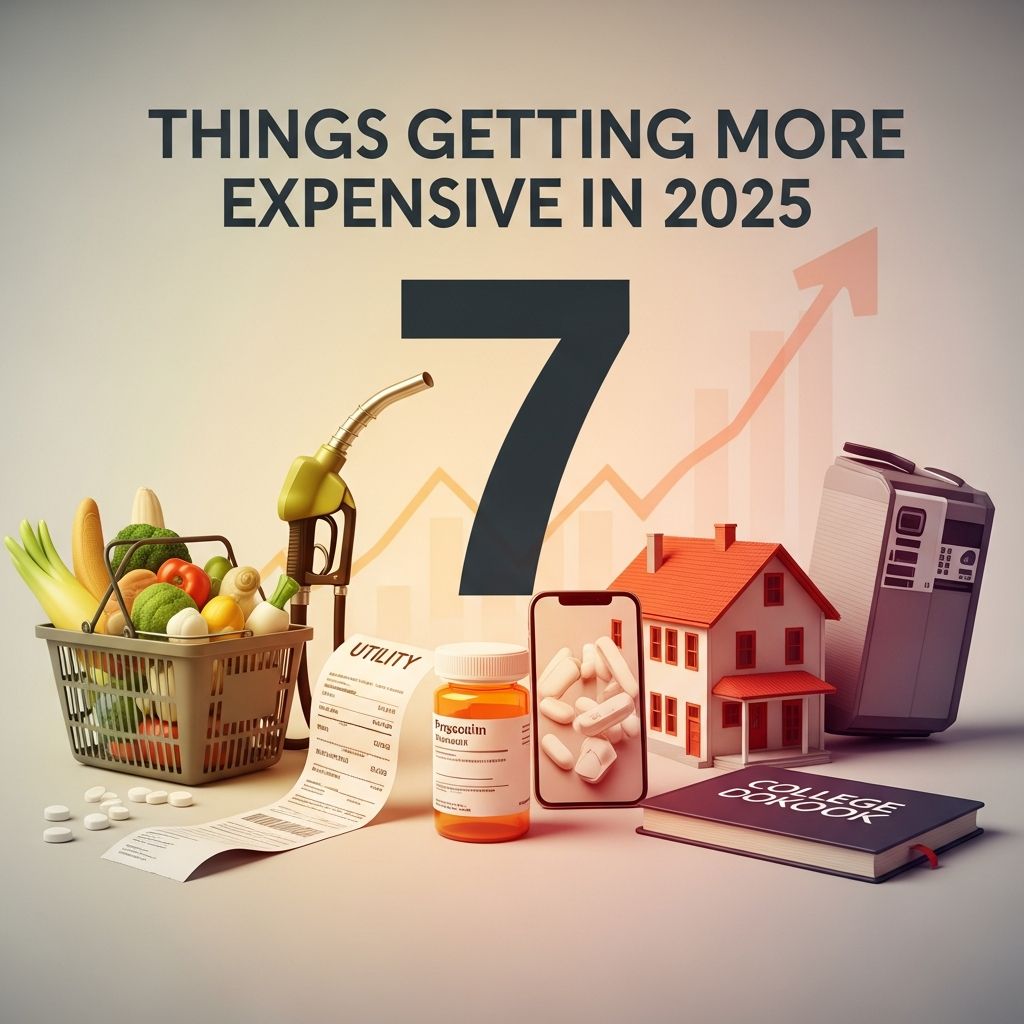
While inflation has cooled significantly from its peaks in 2022 and 2023, consumers across the United States will still face price increases on many everyday items throughout 2025. The overall annual inflation rate currently sits at 2.7%, only slightly above the Federal Reserve’s long-term target of 2%. However, this doesn’t tell the complete story for shoppers at the grocery store, travel booking websites, or insurance agencies. Specific categories of goods and services are experiencing dramatic price increases driven by supply chain disruptions, climate challenges, and increased demand. Whether you’re a coffee drinker, meat lover, or homeowner, understanding which items will cost more in 2025 can help you budget effectively.
Coffee: Brewing Up Higher Prices
If your morning routine includes a cup of coffee, prepare for sticker shock at the checkout counter. Coffee prices surged in November and December following severe drought conditions in Brazil, the world’s largest exporter of coffee beans. Futures prices for Arabica beans, which are grown across Central and South America, reached record highs. The situation worsened when heavy rainfall followed the drought in Brazil’s coffee-growing regions, creating a perfect storm for supply disruption.
Industry experts project that coffee prices could climb approximately 20% in 2025 as a result of these adverse climate conditions, rising production costs, and growing global demand. This means your daily latte could cost significantly more by mid-year. The silver lining? Buying coffee in bulk from warehouse retailers like Costco may help you lock in better prices before increases take effect.
Eggs: A 37.5% Jump Already Here
The cost of eggs has skyrocketed more dramatically than nearly any other grocery item in recent history. According to consumer price index data, egg prices jumped an astounding 37.5% over the past year, making them one of the most affected food items. In California, the average price of a dozen eggs reached $9 in December, a staggering increase from just a couple of years ago.
The primary culprit behind this surge is the worsening bird flu outbreak, which has decimated poultry flocks across the nation and significantly reduced egg supply. The U.S. Department of Agriculture warns that consumers could face an additional double-digit increase in egg prices throughout 2025. Officials caution that prices likely won’t stabilize until the second half of 2025, when egg production is expected to begin recovering from current levels.
Meat: Beef Prices at Historic Highs
Meat lovers face a challenging year ahead as beef prices continue climbing to record levels. Beef prices soared to historic highs in the fall and remain just below those peak levels according to data from the U.S. Bureau of Labor Statistics. The driving force behind these increases is historically low cattle inventory, which hasn’t been this depleted in decades.
The USDA’s food price outlook forecasts inflation of 3.8% in 2025 specifically for the beef and veal category, with cattle prices expected to continue rising due to persistently low production levels. Pork prices are also climbing, with ham prices increasing 3.9% from October to November and pork chop prices rising 3.6% during the same period. For families who rely on meat as a staple protein source, grocery bills are likely to increase substantially this year.
Travel: Flight Fares Taking Off
Planning a vacation or business trip in 2025? Start saving now, as airline ticket prices are expected to increase throughout the year. Several factors contribute to rising airfares, including volatile fuel costs, reduced flight capacity as airlines scale back operations, and ongoing labor disputes with pilot shortages affecting service levels.
Flight deal site Going.com projects that travelers should expect “somewhat higher fares a year from now,” citing airlines’ decisions to slow flight capacity expansion and the struggles faced by budget carriers. The American Express Global Travel Group forecasts a more specific 2.8% increase in prices for economy flights within North America, citing ongoing labor disputes and persistent pilot shortages in a recent report. These increases will make both leisure and business travel more expensive for consumers across all income levels.
Luxury Watches: Premium Prices Getting Higher
The luxury watch market is experiencing significant price inflation, with manufacturers and retailers adjusting their prices upward. Rolex, the world’s most prestigious watch brand, raised its suggested retail prices by an average of nearly 5% for 2025. Some specific models saw even steeper increases, with certain models like the Daytona in yellow gold experiencing price hikes of up to 14%.
However, Rolex is not alone in this trend. Watch prices have risen across the entire luxury sector, with the Consumer Price Index showing a 7.4% increase from November 2023 to November 2024. High precious metal prices, particularly record-high gold prices, are a primary driver of these retail price increases. Interestingly, the used luxury watch market has moved in the opposite direction, with one index showing that prices for pre-owned watches are down 5.6% over the past year, potentially offering an alternative for collectors seeking value.
Streaming Services: Monthly Bills Growing
Entertainment costs are rising as major streaming platforms implement price increases across their subscription tiers. YouTubeTV, the digital television streaming service, increased its base monthly cost from $72.99 to $82.99 effective January 15, 2025—a $10 monthly increase that translates to $120 annually for subscribers.
Netflix has also raised its prices, though specific increases vary by plan and region. Wall Street analysts predict that additional Netflix price increases are likely later in 2025. For households subscribed to multiple streaming services, these cumulative increases can add hundreds of dollars to annual entertainment budgets. The trend reflects streaming companies’ efforts to maintain profitability and invest in content production amid increasing competition and operating costs.
Home Insurance: Premiums Continue Rising
Homeowners should expect another year of rising insurance premiums in 2025, though there’s a silver lining. According to Matic, an insurance firm specializing in policy analysis, premiums aren’t expected to rise as dramatically as they did in 2023 and 2024. The average cost of a new home insurance policy currently stands at $1,861, compared to $1,469 in the first half of 2023—representing a substantial 26.7% increase over approximately 18 months.
While the rate of increase is moderating compared to previous years, home insurance remains a significant expense for property owners. Factors driving these increases include increased frequency of weather-related claims, rising construction costs for repairs, and actuarial adjustments made by insurers to account for changing risk profiles. Shopping around and reviewing your coverage annually can help you mitigate some of these increases.
Planning Your 2025 Budget
Understanding which items are getting more expensive in 2025 allows you to make informed financial decisions. Rather than panic buying items like water bottles or toilet paper, focus on selective purchases in categories you know will increase significantly. Consider buying coffee in bulk, evaluating your streaming subscriptions, and shopping for major appliances before tariff-related price increases take effect.
Monitor prices in these categories throughout the year and adjust your budget accordingly. Many of these price increases stem from factors beyond the control of consumers—climate events, disease outbreaks, and supply chain constraints—but being aware and prepared can help minimize the impact on your household finances.
Frequently Asked Questions
Q: Will inflation continue to rise in 2025?
A: Current inflation sits at 2.7%, only slightly above the Federal Reserve’s 2% target. While overall inflation appears moderate, specific categories like groceries, travel, and insurance continue to see significant price increases.
Q: How can I reduce my coffee costs with rising prices?
A: Consider buying coffee beans in bulk from warehouse retailers like Costco, which often offer better per-unit prices. Additionally, investing in a quality home brewing setup can reduce your per-cup costs compared to purchasing coffee at cafes.
Q: When will egg prices stabilize?
A: According to the USDA, egg prices are not expected to stabilize until the second half of 2025, when poultry production is forecast to recover from current bird flu-related losses.
Q: Should I buy a new appliance now or wait?
A: If you need a major appliance like a refrigerator or washing machine, purchasing now may be advantageous before potential tariff-related price increases take effect later in the year.
Q: Are used luxury watches a better value in 2025?
A: Yes, used luxury watches have declined in price by 5.6% over the past year while new watches have increased significantly. The pre-owned market may offer better value for collectors and enthusiasts.
Q: Can I reduce my home insurance costs?
A: Shop around annually for home insurance quotes, bundle policies if possible, and review your coverage to ensure you’re not overpaying for protection you don’t need.
Q: Which streaming service price increases are most significant?
A: YouTubeTV’s $10 monthly increase to $82.99 is among the most substantial recent increases. Netflix has also raised prices, with additional increases potentially coming later in 2025.
References
- 7 Things Getting More Expensive in 2025 — Nasdaq. 2025-01-15. https://www.nasdaq.com/articles/7-things-getting-more-expensive-2025
- 7 Everyday Items That Will Get More Expensive in 2025 — Money Magazine. 2025-02-12. https://www.youtube.com/watch?v=WjNKeOdNi2M
- 12 Things That Could Cost More in 2025 — AARP. 2025-01-20. https://www.aarp.org/money/personal-finance/things-that-could-cost-more-2025/
- Consumer Price Index Report — U.S. Bureau of Labor Statistics. 2025-01-14. https://www.bls.gov/news.release/cpi.htm
- Food Price Outlook — U.S. Department of Agriculture. 2024-12. https://www.usda.gov/webdocs/publications/105881/fds-24l.pdf
- 10 Everyday Items Trump’s Tariffs Could Make Pricier — Money Magazine. 2025-01-22. https://money.com/trump-tariffs-price-increases/
Similar Articles








Read full bio of Sneha Tete