5 Things Financially Reckless Young People Say
Discover the 5 dangerous phrases young adults say that lead to debt, missed savings, and long-term financial struggles.

Young adults in their 20s often face unique financial pressures, juggling entry-level jobs, student loans, and the allure of modern lifestyles. Unfortunately, many utter phrases that reveal a dangerous mindset toward money, leading to debt accumulation and missed opportunities for wealth-building. Financial experts warn that these attitudes can haunt individuals for decades if not corrected early.
This article breaks down the five most common reckless statements young people make, explains why they’re problematic, and offers practical alternatives. By recognizing these red flags, you can pivot toward sound financial habits that pave the way for stability and prosperity.
1. “I can pay for it on my card.”
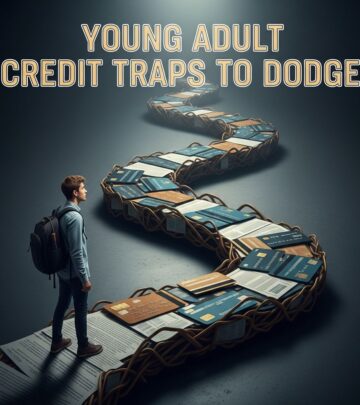
Credit cards offer convenience and credit-building potential, but they become a trap when used to fund purchases beyond one’s means. Young consumers frequently charge big-ticket items like electronics, furniture, or vacations, only to face crippling interest rates averaging 20-25% or higher.
Melinda Kibler, a certified financial planner, identifies this as the top mistake among young people: “Running up credit-card debt is the biggest mistake I see young people make. The interest rate is so high that it is extremely difficult to dig yourself out. It becomes a vicious cycle.” High-interest debt compounds quickly, diverting income from savings or investments.
- Avoid impulse buys: Implement the 24-hour rule—wait a day before charging non-essentials.
- Pay in full monthly: Treat cards like debit to build credit without interest.
- Track utilization: Keep balances under 30% of limits to protect your score.
Instead of plastic for luxuries, prioritize cash or debit for discretionary spending. This habit prevents the debt snowball that plagues many millennials and Gen Zers entering adulthood.
2. “I’ll save for retirement when I make more money.”
Procrastination on retirement savings is a widespread error. With starting salaries often modest, it’s tempting to defer contributions to 401(k)s or IRAs. However, this overlooks the power of compound interest over decades.
Financial advisor Lyon notes: “When you’re in your 20s, it’s easy to convince yourself that you’ll put money away for retirement when you start making a bigger salary. But what happens is, as your salary increases so does your cost of living.” Lifestyle inflation erodes good intentions, leaving many underprepared by their 40s.
Starting small in your 20s yields massive gains. For instance, contributing $200 monthly at age 25 with 7% annual returns could grow to over $500,000 by 65, versus just $175,000 if starting at 35.
| Age Started | Monthly Contribution | Years to 65 | Projected Value (7% return) |
|---|---|---|---|
| 25 | $200 | 40 | $503,000 |
| 35 | $200 | 30 | $175,000 |
| 45 | $200 | 20 | $65,000 |
Action steps include maxing employer matches—free money!—and automating transfers. Even 5-10% of income jumpstarts growth.
3. “I deserve a few nice things.”
The entitlement mindset skips the austerity phase that built prior generations’ wealth. Today’s 20-somethings, influenced by social media, demand immediate access to homes, cars, and luxuries their parents earned over decades.
Kelley Long, financial planner, observes: “Young people too often borrow against their future earnings to elevate their lifestyle so that it matches the lifestyle they experienced when growing up.” This leads to oversized mortgages, auto loans, and leases mismatched to entry-level paychecks.
Chadwick, CEO of Chadwick Financial Advisors, adds: “Unfortunately, too many young people want the same things that it took their parents 10 or 20 years to get. There is no more delayed gratification.” Instant gratification via debt sacrifices long-term freedom.
- Budget by needs vs. wants: Allocate 50% to necessities, 30% to wants, 20% to savings/debt.
- Embrace starter assets: Opt for used cars under $15,000 and roommates to cut housing costs.
- Track peer influence: Social media distorts reality—focus on personal goals.
Delayed gratification fosters discipline. Ramen-noodle days fund down payments and investments, accelerating financial independence.
4. “I don’t make enough to save for emergencies.”
Dismissing emergency funds as unattainable ignores life’s unpredictability: job loss, repairs, medical issues. Experts recommend 3-6 months of expenses saved, yet many 20-somethings spend every spare dollar on conveniences.
Chadwick emphasizes: “It is essential for young adults to build an emergency fund… A good rule of thumb is for young people to save at least six months of living expenses.” Modern temptations abound—Uber rides, streaming services, delivery apps erode discretionary income.
“There are far more things for people to spend their discretionary income on today,” Chadwick says. A $5 coffee or $10 ride-share daily totals $3,650 yearly—enough for a solid fund starter.
Build yours in a high-yield savings account (currently 4-5% APY). Automate $50-100/paycheck; cut one subscription to accelerate.
5. “Investing is too risky for me right now.”
Fear drives conservative choices or avoidance, missing time in the market—the greatest investor asset. Young adults have 40+ years to recover from dips, yet many park funds in cash or low-yield bonds.
Kibler advises: “Don’t be afraid to take risks when investing. Without that growth, it can be hard to save for retirement. You have to depend on the market even if it can be volatile. When you are young is the best time to put up with that.” Index funds averaging 7-10% historically outperform safety.
- Start with low-cost ETFs: Vanguard S&P 500 tracks market at 0.04% fees.
- Diversify: 80% stocks/20% bonds suits aggressive youth portfolios.
- Ignore noise: Dollar-cost average monthly to mitigate volatility.
Research shows Americans peak in financial recklessness at 22, maturing post-25. Early risk tolerance compounds advantages.
How to Break the Cycle of Financial Recklessness
Beyond avoiding these phrases, adopt proactive strategies:
- Track net worth monthly: Assets minus liabilities reveals progress.
- Seek advice: Free tools from CFP pros or apps like Mint.
- Educate continuously: Read classics like “The Millionaire Next Door.”
Financial advisers agree: Early discipline averts crises. Student debt burdens many, but excuses amplify harm. Commit today—your future self benefits immensely.
Frequently Asked Questions (FAQs)
Q: At what age do Americans peak in financial recklessness?
A: Studies indicate peak recklessness at age 22, with financial maturity after 25.
Q: How much should young adults save for emergencies?
A: Aim for 3-6 months of living expenses in a liquid, high-yield account.
Q: Is it okay to use credit cards in your 20s?
A: Yes, if paid in full monthly to build credit; avoid carrying balances due to high interest.
Q: When should I start retirement investing?
A: Immediately—even small amounts compound powerfully over decades.
Q: What if I can’t afford to save right now?
A: Cut non-essentials like subscriptions; automate micro-savings of $20/paycheck to build momentum.
References
- 5 Things Financially Reckless Young People Say — MoneyRates. 2015-03-20. https://www.moneyrates.com/personal-finance/things-financially-reckless-young-people-say.htm
- 5 Things Financially Reckless Young People Say (PDF Compliance Version) — Fiscal Wisdom (archival). 2015-03-20. https://fiscalwisdom.com/wp-content/uploads/2024/02/5-things-financially-reckless-young-people-say-www.money-rates.com-posted-March-20-2015-Compliance-App.-Mar.-27-2015.pdf
- Average American hit peak ‘financial recklessness’ at 22 — StudyFinds.org. 2023 (approx., recent study). https://studyfinds.org/americans-financial-recklessness/
- Consumer Credit – G.19 (Credit Card Rates) — Federal Reserve Board (.gov primary source). 2025-12 (latest). https://www.federalreserve.gov/releases/g19/current/
- Retirement Savings by Age (Historical Returns Data) — U.S. Department of Labor (.gov). 2024-10-01. https://www.dol.gov/sites/dolgov/files/EBSA/researchers/analysis/retirement/401k-plans-component-totals-by-age-and-account-size.pdf
Similar Articles








Read full bio of medha deb