The Top 10 DIY Jobs Homeowners Should Avoid
Discover the 10 most dangerous DIY home projects that can lead to injury, costly damage, or safety hazards—leave these to professionals.
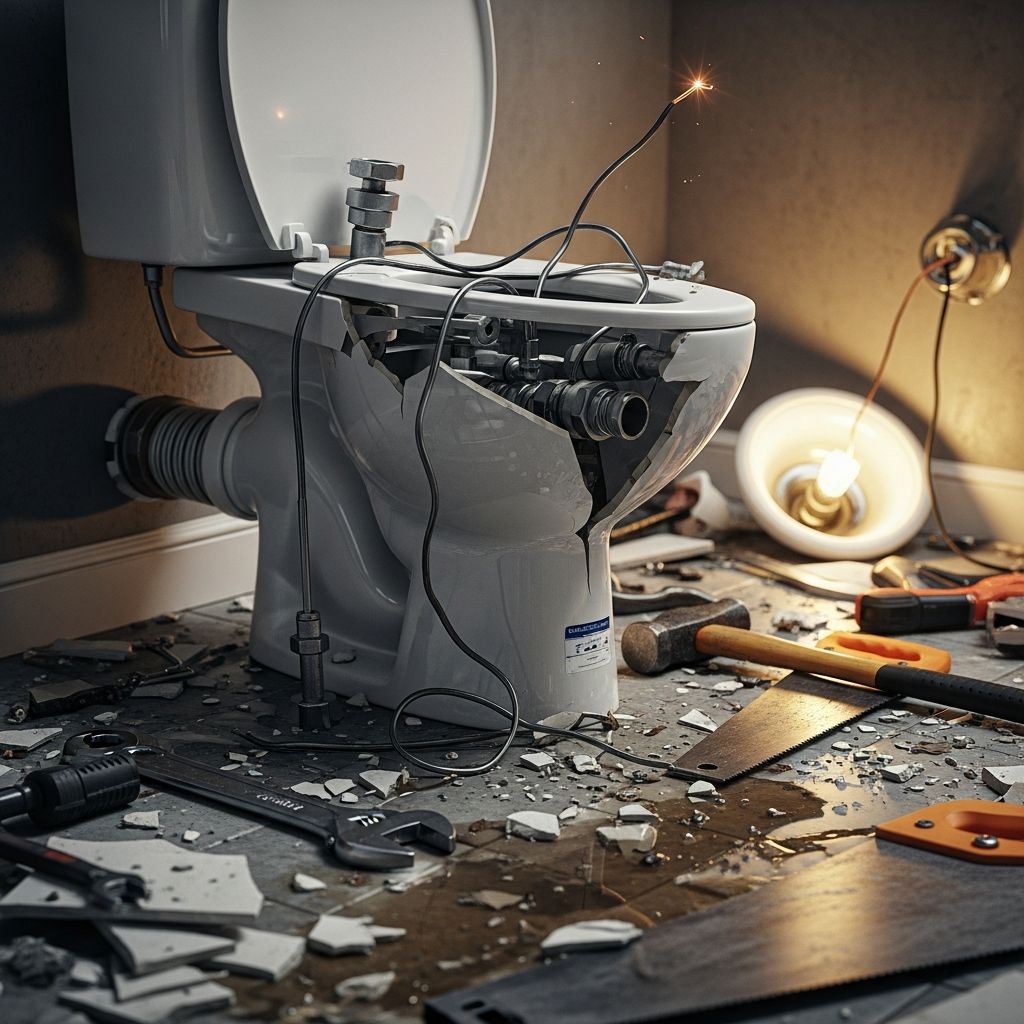
Embarking on do-it-yourself (DIY) home improvement projects can be rewarding, offering a sense of accomplishment and potential cost savings. However, not all tasks are suitable for amateurs. Certain jobs involve significant risks, including personal injury, property damage, legal violations, and voided warranties. This article outlines the top 10 DIY jobs homeowners should avoid, drawing from expert inspections and safety data. By recognizing these hazards, you can protect your home, family, and finances by hiring qualified professionals.
According to home inspectors and safety experts, projects involving heights, electricity, plumbing, and structural changes top the list of dangerous DIY endeavors. Falls from roofs cause thousands of injuries annually, while electrical mishaps lead to fires and electrocutions. Let’s dive into each one.
1. Roof Repair
Roof repairs rank as the most perilous DIY job due to the inherent dangers of working at heights. Homeowners tempted to patch leaks or replace shingles often underestimate the risks of slips, falls, and improper fixes that exacerbate damage. Professional roofers use specialized equipment like harnesses, scaffolding, and ladders, adhering to strict safety protocols.
Amateur attempts frequently result in leaks that cause interior water damage, mold growth, and structural rot. The CDC reports falls as the leading cause of construction worker deaths, a statistic that applies equally to untrained DIYers. Instead of risking life and limb, inspect your roof visually from the ground and call a certified roofer for any repairs. Regular maintenance by pros can extend your roof’s lifespan by years.
- Key Risks: Falls, further leaks, voided warranties.
- Pro Tip: Schedule annual inspections to catch issues early.
2. Tree Removal
Felling large trees or limbs without professional arborist training is a recipe for disaster. A miscalculated cut can send branches crashing into your home, power lines, or bystanders, causing severe injuries or electrocution. Home inspectors warn that DIY tree work often damages property and creates unsafe conditions.
Proper tree removal requires assessing weight distribution, wind conditions, and escape paths—skills honed over years. Chainsaw injuries alone send over 30,000 people to emergency rooms yearly. Hire ISA-certified arborists equipped with rigging gear and insurance to handle this safely.
- Common Mistakes: Ignoring lean direction, improper notching.
- Cost Savings Myth: DIY tools and cleanup often exceed pro fees.
3. Structural Improvements
Projects like removing load-bearing walls or adding decks/porches demand engineering expertise. DIYers frequently fail to identify structural elements, leading to sagging floors, cracked foundations, and collapses. Building codes require permits and inspections for these changes, which amateurs often skip.
Decks, in particular, are notorious for improper ledger board attachments to homes, causing detachment under weight. Consult a structural engineer before any modifications; pros ensure stability and compliance, preventing future lawsuits or resale issues.
| DIY Structural Error | Consequence | Pro Solution |
|---|---|---|
| Weak foundation | Sinking deck | Engineered footings |
| No permits | Fines, demolition | Code-compliant plans |
| Wrong fasteners | Collapse risk | Galvanized hardware |
4. Major Plumbing or Electrical Work
Electrical repairs and major plumbing overhauls top the list of no-go DIY zones. Rewiring outlets, panels, or installing fixtures risks electrocution, fires, and code violations. Plumbing mishaps cause floods, mold, and foundation erosion.
Only licensed electricians and plumbers can certify work legally. DIY electrical often fails inspections, complicating home sales. For plumbing, issues like improper venting lead to sewer gas backups. Simple tasks like faucet swaps are fine, but anything involving pipes, wires, or panels requires pros.
- Electrical Dangers: Shocks, arc faults.
- Plumbing Pitfalls: Hidden leaks, pressure issues.
5. Installing New Windows
Window installation seems straightforward but involves precise measurements, flashing, and sealing to prevent water intrusion. DIY errors lead to drafts, leaks, and rot around frames. Energy-efficient windows require proper insulation to maintain ratings.
Professionals use laser levels and manufacturer-specific techniques, ensuring warranties remain valid. Poor installs can cost thousands in repairs. Opt for certified installers from reputable companies.
6. Attic Insulation
Adding attic insulation without addressing ventilation or safety hazards like asbestos is risky. Improper installation causes moisture buildup, mold, and reduced insulation effectiveness. Exposed wiring or ducts can be damaged, sparking fires.
Pros perform energy audits and use protective gear. Check for hazards first via inspection; DIY only blown-in cellulose if experienced.
7. Replacing a Roof
Full roof replacements amplify repair dangers on a larger scale. Coordinating underlayment, shingles, and venting requires teams and cranes for heavy materials. DIY attempts often result in uneven surfaces and premature failure.
Falls remain the primary threat; pros carry insurance against accidents. Get multiple quotes and verify licensing.
8. Foundation Work
Cracks or settling foundations signal serious issues needing hydraulic piers or underpinning. DIY patches like epoxy injections are temporary and fail under pressure, worsening damage.
Engineers assess soil, drainage, and loads. Ignoring this can lead to total rebuilds costing six figures.
9. Asbestos or Lead Paint Removal
Homes built pre-1978 often contain asbestos or lead paint. Disturbing these releases fibers or dust causing cancer and neurological damage. EPA mandates certified abatement.
Test samples first via labs; never sand or scrape DIY. Pros use HEPA vacuums and containment.
10. Gas Line Repairs
Gas leaks from DIY fixes invite explosions or carbon monoxide poisoning. Even ‘simple’ connections require pressure testing and certifications.
Evacuate and call licensed plumbers immediately. Pros use detectors and follow codes.
Why These DIY Jobs Are Risky: A Summary Table
| Project | Primary Risk | Annual Incidents (Est.) |
|---|---|---|
| Roof Work | Falls | Thousands |
| Electrical | Fires/Shocks | High |
| Plumbing | Floods/Mold | Common |
| Structural | Collapse | Serious |
Frequently Asked Questions (FAQs)
What should I do instead of DIY roof repair?
Inspect from ground level and hire a licensed roofer with insurance. Regular checks prevent major issues.
Is changing a light fixture safe DIY?
Yes, if power is off and you’re comfortable, but consult an electrician for wiring doubts.
How do I find qualified pros?
Use licensed, insured contractors via Angie’s List or local directories; check reviews and references.
Do permits matter for small jobs?
Always; skipping voids insurance and affects resale.
Can DIY save money long-term?
Often no—mistakes cost more to fix than pro fees initially.
Final Thoughts on Safe Home Improvement
While DIY suits painting or minor fixes, the top 10 listed demand expertise. Prioritize safety, codes, and warranties by hiring pros. Your home’s value and your well-being depend on it. Invest wisely for lasting results.
References
- The 13 Most Hazardous Homeowner DIY Trends — This Old House. 2023. https://www.thisoldhouse.com/home-safety/dangers-of-diy
- 10 Home Improvement DIY Projects You Should Never Attempt Yourself — Artisan Contracting. 2024-05-06. https://www.artisan-contracting.ca/blog/10-home-improvement-diy-projects-you-should-never-attempt-yourself/
- Don’t Hammer At Your Own Risk: DIY Projects You Should Never Do — Realtor.com. N/A. https://www.realtor.com/advice/home-improvement/diy-projects-to-avoid/
- The Top 10 DIY Jobs Homeowners Should Avoid — Wise Bread. N/A. https://www.wisebread.com/the-top-10-diy-jobs-homeowners-should-avoid
Similar Articles








Read full bio of Sneha Tete