The Pros and Cons of Paying Off Your Debt Early
Discover the advantages and pitfalls of accelerating debt repayment to make informed financial choices for your future.
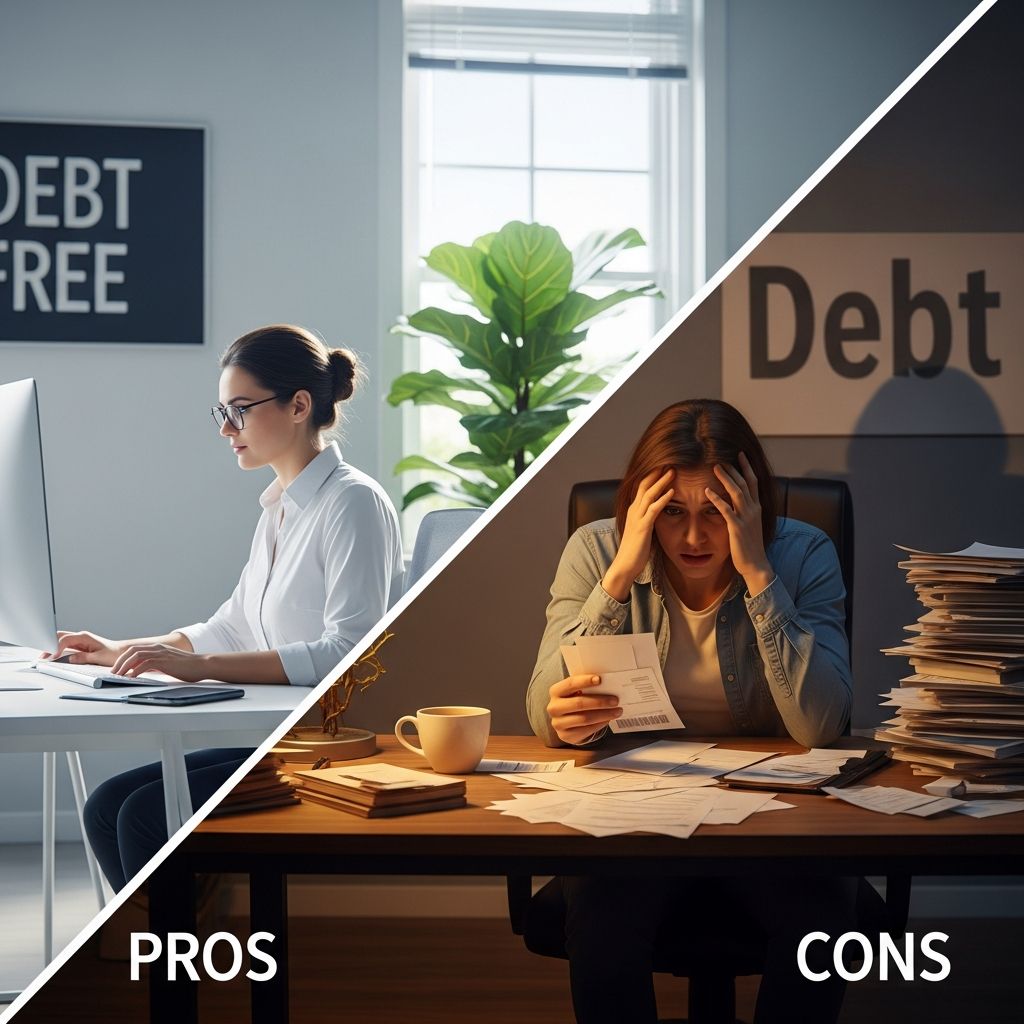
Paying off debt ahead of schedule can feel liberating, but it’s not always straightforward. While it promises financial freedom, hidden costs and credit implications might complicate the decision. This article breaks down the key advantages and disadvantages to help you decide if early payoff aligns with your goals.
Pros of Paying Off Debt Early
Accelerating debt repayment offers several compelling benefits that can strengthen your financial position over time.
Save Money on Interest
The most significant advantage is reducing total interest paid. By shortening the loan term, you avoid future interest charges. For instance, on a $30,000 personal loan at 10% interest with three years left after paying $10,000, early payoff of the remaining $20,000 could save approximately $6,000 in interest. Similarly, adding $150 monthly to a $15,000 loan at 10% APR over five years could save over $1,600 and repay it in three years.
Reduce Debt-to-Income Ratio (DTI)
Eliminating payments lowers your DTI, the percentage of income used for debt, making you more attractive to lenders for future borrowing like mortgages. This metric is crucial for loan approvals.
Free Up Monthly Budget
Once debt is cleared, monthly payments vanish, freeing cash for savings, investments, or lifestyle improvements. This shift provides long-term flexibility, especially after short-term sacrifices.
Stress Relief and Peace of Mind
Debt burdens weigh heavily on mental health. Paying off early eliminates ongoing worries, bringing financial peace closer and reducing stress associated with owed money.
Potential Credit Score Boost
Lowering credit utilization and owed amounts can improve your score, particularly for revolving debt, though installment loans vary.
Cons of Paying Off Debt Early
Despite the upsides, early repayment isn’t without risks that could undermine your financial strategy.
Prepayment Penalties
Some loans charge fees to compensate lenders for lost interest, often a percentage of the remaining balance. Always review your agreement; not all lenders impose these, like LendingClub.
Negative Impact on Credit Score
Paying off installment loans can shorten credit history length and reduce credit mix diversity, potentially lowering scores temporarily. Credit models may view you as less creditworthy without active accounts. Factors affected include payment history, amounts owed, credit age, and mix.
Less Liquidity and Short-Term Cash Flow Issues
Diverting funds to debt reduces emergency savings or discretionary spending, creating cash shortages. This might strain budgets, forcing cuts in essentials or entertainment.
Opportunity Cost of Better Investments
Money used for payoff could earn higher returns elsewhere, like high-yield savings or stocks, especially if debt rates are low. Prioritize high-interest debts first.
Limited Interest Savings on Certain Loans
For mortgages or precomputed interest auto loans, most interest is front-loaded, so late-term payoffs save little. Refinancing might be better.
Types of Debt and Early Payoff Considerations
Not all debts are equal; strategy varies by type.
- Credit Cards: High rates (often 20%+) make early payoff ideal for maximum savings.
- Personal Loans: Check for penalties; most allow prepayments without fees.
- Auto Loans: Weigh penalties vs. savings; refinancing often superior.
- Mortgages: Low rates may favor investing over payoff.
- 0% Interest Loans: Pay minimums to build credit; payoff boosts utilization but consider future cash flow.
Strategies for Paying Off Debt Early
If pros outweigh cons, use these methods:
| Method | Description | Best For |
|---|---|---|
| Debt Snowball | Pay smallest debts first for motivation. | Behavioral change. |
| Debt Avalanche | Target highest interest first. | Maximum savings. |
| Lump Sum | Use windfalls like bonuses. | Large balances. |
| Extra Payments | Add to principal monthly. | Steady progress. |
Automate extras toward principal and confirm with lender.
Frequently Asked Questions (FAQs)
Q: Does paying off a loan early always improve my credit score?
A: Not always; it lowers utilization but may shorten history or mix, causing temporary dips.
Q: Are prepayment penalties common?
A: Less so now, but check terms; many like LendingClub waive them.
Q: Should I pay off low-interest debt early?
A: Consider alternatives like investing if returns exceed rate.
Q: How does early payoff affect DTI?
A: Positively, by eliminating payments, improving loan eligibility.
Q: Is it better to save or pay debt?
A: Depends on rates; high debt first, then build emergency fund.
Is Early Payoff Right for You?
Assess your situation: high-interest debt? Yes. Low rates, need liquidity? Maybe not. Calculate savings vs. costs using loan calculators. Most cases favor payoff if no penalties and affordable. Build emergency fund first for safety.
Early payoff demands discipline but yields freedom. Review terms, prioritize high-cost debt, balance with savings.
References
- The Pros and Cons of Paying Off a Personal Loan Early — LendingClub. 2025. https://www.lendingclub.com/resource-center/personal-loan/the-pros-and-cons-of-paying-off-a-personal-loan-early
- Paying Off Debt Early: Pros and Cons — Nevada State Bank. 2022-11-01. https://www.nsbank.com/personal/community/two-cents-blog/2022-11-01-paying-off-debt-early/
- Is it worth it to pay off a personal loan early? — Fortune. 2025-12-11. https://fortune.com/article/pay-off-personal-loan-early/
- Should You Pay Off Your Auto Loan Early? The Pros and Cons — Ouachita Valley FCU. N/A. https://ouachitavalleyfcu.org/blog/should-you-pay-off-your-auto-loan-early-the-pros-and-cons
- The Pros and Cons of Paying Off Your Loans Early — Waukesha Bank. N/A. https://www.waukeshabank.com/the-pros-and-cons-of-paying-off-your-loans-early
- Pros and cons of paying off loans in full versus monthly — Michigan State University Extension. N/A. https://www.canr.msu.edu/news/pros_and_cons_of_paying_off_loans_in_full_versus_monthly
Similar Articles








Read full bio of Sneha Tete