The Pink Tax: How It Raises Costs For Women
Understand what the pink tax is, how it affects women’s money, and practical strategies to reduce its impact on your everyday budget.
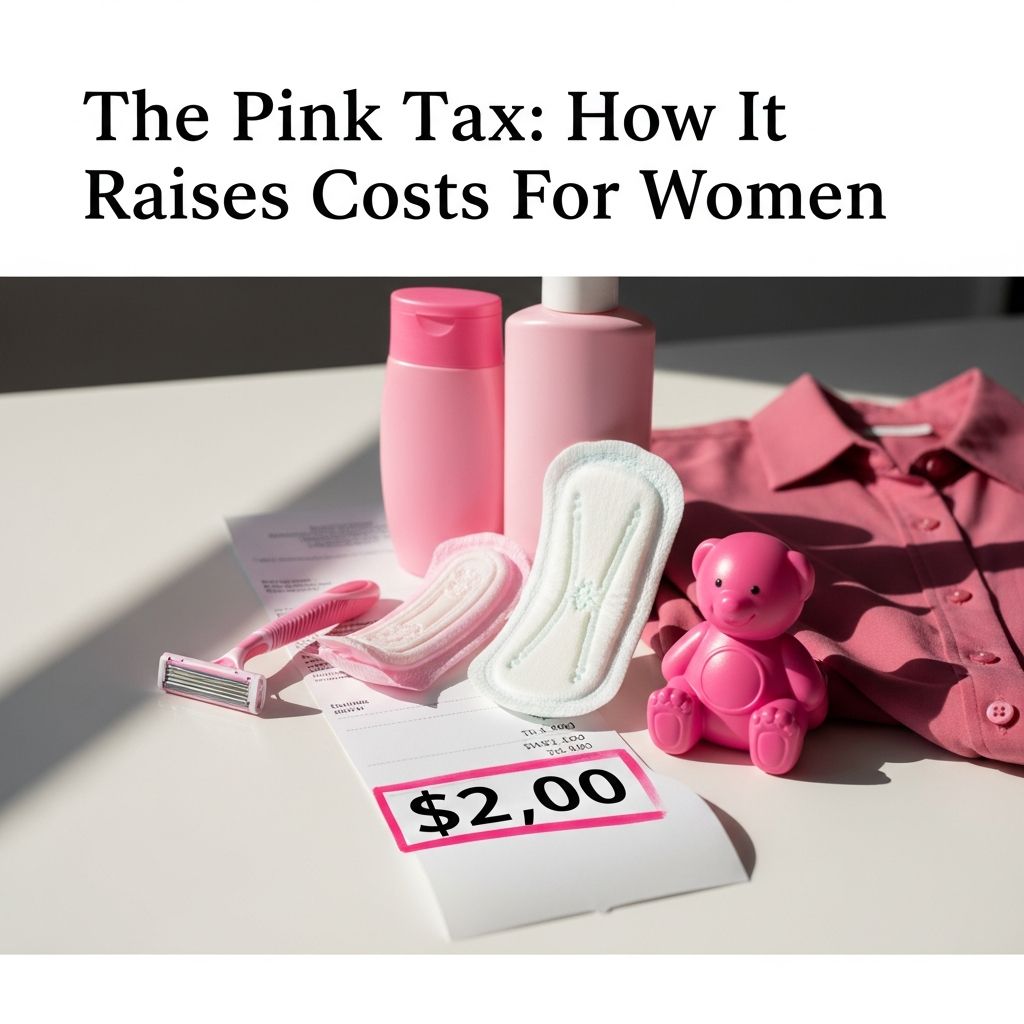
The cost of being a woman can quietly be higher than being a man, even when you are buying almost the same products and services. This hidden penalty is often called the pink tax — and it can drain thousands of dollars over a lifetime.
Understanding how the pink tax works, where it shows up, and how to keep more of your money is an important step toward building long-term financial security and closing gender gaps in wealth.
What Is The Pink Tax?
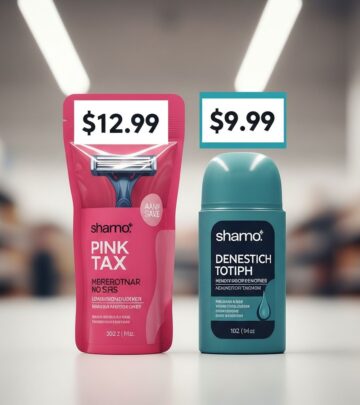
The pink tax is a term used to describe situations where products and services marketed to women cost more than substantially similar items marketed to men. This is not a literal government tax; it is a form of gender-based price disparity in the marketplace.
It affects many everyday categories, including:
- Personal care products, such as razors, shampoo, and deodorant
- Clothing and accessories, from children’s wear to adult apparel
- Services like haircuts, dry cleaning, and sometimes car repairs
- Health and hygiene items, including menstrual products (often also subject to sales tax)
Because these costs show up repeatedly over many years, they can significantly reduce women’s overall financial progress.
How The Pink Tax Shows Up In Everyday Life
The pink tax is not limited to one product line. It appears across a wide range of items women and girls use from childhood through retirement.
Personal Care And Hygiene Products
Studies and government investigations have found that women’s personal care products often cost more than men’s versions, even when the formulations and sizes are effectively the same.
- Razors and replacement blades designed or colored for women
- Deodorant and body wash marketed with “feminine” scents
- Shampoos, conditioners, and lotions packaged for women
One widely cited analysis found that women’s products cost on average 7% more than similar men’s products, with personal care items among the categories with the biggest differences.
Clothing And Children’s Products
The pink tax starts early. Research has documented price differences between products aimed at boys and girls, including:
- Toys and children’s accessories, where girls’ items can be more expensive than similar products for boys
- School uniforms and clothing, with girls’ uniforms sometimes priced higher than boys’ despite similar materials and construction
For adults, women often pay more for comparable clothing and sometimes even for the same type of garments (such as basic T-shirts or jeans) when labeled and marketed as women’s items.
Services: Haircuts, Dry Cleaning, And More
The pink tax also appears in service industries. Public and consumer agency investigations have repeatedly found examples such as:
- Haircuts: Short women’s cuts costing more than similar men’s cuts
- Dry cleaning: Women’s shirts or blouses priced higher than men’s shirts, even with similar fabrics and cleaning processes
- Car repairs or services: Some studies suggest women may be quoted higher prices, especially when they are perceived as less knowledgeable
These price gaps may be explained by business policies, perceived complexity, or simple habit, but the result is that women often pay more to maintain the same standard of appearance and service.
The “Tampon Tax” And Menstrual Products
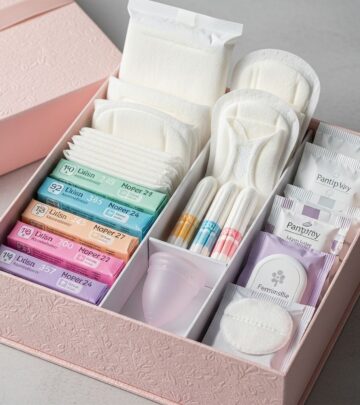
On top of pink tax pricing, many regions impose a standard sales tax on menstrual products such as pads and tampons — sometimes called the “tampon tax”. These are medically necessary items, but they are not always treated as essential or tax-exempt.
Research shows that taxing these products contributes to “period poverty,” making it harder for some women and girls to afford basic hygiene supplies. While a growing number of jurisdictions are eliminating the tampon tax, it still exists in many places.
How Much Does The Pink Tax Cost Women?
The pink tax may appear small on a single receipt, but it adds up over time. Multiple analyses have tried to estimate this impact.
| Measure | Estimated Impact | Source / Notes |
|---|---|---|
| Average product price difference | Women’s versions cost about 7% more on average | Analysis of multiple consumer categories (clothing, personal care, etc.) |
| Annual extra cost | Around $1,300 per year for women in the U.S. | Estimate includes products and services across life stages |
| Lifetime effect (compounded with wage gap) | Contributes to a significant loss of purchasing power and wealth over a lifetime | Pink tax plus gender pay gap and caregiving breaks |
At the same time, women typically earn less than men on average. Analysis for the U.S. Congress has found that the gender pay gap can cost a typical woman approximately $10,000 per year and close to $500,000 over a lifetime in lost earnings. Paying higher prices on top of lower earnings makes it harder to save, invest, and build wealth.
Why Does The Pink Tax Exist?
There is no single cause behind the pink tax. Researchers and policymakers point to several overlapping factors.
- Market segmentation and branding: Companies design and package products differently for men and women, then set distinct price points based on perceived willingness to pay.
- Consumer expectations and social norms: Cultural expectations about women’s appearance, grooming, and caregiving roles can encourage higher spending on certain products and services.
- Production or design differences: Some goods may have legitimate cost differences (for example, extra tailoring in clothing), but this does not fully explain the consistent pattern of higher prices for women’s versions across many categories.
- Lack of price transparency: Consumers may not notice small price differences between “his” and “hers” products on a shelf, especially when branding differs significantly.
Researchers also use the term “pinkflation” to describe periods when prices for women-focused products rise faster than other goods, further increasing women’s cost of living during inflationary times.
Legal And Policy Responses To The Pink Tax
Because the pink tax raises concerns about fairness and consumer protection, some governments have taken steps to limit or ban gender-based pricing.
State-Level Action (Example: California)
California provides a clear example of legislative action. Under AB 1287, gender-based price differences for “substantially similar” consumer products are now illegal in the state.
According to the California Attorney General, the law targets situations where:
- Two products are similar in function, use, and materials
- They are intended for different genders
- The women’s or girls’ version is priced higher without a valid cost-based justification
California previously banned gender-based pricing in some services (like certain types of haircuts and dry cleaning), and AB 1287 extends these protections to a broader range of consumer products.
Tax Exemptions For Menstrual Products
Many advocates have focused on eliminating the so-called tampon tax by classifying menstrual products as necessities and exempting them from sales tax.
Several U.S. states and countries worldwide have removed or reduced taxes on these items, recognizing that taxing a product only women and some trans and nonbinary people need is inherently unequal.
Ongoing Debates And Proposed Solutions
Policy experts and gender equality advocates continue to debate the best tools to address the pink tax, including:
- Stronger consumer protection laws that ban unjustified gender-based price differences
- Enhanced enforcement and transparency requirements for pricing
- Tax code reforms, such as deductions or credits for certain necessary products that women disproportionately purchase
While these measures can help reduce the financial burden, individual action and awareness remain important in the meantime.
How To Reduce The Impact Of The Pink Tax On Your Budget
You cannot control how companies set their prices, but you can make informed choices to minimize how much extra you pay. Consider the following strategies.
1. Compare “His” And “Hers” Products
When you see gender-specific products, compare the labels and unit prices carefully:
- Check the active ingredients, size, and performance claims
- Look at the unit price (price per ounce, per sheet, or per count) rather than the sticker price
- Buy the lower-priced option if it meets your needs, even if it is marketed to another gender
Many women save money by purchasing “men’s” razors, deodorant, or basic T-shirts when the quality is similar but the price is lower.
2. Seek Gender-Neutral Options
When possible, choose products and services that are not marketed by gender at all. Examples include:
- Fragrance-free or unisex personal care products
- Gender-neutral children’s toys and clothing
- Salons and barbershops that price by hair length or time, not by gender
Businesses that use gender-neutral pricing often state their policies clearly, which can help you avoid hidden costs.
3. Speak Up And Ask About Pricing
If you notice a price difference for similar items, ask for clarification. In some cases, a business may:
- Offer the lower price when you point out the discrepancy
- Explain genuine cost differences (for example, intricate tailoring or materials)
- Reevaluate their pricing structure if multiple customers raise concerns
In places where gender-based price differences are illegal, you may also be able to report problematic pricing to consumer protection agencies.
4. Budget With The Pink Tax In Mind
Because some price differences are hard to avoid, it helps to build them into your financial plan:
- Track regular expenses for personal care, clothing, and services
- Set a realistic monthly or annual budget for these categories
- Look for opportunities to reduce frequency (such as stretching time between services) or switch to more affordable alternatives
Combining mindful spending with long-term planning (like investing and building an emergency fund) can help offset some of the financial disadvantages women face.
5. Support Policy And Business Changes
Beyond personal choices, broader change can reduce pink tax costs for everyone. You can:
- Support brands that use gender-neutral or transparent pricing
- Back campaigns calling for the end of the tampon tax and gender-based pricing
- Stay informed about local laws and participate in public comment or advocacy efforts
Collective action can encourage more companies and governments to move toward fairer pricing practices.
The Pink Tax And Your Long-Term Financial Goals
The pink tax does more than increase day-to-day expenses. Combined with the gender pay gap and the fact that women more often take time out of the workforce for caregiving, these price differences can compound into a significant long-term disadvantage.
Over time, paying more for essentials means:
- Less money available to put toward savings and investments
- Greater difficulty building emergency and retirement funds
- Higher risk of financial stress and vulnerability during life transitions
By understanding where the pink tax appears and taking steps to limit its impact, you can redirect those extra dollars toward your own priorities: debt repayment, education, investing, and long-term financial independence.
Frequently Asked Questions (FAQs)
Q: Is the pink tax an actual government tax?
No. The pink tax is not a formal government tax. It is a term for the higher prices women often pay for products and services compared with similar items marketed to men.
Q: How is the pink tax different from the tampon tax?
The pink tax refers broadly to higher prices on products and services marketed to women. The tampon tax specifically refers to sales tax charged on menstrual products, which many consider essential health items.
Q: Does the pink tax affect all women equally?
No. The pink tax can hit lower-income women and women of color harder because they are more likely to earn less and have fewer resources to absorb higher costs. When combined with the wage gap, the burden is often greater for these groups.
Q: Are companies legally allowed to charge women more?
In many places, companies can still set their own prices, but some jurisdictions, such as California under AB 1287, prohibit gender-based price differences for substantially similar products. Service pricing based on gender is also restricted in some regions.
Q: What is the most effective way to avoid the pink tax?
The most effective strategies include comparing men’s and women’s versions of products, choosing gender-neutral options, and supporting businesses and policies that use fair, transparent pricing. Over time, these choices can reduce your costs and encourage broader change.
References
- Pink tax — Wikipedia (summary of concept; underlying sources include government and consumer studies). 2024-03-15. https://en.wikipedia.org/wiki/Pink_tax
- The Pink Tax: Understanding Its Costs, Impact, and Legal Protections — Taxfully. 2023-08-10. https://taxfully.com/the-pink-tax-understanding-its-costs-impact-and-legal-protections/
- Understanding the Pink Tax and Pinkflation — BSI Economics. 2023-06-01. https://bsi-economics.org/understanding-the-pink-tax-and-pinkflation-note/
- AB 1287 – California’s Pink Tax Law — California Office of the Attorney General. 2023-01-01. https://oag.ca.gov/ab1287
- The Pink Tax: How Gender-Based Pricing Hurts Women’s Buying Power — U.S. Congress Joint Economic Committee. 2016-12-08. https://www.jec.senate.gov/public/_cache/files/8a42df04-8b6d-4949-b20b-6f40a326db9e/the-pink-tax—how-gender-based-pricing-hurts-women-s-buying-power.pdf
- The Pink Tax: History, Impact and Why It Matters — JPMorgan Chase Bank. 2022-05-18. https://www.chase.com/personal/investments/learning-and-insights/article/the-problematic-pink-tax
- What is the ‘pink tax’ and how does it hinder women? — World Economic Forum. 2022-07-18. https://www.weforum.org/stories/2022/07/what-is-the-pink-tax-and-how-does-it-hinder-women/
Similar Articles








Read full bio of Sneha Tete