The One Question You Should Ask Before Every Major Purchase
Discover the single powerful question that can transform your buying decisions and protect your finances from regretful splurges.

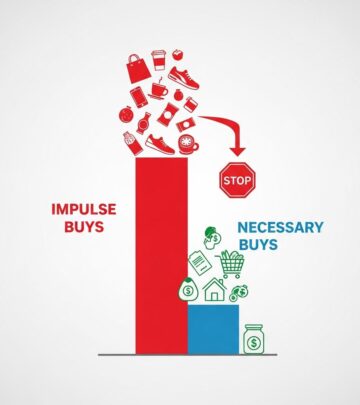
Making a major purchase can be exciting, but it often comes with significant financial implications. Whether it’s a new car, home appliance, or vacation, impulse can lead to regret. The one question you must ask is: “Do I need it now?” This simple query forces pause, evaluation of urgency, and consideration of alternatives, saving money and stress in the long run.
Why This Question Matters
Big purchases—typically anything exceeding one month’s income—impact your budget profoundly. They include homes, cars, appliances, renovations, or education funding. Without reflection, you risk debt, depleted savings, or opportunity costs. Asking “Do I need it now?” filters out non-essentials, aligns spending with priorities, and promotes financial health.
Research shows impulsive buying leads to 40% of regrets in consumer spending. By delaying gratification, you open doors to better deals, improved options, or realizing the ‘need’ was temporary.
Defining a Major Purchase
A major purchase is subjective, based on income, savings, and debt. Generally, it’s anything over one month’s salary requiring upfront cash, loans, or financing. Common examples:
- Homes and mortgages
- Vehicles (new or used)
- Home renovations or major appliances
- College tuition or education costs
- Dream vacations or weddings
- Electronics like computers or TVs
These often carry hidden costs beyond the sticker price, amplifying their impact.
Step 1: Evaluate Your Financial Situation
Before proceeding, review your finances thoroughly. Check bank statements for savings, average balances, and fluctuations. Assess debt-to-income ratio and emergency fund status. Can you afford this without compromising security?
| Financial Check | What to Review | Red Flags |
|---|---|---|
| Savings | Current balance vs. 3-6 months expenses | Less than 3 months’ coverage |
| Debt | Total debt payments vs. income | Over 36% of take-home pay |
| Cash Flow | Monthly income minus expenses | Negative or under $500 surplus |
If any red flags appear, reconsider or delay.
Step 2: Understand the True Cost
The listed price is just the start. Factor in ownership costs:
- Cars: Insurance (up 20-30% for new models), fuel, maintenance (average $9,000 over 5 years).
- Homes: Property taxes (1-2% of value annually), utilities, repairs (1% of value yearly), HOA fees.
- Appliances: Installation, energy bills, warranties.
Use total cost of ownership calculators. For instance, a $30,000 car might cost $45,000 over 5 years.
Step 3: Research Thoroughly
In the digital age, comparison is effortless. Spend time online comparing prices, reviews, and specs. Check for upcoming models—older versions drop 20-30% in price.
- Read consumer reports from trusted sites.
- Verify seller ratings and return policies.
- Look for energy efficiency or durability ratings.
Question: Does this require add-ons? Avoid products needing constant upgrades.
Step 4: Consider Quality vs. Price
Cheaper isn’t always better. For durables like cars or appliances, higher upfront cost often means lower lifetime expense. A $500 fridge lasting 10 years beats a $300 one needing replacement in 5.
Research reliability: Energy Star ratings for appliances, J.D. Power for cars. Investing more now saves later.
Step 5: Explore Financing Wisely
If borrowing, shop rates. Options include:
| Option | Pros | Cons | Best For |
|---|---|---|---|
| Cash | No interest, full ownership | Depletes savings | Urgent needs |
| Credit Card | Rewards, protections | High interest (20%+ APR) | Short-term payoff |
| Personal Loan | Fixed rates (6-36% APR) | Fees | Unsecured needs |
| Home Equity | Low rates (4-8% APR) | Risks home | Homeowners |
Consult experts; pay off quickly to avoid interest traps.
Additional Questions to Ask
Beyond “Do I need it now?”, consider these from consumer wisdom:
- Can I afford it without debt?
- Will I use it in 6-12 months?
- Is there a simpler/cheaper alternative?
- Does it align with my values/goals?
- Have I shopped around sufficiently?
These ensure thoughtful buying.
Real-Life Examples
Car Purchase: Needed now? If current car runs, wait for year-end deals. True cost: $500/month including insurance/gas. Financed at 4% vs. 0% promo.
Appliance: Washer breaks—repair ($200) vs. new ($800)? Research shows quality models last longer.
Vacation: Dream trip—save targeted fund instead of credit.
Long-Term Benefits
Adopting this habit builds wealth. Studies show deliberate spenders have 25% more savings. Reduces buyer’s remorse, improves satisfaction.
Frequently Asked Questions (FAQs)
Q: What counts as a ‘major’ purchase?
A: Generally, anything over one month’s income or requiring financing, like cars over $20,000 or appliances over $500, depending on your budget.
Q: How long should I wait after asking ‘Do I need it now?’
A: At least 24-48 hours for reflection; longer (1-4 weeks) for non-essentials to confirm urgency.
Q: Is financing ever okay?
A: Yes, if rates are low, terms short, and it fits budget without straining cash flow.
Q: How do hidden costs add up for a home?
A: Expect 1-4% of value annually in taxes, maintenance, insurance—budget accordingly.
Q: What if I still want it after waiting?
A: Re-evaluate with full research; if yes, proceed confidently.
Conclusion: Empower Your Wallet
Mastering “Do I need it now?” alongside planning transforms spending. Enjoy purchases without regret, build security, and achieve goals. Start today.
References
- 5 Things to Consider Before Making a Big Purchase — Utah First Credit Union. 2017-11-02. https://utahfirst.com/5-things-consider-making-big-purchase/
- Financial Planning Guide For Big Purchases — Ameris Bank. 2023-10-15. https://www.amerisbank.com/Personal/Learn/Financial-Articles-Advice/Managing-Your-Money/Financial-Planning-Guide-For-Big-Purchases
- Consumer Consciousness: Questions to Ask Before You Buy — Wise Bread. 2010-06-12. https://www.wisebread.com/consumer-consciousness-questions-to-ask-before-you-buy
- The One Question You Should Ask Before Every Major Purchase — Wise Bread. 2012-04-18. https://www.wisebread.com/the-one-question-you-should-ask-before-every-major-purchase
- 8 Questions to Always Ask Yourself Before Making a Big Purchase — Wise Bread. 2011-09-05. https://www.wisebread.com/8-questions-to-always-ask-yourself-before-making-a-big-purchase
Similar Articles








Read full bio of medha deb