Home Closing Guide: Step-By-Step Checklist For Buyers
Navigate the final stages of buying a home with confidence through this detailed overview of the closing process and key responsibilities.

Closing on a property marks the exciting culmination of the homebuying journey, where legal ownership transfers from seller to buyer amid a series of paperwork, payments, and verifications. This process typically spans 30 to 60 days after signing the purchase agreement, involving coordination among lenders, title companies, and real estate professionals to ensure all conditions are met.
Why Closing Matters in Real Estate Transactions
The closing phase safeguards interests on both sides by confirming clear property title, resolving financial obligations, and documenting the sale. For buyers, it verifies no hidden liens exist and that the home matches the contract. Sellers benefit by securing payment and handing off future liabilities. Delays can arise from title issues, inspection findings, or financing hurdles, underscoring the need for proactive preparation.
Building a Strong Foundation Before Closing Day
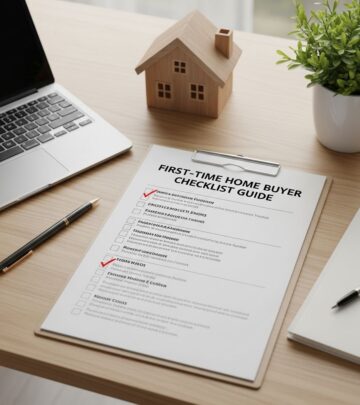
Success at closing begins weeks earlier with meticulous groundwork. Buyers should secure mortgage approval, schedule inspections, and purchase homeowners insurance. Sellers must address any repair requests and prepare disclosures about the property’s condition. Key pre-closing actions include:
- Completing a professional home inspection to uncover structural or system defects.
- Conducting a title search to identify ownership disputes or unpaid taxes.
- Reviewing the seller’s disclosure statement for known issues.
- Finalizing loan underwriting by submitting financial documents.
- Arranging for utilities transfer and any agreed-upon repairs.
These steps minimize surprises. For instance, if an inspection reveals problems, negotiations might lead to seller credits or price adjustments, potentially extending the timeline.
Key Timelines and Factors Influencing Duration
Most closings occur 30-45 days post-contract, though complex deals can stretch to 90 days. Regional variations play a role: some states require attorney involvement, adding time, while others use title companies for efficiency. Buyer readiness, such as prompt document submission, accelerates the process. A table below outlines typical phases:
| Phase | Duration | Main Activities |
|---|---|---|
| Contract to Inspection | 7-14 days | Inspections, appraisals, initial underwriting |
| Underwriting Review | 10-20 days | Document verification, title search |
| Pre-Closing Prep | 5-10 days | Closing disclosure review, final walkthrough |
| Closing Day | 1-2 hours | Signing, payments |
Factors like government-backed loans may shorten down payment requirements but extend reviews.
On Closing Day: What to Expect Step by Step
Closings usually happen at a title company, attorney’s office, or lender’s location. Participants include buyer, seller, agents, and escrow officers. The session lasts 1-2 hours, focusing on signatures and fund exchanges. Essential items to bring include:
- Government-issued photo ID (driver’s license or passport).
- Proof of homeowners insurance.
- Cashier’s check or wire transfer for down payment and costs (personal checks rarely accepted).
- Copy of the closing disclosure for comparison.
Documents signed include the deed (transferring title), mortgage note (repayment promise), and promissory note. Buyers review the closing disclosure three days prior, detailing fees and terms per federal rules. Payments cover closing costs like title insurance, taxes, and origination fees, often 2-5% of the loan.
Breaking Down Closing Costs and Funding Options
Buyers typically pay most costs, including lender fees, appraisal, and prepaid taxes/insurance into escrow. Sellers cover transfer taxes and agent commissions. Here’s a sample breakdown for a $300,000 home:
| Cost Type | Estimated Amount | Paid By |
|---|---|---|
| Lender Origination Fee | $1,500-$3,000 | Buyer |
| Title Insurance | $1,000-$2,000 | Buyer/Seller |
| Appraisal | $400-$600 | Buyer |
| Property Taxes (prepaid) | Varies | Buyer |
| Agent Commissions | 5-6% of sale | Seller |
Seller concessions can offset buyer expenses, especially in buyer-friendly markets. Lender credits might reduce upfront costs but raise interest rates. Always compare estimates against the final disclosure.
Special Scenarios: Dry Closings and Virtual Options
In a dry closing, documents sign before funds transfer, common in some areas to speed things up—funds wire post-signing. Virtual closings, enabled by e-signatures, gained popularity post-pandemic, allowing remote participation via secure portals. Confirm with your title company if applicable, as state laws vary.
Final Walkthrough: Your Last Property Check
24-48 hours before closing, conduct a walkthrough to verify repairs, cleanliness, and included items like appliances. This protects against last-minute changes, such as unrepaired damage or missing fixtures. Document issues with photos and notify your agent immediately if problems arise.
Life After Closing: Immediate Next Steps
Post-signing, the deed records publicly, keys hand over, and funds disburse to the seller (often next day). Buyers update utilities, change locks, and monitor escrow for tax/insurance payments. Sellers confirm proceeds and file taxes on capital gains. Both parties retain copies of all documents for records.
Common Pitfalls and How to Avoid Them
Avoid delays by responding promptly to lender requests and double-checking funds availability. Title clouds from old liens require resolution via quiet title actions. Budget extra for surprises—10% over estimated costs. Hiring a real estate attorney provides peace of mind, especially for first-timers.
Frequently Asked Questions (FAQs)
What if closing costs exceed my estimate?
Review the closing disclosure; negotiate seller credits or shop lenders earlier. Federal law mandates three-day review.
Can I back out before closing?
Yes, during contingency periods (inspection, appraisal), but post-final approval, you risk losing earnest money.
Who attends the closing?
Buyers, sellers, agents, title reps; attorneys if required locally.
How soon after closing do I get the keys?
Immediately upon funding confirmation, often same day.
Are personal checks accepted at closing?
Rarely; use cashier’s checks or wires for security.
This guide equips you to approach closing informed and prepared, turning potential stress into a milestone celebration.
References
- The Closing Process: A Guide for Home Buyers and Sellers — AARE. 2023. https://aare.com/the-closing-process-a-guide-for-home-buyers-and-sellers/
- What To Expect At A Real Estate Closing — Bankrate. 2025-01-15. https://www.bankrate.com/mortgages/understanding-the-closing-process/
- Closing on a house: Your step-by-step guide — Rocket Mortgage. 2025. https://www.rocketmortgage.com/learn/closing-on-a-house
- What to expect at closing — Freddie Mac. 2024-06-01. https://myhome.freddiemac.com/buying/closing-your-loan-when-buying
- Closing on your new home — Consumer Financial Protection Bureau. 2025-02-01. https://www.consumerfinance.gov/owning-a-home/close/
- How Does Closing on a House Work? — Zillow. 2024. https://www.zillow.com/learn/real-estate-closing/
- Closing Time: 6 Steps Every Homebuyer Should Expect — Old Republic Title. 2023-11-20. https://www.oldrepublictitle.com/blog/closing-time/
Similar Articles








Read full bio of Sneha Tete