Sloppy Banking Habits: How To Stop $360+ In Annual Fees
Discover how poor banking practices like frequent overdrafts and neglecting records lead to hefty fees, bank disputes, and unnecessary financial stress.
Sloppy banking habits, such as frequent overdrafts, neglecting to balance accounts, and poor record-keeping, can cost consumers hundreds of dollars annually in fees and lead to ongoing conflicts with banks. A survey by MoneyRates.com of 2,000 American adults reveals that those with shaky financial practices are far more likely to experience disputes, switch banks repeatedly, and incur avoidable charges like the average $30.82 overdraft fee.
Do You Hate Your Bank—or Your Banking Habits?
Chronic dissatisfaction with banks often stems from personal banking behaviors rather than institutional shortcomings. The MoneyRates.com poll indicates that customers who rarely review their records or frequently overdraw accounts are 86% more likely to have multiple disagreements with their banks yearly, compared to just 11% of diligent account managers. For instance, among those overdrafting over 12 times annually, 66% have left three or more banks due to ‘bad service,’ suggesting a pattern tied to habits, not providers.
Good habits foster stable relationships: 89% of non-overdrafters report rare or no bank disputes, while chronic offenders face weekly conflicts in one-third of cases. This discord arises because mistakes like overdrafts—costing $360+ yearly at $30 per incident—precipitate fee disputes and frustration.
Most Consumers Know to Avoid Overdraft Fees
Overdraft fees, averaging $30.82 per occurrence in 2026 (down 4% from prior surveys but still substantial), have declined over five years yet remain a significant burden. Two-thirds of respondents never overdraw or bounce checks, showing widespread awareness. However, 15%+ overdraw six or more times yearly, with 6% exceeding 12 incidents, racking up at least $360 in fees.
These fees compound: multiple transactions during an overdraft trigger separate charges, amplifying costs. Small banks charge slightly higher at $31.86 vs. large banks’ $30.84, but the real issue is habit-driven occurrences.
Bad Habits Beget Bad Habits
Record-keeping separates responsible from reckless bankers. 85% of those never overdrafting balance accounts or monitor budgets monthly, dropping to 54% among chronic overdrafters—nearly half rarely update records. Infrequent monitoring invites errors: without reconciling online statements against personal records, balances misalign, leading to overdrafts.
Online tools make tracking easier than ever, yet many ignore them, perpetuating cycles of fees and stress. Diligent habits prevent not just fees but also the time lost resolving disputes.
Mistakes Lead to Conflict
Overdrafts don’t just drain wallets; they spark disputes. While 89% of careful users rarely argue with banks, 86% of heavy overdrafters have frequent beefs, including weekly ones for 33%. This escalates to bank-switching: only 2% of non-overdrafters have left multiple banks over service, vs. 66% of chronic offenders.
The pattern implies self-inflicted issues—poor habits create problems blamed on banks, leading to endless churn rather than reform.
It’s Not Your Bank—It’s You
If negative experiences repeat across institutions, scrutinize habits, not providers. Chronic overdrafters’ 66% multi-bank exit rate contrasts sharply with stable users. Blaming banks ignores root causes like infrequent balancing (46% of worst offenders).
Four out of Five Consumers Stay on Top of Their Finances
Encouragingly, 81% balance accounts or track budgets monthly, correlating with 72% reporting rare disputes. Less frequent keepers see disputes plummet to 14%, underscoring diligence’s value.
Good Habits Are Less Work in the Long Run
Initial effort in monitoring pays dividends: fewer fees, disputes, and switches. Banks profit from sloppiness via fees, but users benefit from peace and savings. Adopt monthly reviews to avoid hundreds in annual costs.
Checking Account Fees Survey 2026: Averages and Trends
MoneyRates’ 2026 survey shows modest declines: overdraft fees at $30.82 (-4%), combined ATM fees at $4.55 (-1.7%). Small banks edge out on ATM ($3.82 vs. $4.88) but lag on overdrafts. Monthly fees persist despite free options, highlighting habit gaps.
| Fee Type | Average 2026 | Change | Small Bank Avg | Large Bank Avg |
|---|---|---|---|---|
| Overdraft | $30.82 | -4% | $31.86 | $30.84 |
| ATM (Total) | $4.55 | -1.7% | $3.82 | $4.88 |
Next Steps: Eliminate Sloppy Habits and Save Money
- Choose ATM-smart banks: Opt for extensive networks or reimbursements to dodge $4.55+ fees.
- Kick the cash habit: Use debit cards—cheaper, sanitary alternatives to ATMs.
- Leverage account info: Reconcile online statements monthly to prevent overdrafts.
- Shop free checking: Avoid monthly fees with no-minimum, fee-free accounts.
Switching to low-fee banks like those capping overdrafts (e.g., $25 with daily limits) can save significantly.
Frequently Asked Questions (FAQs)
What are common checking account fees?
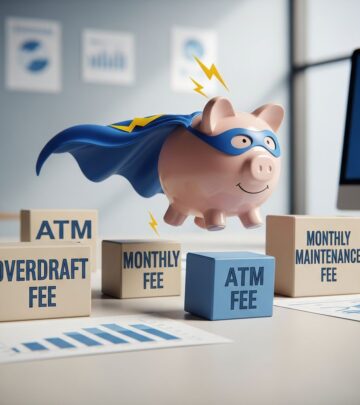
Monthly maintenance, overdrafts ($30.82 avg), out-of-network ATMs ($4.55 total), paper statements, stop payments.
How can I avoid overdraft fees?
Monitor balances monthly, enable alerts, opt out of overdraft coverage, keep buffers.
Why do I keep fighting with my bank?
Likely sloppy habits like rare balancing (46% of chronic overdrafters); 86% face frequent disputes.
Are small banks cheaper?
Often yes for ATMs ($3.82 vs $4.88), but check overdrafts ($31.86).
What’s the easiest way to improve banking habits?
Balance monthly (81% do, avoiding 72% disputes), use apps for real-time tracking.
References
- Discord with Banks Linked to Consumers’ Shaky Financial Habits — Fox Business. 2013-approx (referenced in 2026 contexts). https://www.foxbusiness.com/features/discord-with-banks-linked-to-consumers-shaky-financial-habits
- Shaky Banking Habits Survey — MoneyRates.com. Accessed 2026. https://www.moneyrates.com/research-center/shaky-banking-habits.htm
- Checking Account Fees Survey 2026: Analyzing Averages and Trends — MoneyRates.com. 2026. https://www.moneyrates.com/research-center/bank-fees/
- Best Checking Accounts for College Students 2026 — MoneyRates.com. 2026. https://www.moneyrates.com/research-center/best-checking-accounts-for-college-students/
- Why You Need a Checking Account — MoneyRates.com. Accessed 2026. https://www.moneyrates.com/personal-finance/why-you-need-a-checking-account.htm
Similar Articles








Read full bio of medha deb